About Rongbuk Monastery
Rongbuk Monastery, perched on the edge of the Rongbuk Glacier in Tingri County, Shigatse Prefecture, sits at an absolutely staggering altitude of 5,154 meters. Standing uncompromisingly in one of the most extreme, oxy...
Rongbuk Monastery, perched on the edge of the Rongbuk Glacier in Tingri County, Shigatse Prefecture, sits at an absolutely staggering altitude of 5,154 meters. Standing uncompromisingly in one of the most extreme, oxygen-deprived, and frozen environments on Earth, it is universally recognized by the Guinness World Records as the highest monastery in the entire world. More than just a sanctuary for extreme ascetic devotion, it serves as the ultimate, closest spiritual outpost to the “Roof of the World”—Mount Everest.
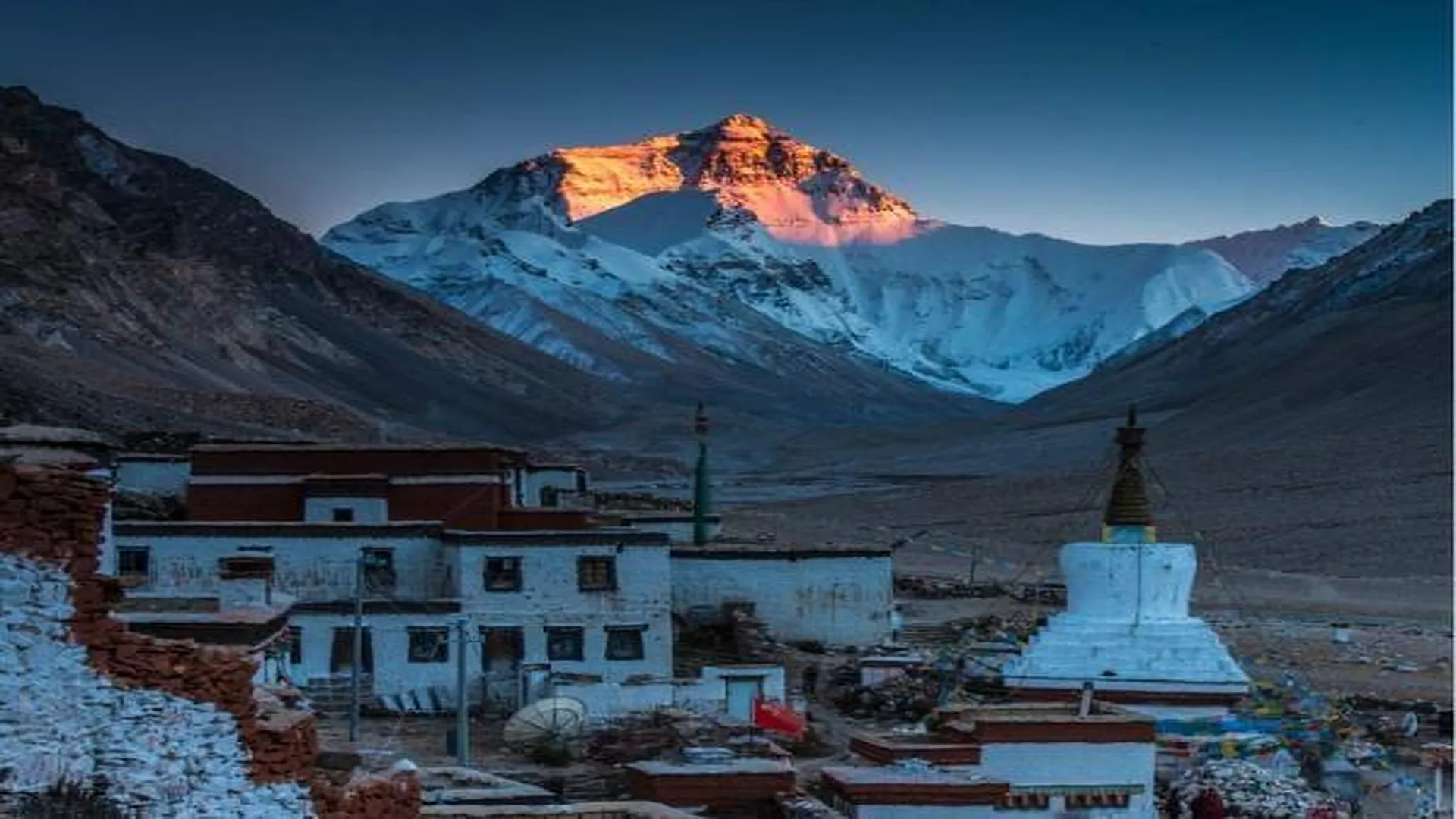
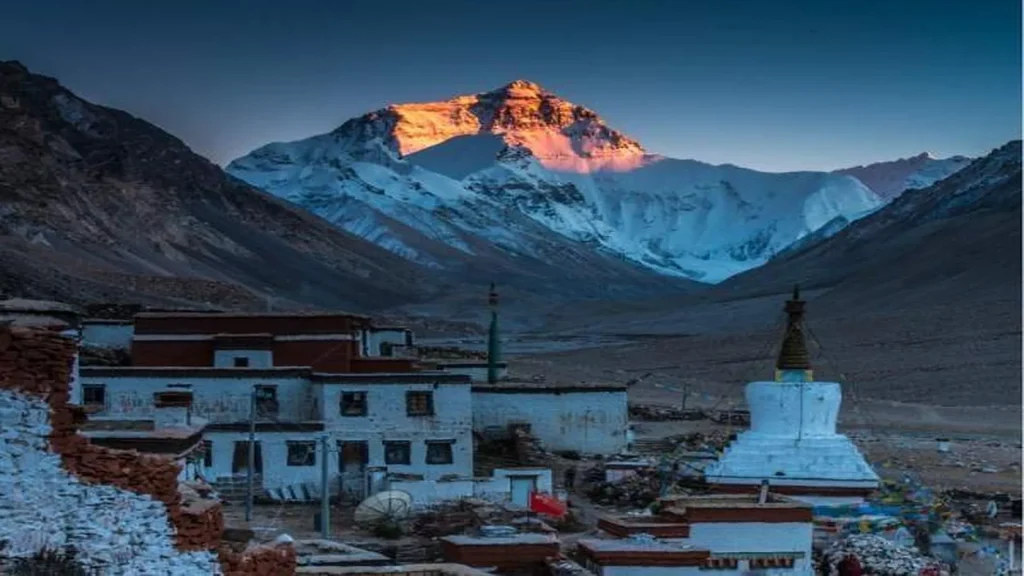
Visually, Rongbuk provides the single most iconic and breathtaking photographic composition of Everest on the planet. Directly in front of the monastery stands a striking, traditional white Tibetan stupa (chorten). When viewed from the correct angle, this brilliant white stupa perfectly frames the gargantuan, menacing, pyramid-like North Face of Mount Everest towering in the immediate background. This specific juxtaposition of human faith and the overwhelming raw power of nature is legendary, featured in almost every major documentary and postcard depicting the Tibetan side of the mountain.
Belonging to the Nyingma sect (Red Hat sect) of Tibetan Buddhism, Rongbuk holds a highly unusual characteristic: it is a mixed monastery where both monks and nuns reside in the same complex (though in separate quarters). The atmosphere inside the small, dim halls, heavy with the scent of yak butter lamps and burning juniper, is profoundly austere, silent, and deeply meditative, perfectly reflecting the harsh grandeur of the surrounding Himalayas.
↺ History
Rongbuk Monastery was officially founded in 1902 by the highly venerated Nyingma Lama Ngawang Tenzin Norbu. However, the exact site and the surrounding bleak cliff faces had already been utilized by ascetic hermits and meditating monks in small cave dwellings for over 400 years prior to the temple’s construction. They sought out this terrifyingly isolated “death zone” specifically to detach themselves entirely from the material world.
During the 1920s and 1930s, when the very first legendary British mountaineering expeditions (such as those involving George Mallory) began their daring, often fatal attempts to summit Everest from the northern Tibetan side, Rongbuk naturally became a vital logistical and spiritual checkpoint. The founding abbot of the monastery frequently met with these early foreign explorers, offering them blessings, performing protection rituals against the mountain’s wrath, and occasionally providing crucial food supplies. This established a deep, historic connection between the monastery and the global mountaineering community that endures to this day.
Like many deeply spiritual sites, Rongbuk suffered catastrophic destruction during the turbulent periods of the 1960s and 1970s, reduced largely to ruins for over a decade. Dedicated, painstaking restoration efforts finally began in the 1980s under incredibly harsh conditions. Today, while it has regained its function as a place of worship, its population of monastics remains very small, living lives of unimaginable ascetic dedication against the relentless freezing winds.
Recommended Tours
View All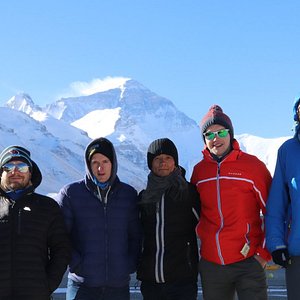
3 Days / 2 Nights ★ 4.8
3 Days Everest Base Camp Tour from Lhasa
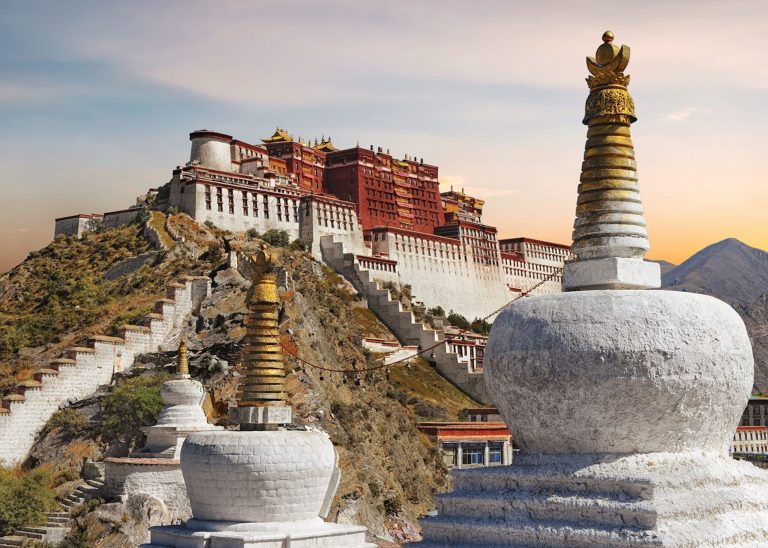
6 Days / 5 Nights ★ 4.8
6 Days Tibet Panorama Tour with Nyingchi, Everest & Namtso
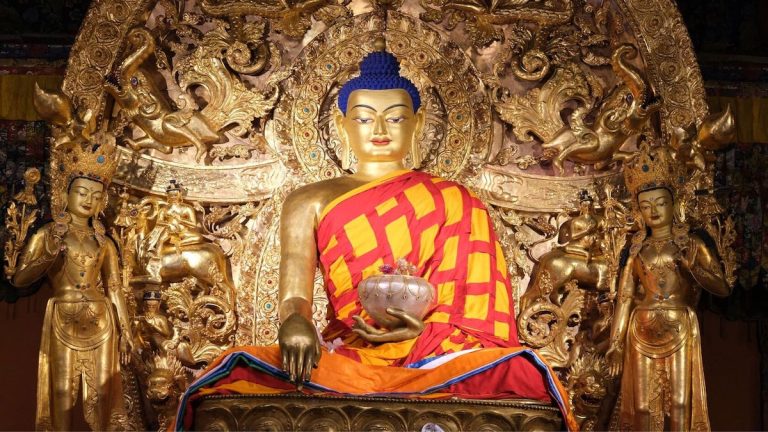
3 Days / 2 Nights ★ 4.8
3 Days Nyingchi Grand Canyon & Basum Tso Tour
How To Get There
The geographic location and transportation route of Rongbuk Monastery are practically identical to that of Mount Everest Base Camp. It lies at the very end of the dedicated Everest road in Tingri County, acting as the final, ultimate destination that modern tourists are permitted to reach.
From the capital city of Lhasa, travelers embark on a grueling, multi-day overland expedition, passing through Shigatse and the Tingri county seat. Upon entering the Everest National Nature Reserve, vehicles must conquer the dizzying, seemingly endless switchbacks of the “108 Turns” and cross the magnificent 5,210-meter Gawula Pass.
Due to extremely strict environmental protection policies implemented by the Chinese government to save the fragile glacial ecosystem, private cars and standard tour buses are absolutely banned from driving the final stretch. At the tourist center (about 20 kilometers away), all visitors are unconditionally required to board officially designated, green electric eco-buses. The final drop-off point for these eco-buses is located immediately adjacent to Rongbuk Monastery.
ⓘ Travel Tips
- The Ultimate Photographic Framing: The classic, world-famous shot of Mount Everest is taken from the small viewing mound right next to Rongbuk's white stupa. To capture the mountain bathed in the golden "Alpenglow" or to avoid the massive midday tourist crowds, try to time your visit for early morning sunrise or late evening sunset. Be warned: during the summer monsoon season (July-August), the mountain is very frequently entirely swallowed by thick, impenetrable clouds, making Spring (April-May) and Autumn (September-October) the optimal viewing windows.
- Extreme Altitude and AMS Risk: Sitting at 5,154 meters, the air here contains only about half the oxygen found at sea level. Moving at anything faster than an agonizingly slow shuffle will instantly result in heavy panting and dizziness. Severe headaches, nausea, and sleeplessness (symptoms of Acute Mountain Sickness) are extremely common here. Portable oxygen canisters or machines are an absolute, non-negotiable necessity for the vast majority of visitors. Do not jump or overexert yourself for a photo.
- Respect the Ascetic Environment: Visitors are permitted to enter the monastery's main hall for a small entrance fee (usually around 35 CNY). Inside, the space is cramped, icy cold, and incredibly ancient. Please remember that this is an active, intensely sacred place of ascetic worship, not merely a tourist attraction. Maintain absolute silence, walk clockwise, remove your hat and sunglasses, and strictly obey any signs prohibiting flash photography, especially concerning the monks and nuns in deep prayer.
Enjoy Visa-Free Travel To China & Tibet
China has expanded visa-free entry policies for more countries. Our team can help confirm your route, permits, and documents before departure.
Gallery