About Gawula Pass
Gawula Pass, commanding the sky at a breathtaking elevation of 5,210 meters in Tingri County, reigns supreme as the ultimate, unparalleled alpine observation deck on the planet. Its global fame rests on a single, mind...
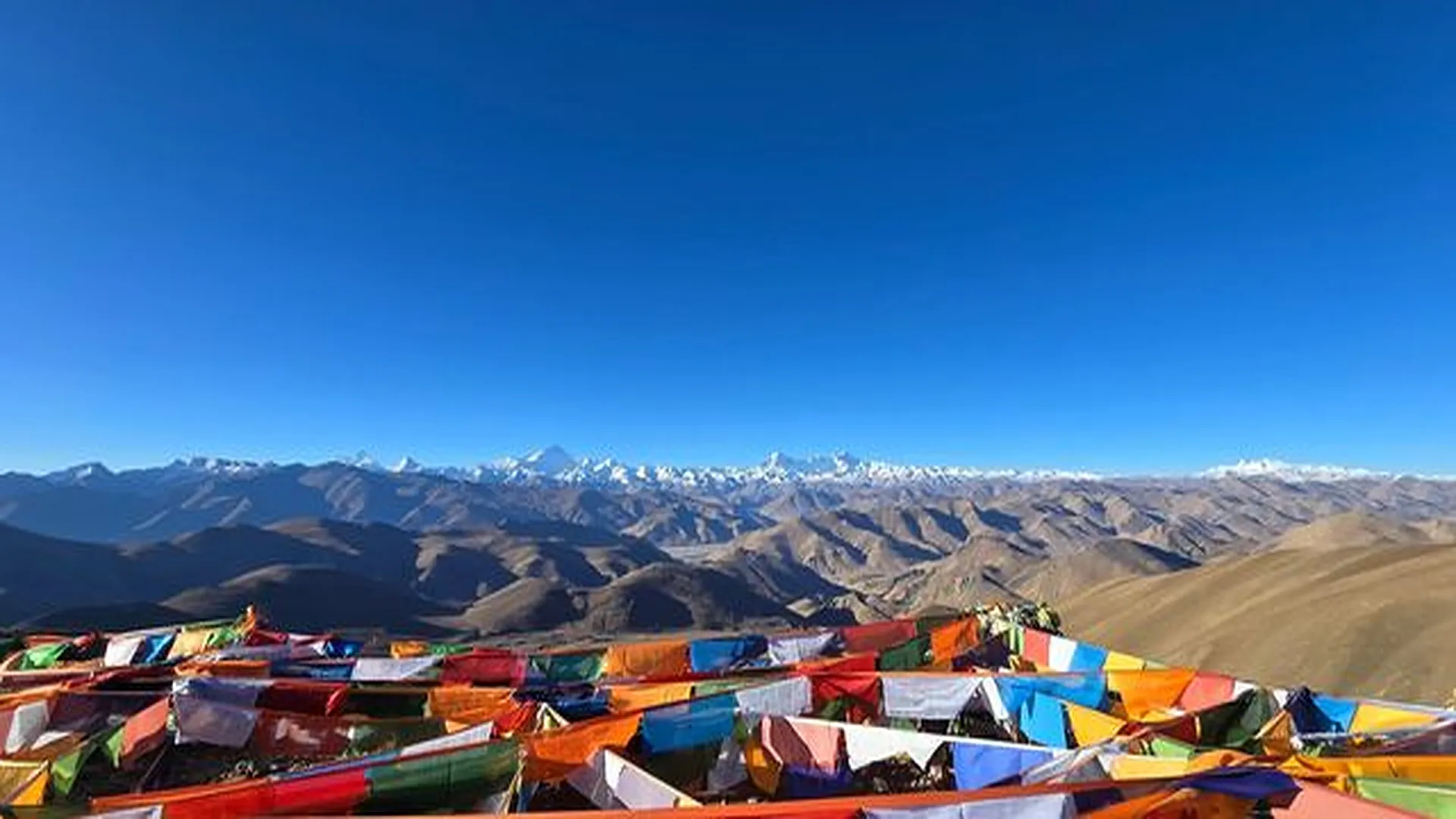
Gawula Pass, commanding the sky at a breathtaking elevation of 5,210 meters in Tingri County, reigns supreme as the ultimate, unparalleled alpine observation deck on the planet. Its global fame rests on a single, mind-boggling geographical fact: it is the only vantage point on Earth where you can simultaneously behold five majestic Himalayan peaks soaring above 8,000 meters arrayed across the horizon in a single panoramic sweep.
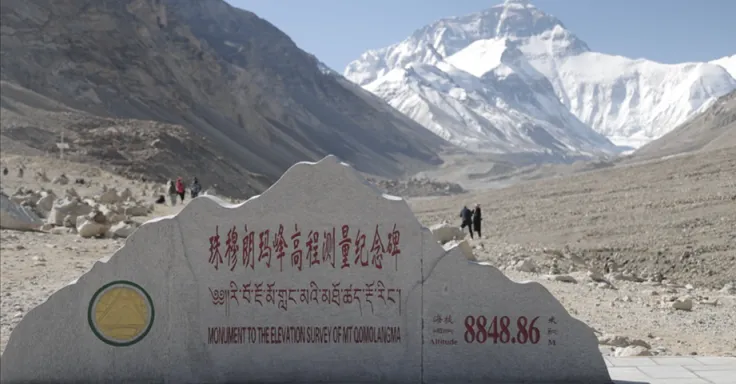
Looking out from the sprawling, prayer-flag-draped saddle, the visual impact is nothing short of paralyzing. Stretching from east to west, the gargantuan “wall of snow” cutting into the deep blue Tibetan sky consists of Makalu (8,463m), Lhotse (8,516m), the undisputed king Mount Everest/Qomolangma (8,848.86m), Cho Oyu (8,201m), and Shishapangma (8,027m). Being simultaneously stared down by the five highest geological miracles on Earth delivers a spiritual and visual shock that simply defies human language.
Beyond the paralyzing mountain panorama, Gawula Pass offers another jaw-dropping visual spectacle: looking directly down into the valley reveals the infamous “Zhufeng (Everest) 108 Turns.” This wildly zigzagging, meticulously paved mountain road repeatedly folds back on itself as it plunges down the barren, brown mountainside. Resembling a colossal grey snake carved into the desolate earth, it forms a magnificent tableau where nature’s raw extremity perfectly intersects with modern human engineering.
↺ History
For centuries, long before the era of modern asphalt, the Gawula Pass presented a terrifying, often deadly geographical barrier. For the resilient local Tibetan nomads, hardy trade caravans navigating between the Tsang region and the Nepalese border, and intrepid early European mountaineers seeking the North Face of Everest, crossing this pass was a desperate gamble against fatal weather and crippling hypoxia.
Historically, the path over this imposing saddle consisted of nothing more than treacherous, rutted dirt and gravel tracks. These primitive paths were chronically washed away by sudden summer landslides or utterly buried beneath meters of impenetrable snow during the brutal Himalayan winters, regularly cutting off all access to the Everest region for months at a time.
The massive, incredibly ambitious infrastructure project to formally pave the tortuous “108 turns” up to and down from the pass is a relatively recent marvel of modern Chinese engineering. Overcoming extreme altitude, lethal cold, and highly unstable geology, the completion of this black-top highway transformed a highly dangerous, grueling off-road ordeal into a smooth (albeit dizzyingly steep) drive. This engineering triumph decisively conquered the mountain barrier, permanently opening unparalleled vistas of the Himalayas to ordinary travelers and linking Everest Base Camp to the modern world.
Recommended Tours
View All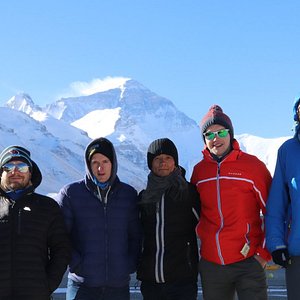
3 Days / 2 Nights ★ 4.8
3 Days Everest Base Camp Tour from Lhasa
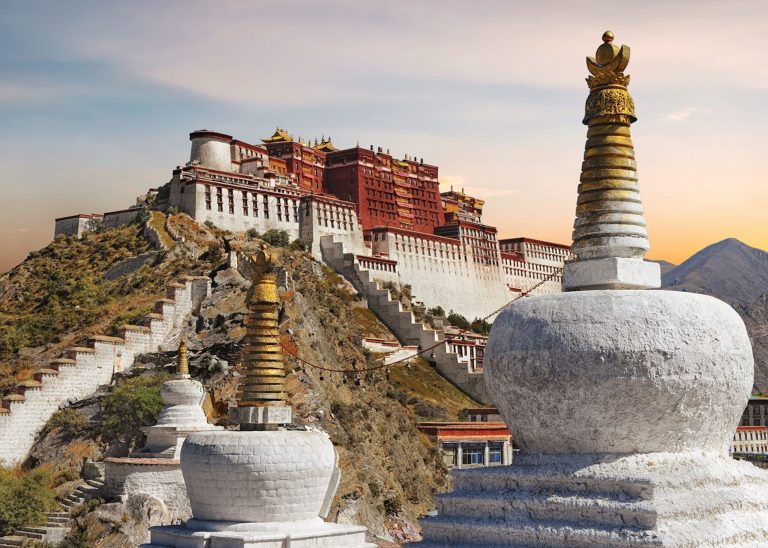
6 Days / 5 Nights ★ 4.8
6 Days Tibet Panorama Tour with Nyingchi, Everest & Namtso
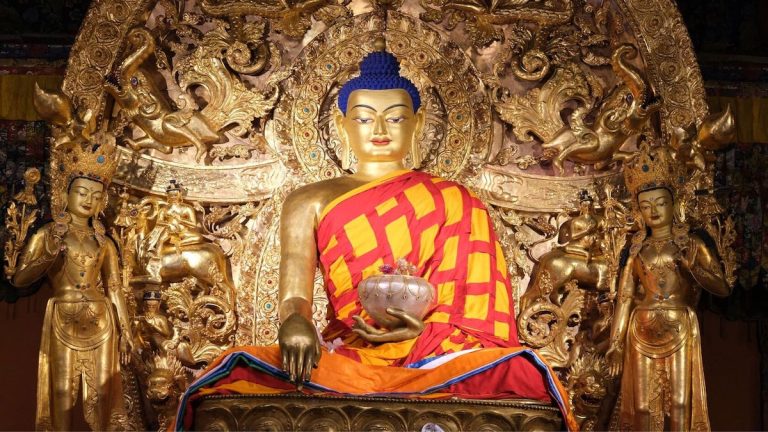
3 Days / 2 Nights ★ 4.8
3 Days Nyingchi Grand Canyon & Basum Tso Tour
How To Get There
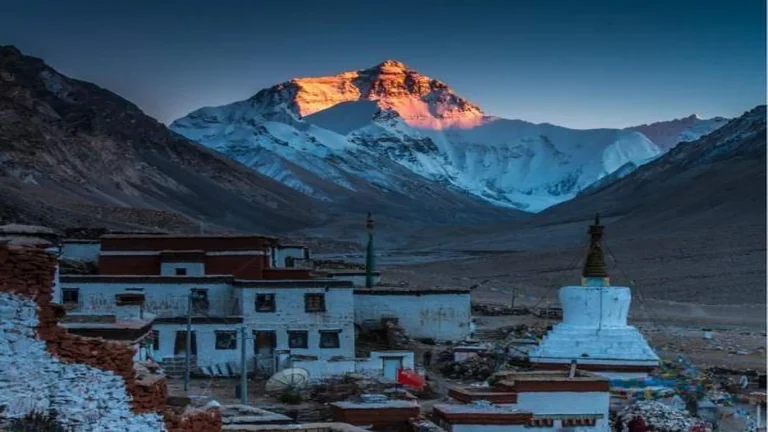
Gawula Pass is situated deep within Tingri County, acting as the absolute, unavoidable geographical gateway for every single tourist, mountaineer, and scientist traveling toward Mount Everest Base Camp and Rongbuk Monastery.
The journey to the pass generally begins in the city of Shigatse. From there, travelers drive westward along the National Highway 318 (G318) for approximately 5 to 6 hours. Upon reaching the Baiba border checkpoint in Tingri and having their Border Defense Permits verified, vehicles officially exit the G318 and turn south into the Everest National Nature Reserve. Immediately after passing the reserve’s entrance gate, the relentless, aggressive serpentine climb toward the 5,210-meter summit officially begins.
Aggressive Switchback Driving Warning: The ascent and subsequent descent involve navigating dozens upon dozens of incredibly tight, 180-degree hairpin turns layered densely on top of one another. This presents a massive test for both the vehicle’s braking system and the driver’s experience handling sheer mountain drop-offs. For passengers unaccustomed to severe mountain driving, the relentless lateral G-forces commonly induce severe motion sickness and vomiting; taking anti-nausea medication well in advance is highly recommended.
ⓘ Travel Tips
- The "Luck of the Draw" Viewing Window: Witnessing the five 8,000-meter giants is entirely dictated by atmospheric luck. To maximize your chances of a crystal-clear, deep-blue sky unobstructed by clouds, Spring (April-May) and Autumn (September-October) are the golden seasons. If you plan your visit during the summer monsoon (July-August), the "snow wall" is statistically overwhelmingly likely to be completely suffocated by dense, impenetrable monsoon clouds, rendering the peaks invisible.
- Bone-Shattering Wind and Lethal Hypoxia: Standing entirely exposed on a barren saddle at 5,210 meters, Gawula Pass functions as a brutal natural wind tunnel. The gale-force winds scream across the ridge with staggering, physical intensity. Even under scorching midday UV rays, the wind-chill factor drops perceived temperatures to freezing. Before opening your car door, you absolutely must armor yourself with heavy windproof hardshells, thick thermal layers, and tightly secured windproof hats. Furthermore, with oxygen levels at a mere 50% of sea level, any sudden movements, running, or excited shouting will trigger immediate, severe altitude sickness. Move as slowly as a sloth.
- Photography Essentials: The viewing platform is vast and heavily adorned with layers of vibrant Tibetan prayer flags. While wide-angle lenses capture the sheer scale of the horizon and the "108 turns" below, if you want detailed, breathtaking shots of the icy ridges and the iconic summit plume blowing off Everest, a high-quality telephoto lens (at least 200mm, preferably 400mm) is totally indispensable .
Enjoy Visa-Free Travel To China & Tibet
China has expanded visa-free entry policies for more countries. Our team can help confirm your route, permits, and documents before departure.
Gallery