About Mount Everest Base Camp
Mount Everest Base Camp (frequently abbreviated as EBC), located in Tingri County within the Shigatse Prefecture of Tibet, sits at a breathtaking, oxygen-deprived altitude of 5,200 meters. For countless adventurers, t...
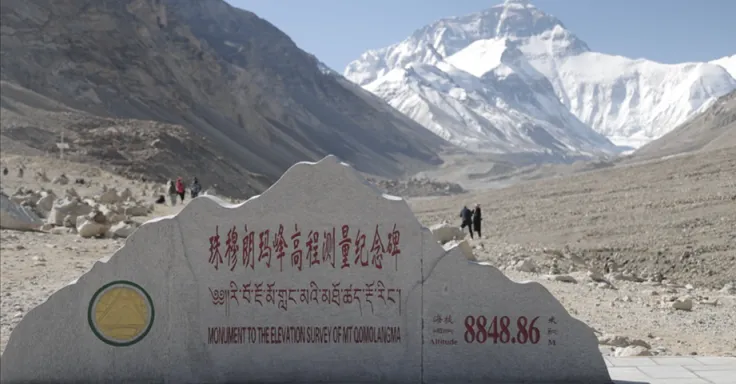
Mount Everest Base Camp (frequently abbreviated as EBC), located in Tingri County within the Shigatse Prefecture of Tibet, sits at a breathtaking, oxygen-deprived altitude of 5,200 meters. For countless adventurers, trekkers, and dreamers around the globe, this is the ultimate geographical pilgrimage—the chance to stand directly at the foot of the “Roof of the World” and gaze up at the colossal, 8,848.86-meter peak of Mount Everest (known as Qomolangma in Tibetan).
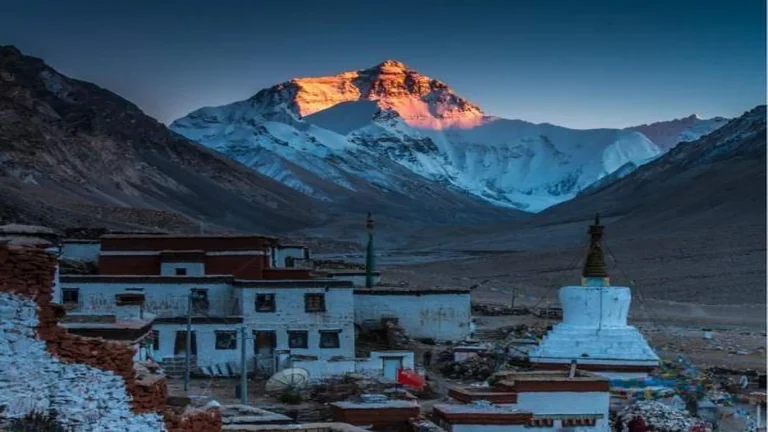
The tourist base camp area is a stark, rugged, and profoundly mesmerizing landscape. It features three core elements: the iconic Everest elevation monument (an absolute must-have photo op for every visitor), Rongbuk Monastery (holding the title of the highest monastery in the world), and a seasonal “tent city” where visitors can spend the night. The terrain here is entirely devoid of vegetation, defined instead by endless expanses of glacial moraine, howling winds, and an overwhelming sense of nature’s raw, uncompromising power.
When the skies clear, the gargantuan, pyramid-like North Face of Everest stands completely unveiled right before you, delivering a visual and spiritual shock that simply defies description. The experiences here are life-altering: witnessing the legendary “Alpenglow” at sunset, when the peak transforms into a burning triangle of brilliant gold and crimson, or stepping out of a frigid tent at midnight to see the Milky Way blazing across the heavens, seemingly close enough to touch above the highest mountain on Earth.
↺ History
The history of Everest Base Camp is deeply intertwined with the saga of human exploration. It was originally established as the primary staging area and logistical lifeline for professional mountaineering expeditions attempting to summit Everest via the phenomenally difficult and perilous North Col route (the Tibetan side). As the infrastructure in Tibet gradually improved, the area evolved into an accessible—albeit still physically extreme—tourist destination, allowing ordinary people to safely approach the world’s highest peak without needing professional climbing gear.
Situated just a few kilometers away from the actual climbers’ camp is Rongbuk Monastery. Founded in 1902 by the venerated Nyingma Lama Ngawang Tenzin Norbu, it sits at 5,154 meters. In this extreme “death zone,” it initially served as an ascetic spiritual sanctuary for local nomadic communities and deeply devoted monks. As mountaineering gained popularity in the 20th century, Rongbuk Monastery naturally became an essential spiritual checkpoint, where mountaineers from every nation come to seek blessings and divine protection from the mountain gods before embarking on their potentially fatal ascents.
In recent years, the Chinese government has enacted ironclad environmental protection policies to safeguard Everest’s incredibly fragile alpine ecosystem. The boundary for ordinary tourists was permanently moved back to the vicinity of Rongbuk Monastery. Furthermore, all private vehicles and standard tour buses are now strictly banned from entering the final stretch. Visitors are unconditionally required to transfer to designated, zero-emission green eco-buses to complete the last 20 kilometers, ensuring the pristine purity of the sacred mountain is preserved for future generations.
Recommended Tours
View All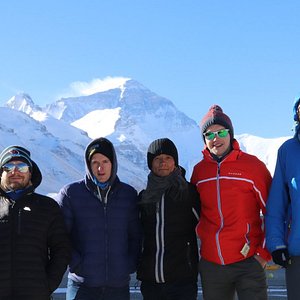
3 Days / 2 Nights ★ 4.8
3 Days Everest Base Camp Tour from Lhasa
6 Days / 5 Nights ★ 4.8
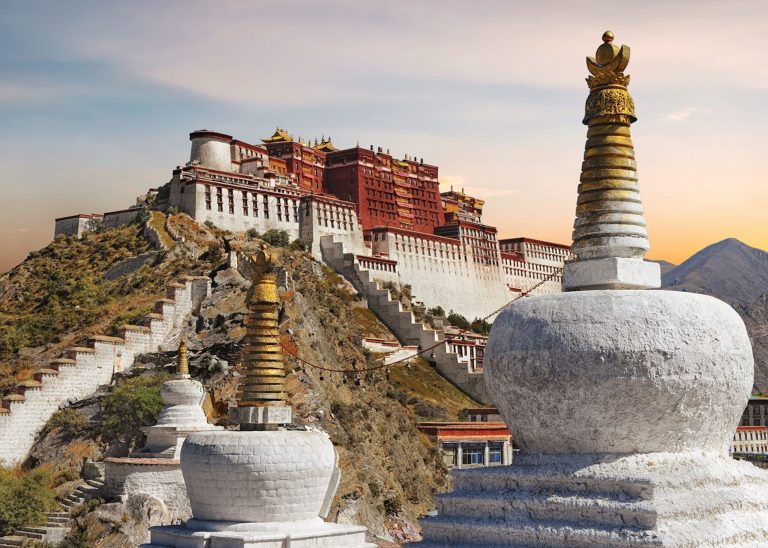
6 Days Tibet Panorama Tour with Nyingchi, Everest & Namtso
3 Days / 2 Nights ★ 4.8
3 Days Nyingchi Grand Canyon & Basum Tso Tour
How To Get There
Mount Everest Base Camp is located deep within the Himalayas, over 600 kilometers away from the capital city of Lhasa. The overland expedition to reach it is long, exhausting, and a profound test of endurance. The vast majority of travelers embark on multi-day itineraries starting from Lhasa, typically overnighting in Shigatse before spending an entire day driving to Tingri County and finally the base camp.
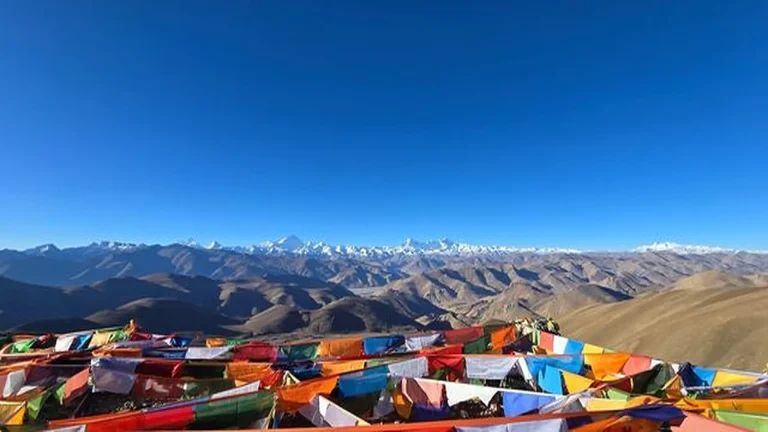
After leaving the main National Highway 318 (G318) and entering the Everest National Nature Reserve, all vehicles must conquer the legendary Gawula Pass (elevation 5,210 meters). Gawula Pass is universally celebrated as the greatest panoramic viewpoint on Earth, being the only place where one can simultaneously view five Himalayan peaks towering over 8,000 meters. Following the pass, drivers descend the infamous “108 Turns” of the Zhufeng (Everest) Road—a dizzying, flawlessly paved, but relentlessly zigzagging mountain road that drops dramatically into the valley.
As part of the strict ecological regulations, private cars and tour buses cannot drive all the way to the camp. Approximately 20 kilometers from the base camp, all visitors must disembark at the park’s tourist center, purchase bus tickets, and board the mandatory green electric eco-buses. These buses navigate the final, rugged mountain curves to safely deliver passengers to Rongbuk Monastery and the tent camp area.
ⓘ Travel Tips
- Hellish Altitude Challenge: At 5,200 meters, the oxygen concentration is merely half of that at sea level. Experiencing severe, pounding headaches, extreme nausea, and total sleeplessness is the absolute norm at EBC. You must carry ample supplemental oxygen (portable canisters or a heavy-duty oxygen machine). Every movement must be executed in ultra-slow motion. If you already experience severe altitude sickness symptoms in Shigatse or Tingri, you must decisively cancel your plan to visit or sleep at EBC to prevent life-threatening conditions like HAPE or HACE.
- Lethal Cold and Wind: Regardless of the season, EBC is a zone of extreme cold. Even in the peak of July or August, nighttime temperatures effortlessly plummet below freezing, and the glacial winds are bone-chilling. You must wear the absolute thickest winter gear available (expedition-level down jackets, heavy hardshells, thermal pants, gloves, and windproof hats). While the communal tent guesthouses provide thick blankets and stove heating (usually fueled by yak dung), the living and sleeping conditions remain extremely basic, rugged, and there are no showering facilities.
- The "Luck of the Draw" Viewing Window: Seeing Everest clearly is entirely dependent on weather and luck. Spring (April-May) and Autumn (September-October) offer the highest atmospheric clarity and are the absolute best times to witness the peak unobstructed, catch the sunset alpenglow, and photograph the Milky Way. During the summer monsoon season (July-August), Everest is overwhelmingly likely to be completely suffocated by thick clouds, rain, or snow for days on end, meaning you might travel all the way there and never see the mountain at all.
- Border Defense Permit is Mandatory: Because Everest sits directly on the international border between China and Nepal, every single visitor must possess a valid Border Defense Permit (Border Pass) explicitly listing "Tingri County, Shigatse Region." Without this paperwork, heavily armed border checkpoints along the highway will absolutely deny you entry.
Enjoy Visa-Free Travel To China & Tibet
China has expanded visa-free entry policies for more countries. Our team can help confirm your route, permits, and documents before departure.
Gallery