About Lhagyari Palace
Lhagyari Palace, located in Qusum County within the Shannan region of Tibet, is the former residence of the descendants of the Tubo Kings (the Lhagyari lineage). It stands as one of the most complete and historically ...
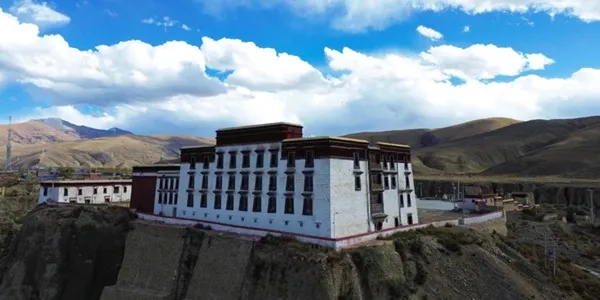
Lhagyari Palace, located in Qusum County within the Shannan region of Tibet, is the former residence of the descendants of the Tubo Kings (the Lhagyari lineage). It stands as one of the most complete and historically significant feudal lord manor complexes in Tibet and even throughout China. Perched grandly on a high terrace overlooking the entire river valley, the palace boasts a unique historical status and architectural style that distinguish it among Tibet’s numerous ancient sites.
The palace complex is vast and consists of three main sections: “Tashi Chodzong” (Auspicious Dharma Tower) built in the 13th century, “Ganden Lhatse” (Tushita God Mountain) built in the 15th century, and the “Summer Palace” (New Palace) constructed in the 20th century. These buildings are thoughtfully arranged, seamlessly blending the architectural features of traditional Tibetan palaces, dzongs (fortresses), and aristocratic manors. The towering stone walls, intricate wooden structures, and remnants of exquisite murals all serve as testaments to the former Lhagyari royal family’s prominent status and immense wealth.
For travelers interested in historical architecture and in-depth exploration, Lhagyari Palace offers a rare perspective into the ruling models and aristocratic lifestyles during the period of local fragmentation following the collapse of the Tubo Dynasty, right up until the peaceful liberation of Tibet. Wandering between these ancient red and white walls, one can almost hear the echoes of history resound.
↺ History
The lineage of the Lhagyari Kings can be traced back to Langdarma, the last emperor of the Tubo Dynasty. In the mid-9th century, following the collapse of the Tubo Empire, Tibet descended into a prolonged period of fragmentation and warfare. Langdarma’s descendants migrated through the Shannan region and eventually established a local regime around Qusum (historically known as Lhagyari). As direct descendants of the Tubo royal family, the Lhagyari Kings enjoyed immense political and religious prestige throughout Tibetan history. Successive Dalai Lamas and the local government treated them with great reverence and granted them a high degree of autonomy.
The construction of the Lhagyari Palace was a long, ongoing process. The earliest structure, “Tashi Chodzong,” was begun in the 13th century as a fortress-like defensive building. As the family’s power consolidated and their wealth grew, “Ganden Lhatse” was expanded in the 15th century to serve as the primary residence and administrative center. Finally, in the mid-20th century, successive Lhagyari Kings built the “Summer Palace” (or South Palace) on the southern side of the complex, featuring a more modern style and better living facilities. These three structures from different eras vividly record the evolution of the Lhagyari lineage’s near-millennium rule in Qusum.
Following Tibet’s democratic reform, the Lhagyari Palace became state property. Due to long-term exposure to the elements and historical factors, parts of the buildings suffered damage. In recent years, the government has invested significant funds into emergency preservation and restoration of the palace, essentially restoring its historical appearance. In 1996, Lhagyari Palace was designated as a cultural heritage site of the Tibet Autonomous Region, and in 2001, it was elevated to a National Key Cultural Heritage Site.
Recommended Tours
View All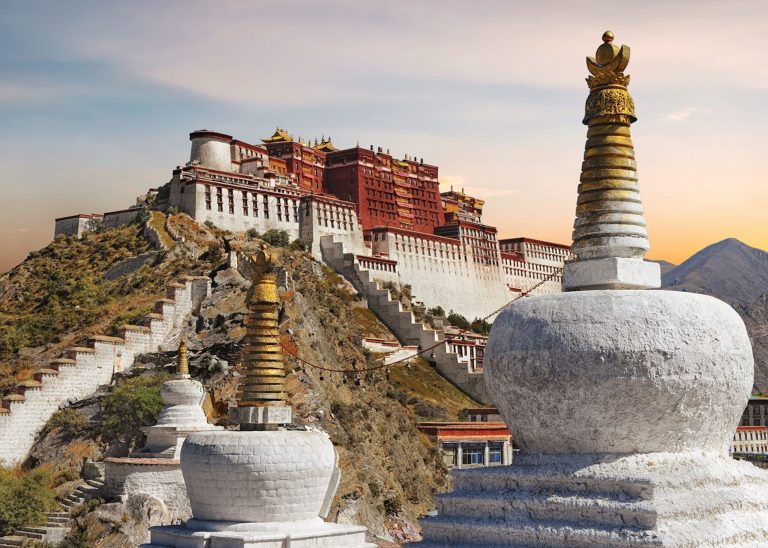
6 Days / 5 Nights ★ 4.8
6 Days Tibet Panorama Tour with Nyingchi, Everest & Namtso
3 Days / 2 Nights ★ 4.8
3 Days Nyingchi Grand Canyon & Basum Tso Tour

3 Days / 2 Nights ★ 4.8
3 Days Everest Base Camp Tour from Lhasa
How To Get There
Lhagyari Palace is situated on a hillside in the southern part of Qusum County town, Shannan City, Tibet Autonomous Region. Qusum County is located about 80 kilometers from Tsetang, the administrative center of Shannan, and approximately 240 kilometers from the capital city of Lhasa.
The primary modes of transportation to Lhagyari Palace are chartered vehicles or self-driving. Starting from Lhasa, one can travel via the expressway to Tsetang in Shannan, then turn onto the provincial highway toward Qusum. The entire journey takes nearly 4 hours. If departing from Tsetang, the drive follows the river valley of a Yarlung Tsangpo tributary with good road conditions, taking about 1.5 to 2 hours to reach Qusum county town. The county town is small, and upon arrival, the palace on the high terrace is easily accessible on foot.
Additionally, long-distance buses heading to Qusum County are available at the Shannan (Tsetang) Passenger Transport Station, with tickets costing around ¥30-40. Once in the county town, visitors can walk to the scenic spot. Combining a visit to Lhagyari Palace with other historical and cultural sites in Shannan, such as Yumbulagang Palace and the Tombs of the Tibetan Kings, creates an excellent itinerary for exploring the deep history of the region.
ⓘ Travel Tips
- Best Time to Visit: The golden season to visit Shannan is from May to October each year. The climate is warm, precipitation is moderate, and the surrounding vegetation is vibrant. Autumn (September to October), with its striking contrast between the deep blue sky and the ancient palace, is particularly ideal for architectural photography.
- Altitude Precautions: Qusum County sits at an altitude of approximately 3,900 meters, higher than both Lhasa and Tsetang. Visitors may experience some degree of altitude sickness. It is advisable to acclimatize in Lhasa or Tsetang for a few days before visiting. Touring the palace involves climbing stairs; please walk slowly and avoid strenuous exercise. Carry water and altitude sickness medication with you.
- Cultural Etiquette & Safety: Lhagyari Palace is a significant historical relic; please strictly adhere to cultural heritage protection rules during your visit. Do not write or carve on the walls, and avoid touching or climbing on fragile ancient architectural components. Do not enter un-restored areas or zones marked as dangerous to prevent accidents. Because the murals inside the palace are ancient, flash photography is typically prohibited to protect these relics—please pay attention to on-site warning signs.
- Visiting Suggestions: A full tour of the palace takes about 1.5 to 2 hours. Because Lhagyari Palace is not as well-known as the Potala Palace or Yumbulagang, it receives fewer tourists, making it highly suitable for travelers who enjoy quiet and in-depth exploration. As there is a lack of comprehensive explanatory facilities, it is strongly recommended to read about the historical background before visiting or hire a guide knowledgeable about local history; without this context, it may be difficult to truly appreciate the profound significance behind the magnificent architecture.
- Practical Details: Although Qusum County town is small, it offers basic dining and accommodation options. If you have enough time, having a simple meal in town is a great way to experience local life. If you are taking a chartered day trip from Tsetang, it's best to set out early to ensure ample time for exploring.
Enjoy Visa-Free Travel To China & Tibet
China has expanded visa-free entry policies for more countries. Our team can help confirm your route, permits, and documents before departure.
Gallery