About Kampala Pass
Kampala Pass (also spelled Gampala Pass), standing at a staggering altitude of 4,790 meters, is arguably the most famous and spectacular natural observation deck in all of Tibet. Acting as a colossal geographical barr...
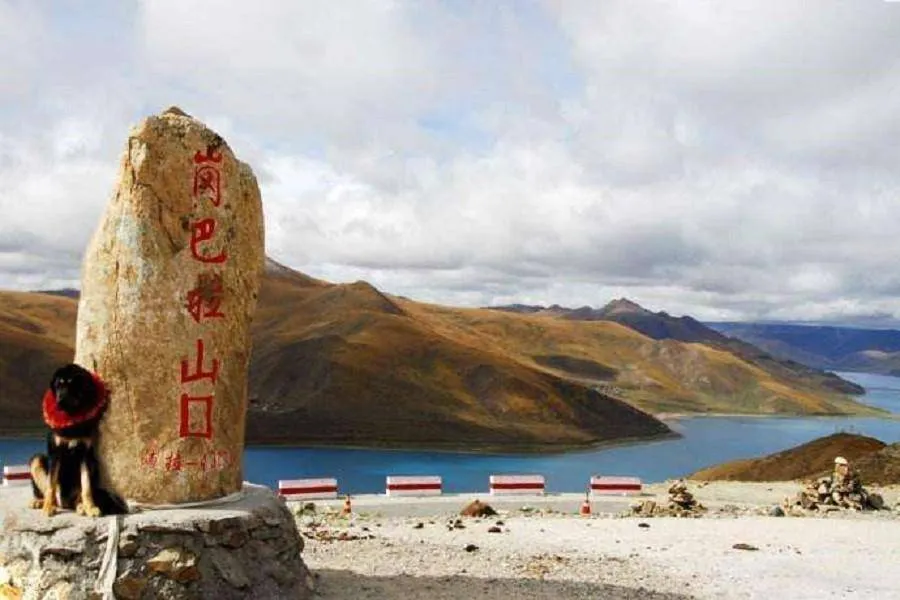
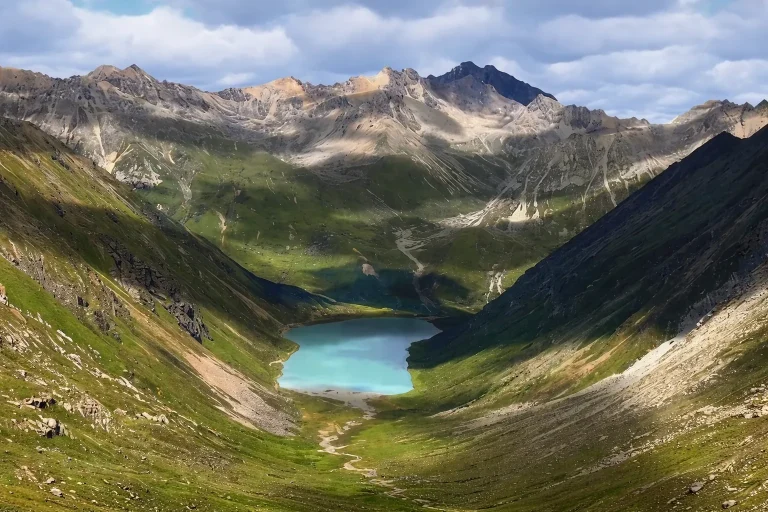
Kampala Pass (also spelled Gampala Pass), standing at a staggering altitude of 4,790 meters, is arguably the most famous and spectacular natural observation deck in all of Tibet. Acting as a colossal geographical barrier, it stretches between the Yarlung Tsangpo River valley and the Yamdrok Lake basin. For the vast majority of tourists, this pass provides the ultimate, picture-perfect vantage point to witness one of Tibet’s three sacred lakes—Yamdrok Lake.
After enduring a dizzying series of hairpin turns up the mountain road, what greets you at the summit is not only the fierce, howling Himalayan wind but an absolute visual shock: against the backdrop of barren, earthy mountains, Yamdrok Lake reveals itself like a gigantic sapphire or a brilliant turquoise necklace left by the gods. The pure, impossibly vivid blue of the water contrasts dramatically with the towering, 7,191-meter-high snow-capped peak of Mount Nojin Kangsang in the distance, forming an unparalleled masterpiece of nature.
The stone monuments and slopes of the pass are densely blanketed with millions of colorful Tibetan prayer flags. Whipped continuously by relentless gale-force winds, these flags snap and roar, tirelessly transmitting the prayers of Tibetan devotees to the sky and the holy lake, creating an intensely powerful and moving religious atmosphere.
↺ History
Before the construction of modern paved highways, Kampala Pass was a terrifying and deadly geographic obstacle. For centuries, it served as a vital chokepoint on the ancient southern Tea Horse Road, connecting Lhasa with the important agricultural and trading hubs of Gyantse and Shigatse. In historical times, merchants, pilgrims, and local nomads had to rely entirely on yaks and their own physical endurance to traverse this towering saddle in the harshest of conditions. Sudden blizzards and extreme wind chills caused many ill-prepared caravans to perish on this pass.
In traditional Tibetan culture, high mountain passes (“La”) are profoundly sacred—they are the dwelling places of mountain deities and the points where the earth reaches closest to the heavens. For millennia, out of profound gratitude for surviving the treacherous crossing, every Tibetan passing through Kampala has practiced the ritual of throwing “Lungta” (wind horse paper printed with prayers) into the air or hanging new prayer flags, shouting “Lha Gyalo!” (Victory to the Gods!) toward the direction of the lake.
This unbroken chain of faith passed down through countless generations is what has created the breathtaking sea of prayer flags that blankets the pass today.
Recommended Tours
View All
6 Days / 5 Nights ★ 4.8
6 Days Tibet Panorama Tour with Nyingchi, Everest & Namtso
3 Days / 2 Nights ★ 4.8
3 Days Nyingchi Grand Canyon & Basum Tso Tour
3 Days / 2 Nights ★ 4.8
3 Days Everest Base Camp Tour from Lhasa
How To Get There
Kampala Pass is located within Nagarze County in the Shannan Prefecture, approximately 100 kilometers southwest of Tibet’s capital, Lhasa. It is an unavoidable and essential high-altitude checkpoint on the classic “Southern Route” for road trips or tour groups heading from Lhasa toward Gyantse, Shigatse, and ultimately Mount Everest Base Camp.
Driving from Lhasa usually takes about 2 to 2.5 hours. The route first follows the Yarlung Tsangpo River southward. After crossing the river via the Qushu Bridge, vehicles immediately begin a dramatic, steep ascent along the famous zigzagging mountain road. This section features countless sharp curves that test the driver’s skill, but as the elevation rapidly increases, the expansive views become increasingly spectacular.
After a brief stop at the Kampala Pass observation deck for photography, the road descends sharply on the other side. A drive of just 20 to 30 minutes brings travelers from the towering 4,790-meter peak down to the shores of Yamdrok Lake at 4,441 meters, allowing for an intimate, zero-distance experience with the holy waters.
ⓘ Travel Tips
- Extreme Wind and Piercing Cold: Kampala Pass acts as a massive natural wind tunnel. Even under the blazing midday sun in July or August, the howling gales cut like knives and can instantly penetrate ordinary clothing. Before stepping out of the vehicle, it is absolutely mandatory to wear a heavy windproof layer (such as a hardshell or down jacket), a wind-resistant hat, and sunglasses. Allowing the freezing wind to directly strike your unprotected head is a guaranteed trigger for immediate and severe altitude sickness and migraines.
- Severe Altitude Sickness Risk: At an elevation approaching 4,800 meters, the oxygen level here is alarmingly low. Upon exiting the vehicle, you will immediately notice a rapid heartbeat and shortness of breath. Do not let the stunning scenery cause you to run, jump, or shout. Your movements must be as slow and deliberate as a sloth. For safety reasons, it is strictly advised to limit your photography stop at this pass to no more than 15 to 20 minutes.
- Photography Etiquette and Scams: The observation deck is always populated by local Tibetans offering beautifully decorated Tibetan mastiffs, baby lambs, or white yaks for tourist photos. This is a wonderful experience, but the unbreakable rule is that you must explicitly agree on the price (usually charged per person or per photo) before taking any pictures. Do not secretly take photos of the locals' animals with your phone, as this will inevitably lead to loud arguments and unnecessary disputes.
Enjoy Visa-Free Travel To China & Tibet
China has expanded visa-free entry policies for more countries. Our team can help confirm your route, permits, and documents before departure.
Gallery