About Yamdrok Lake
Yamdrok Lake, commonly known as Yamdrok Tso, is one of the three largest sacred lakes in Tibet, alongside Namtso and Lake Manasarovar. In Tibetan, "Yamdrok" means "upper pasture," "Yong" roughly translates to "jade," ...
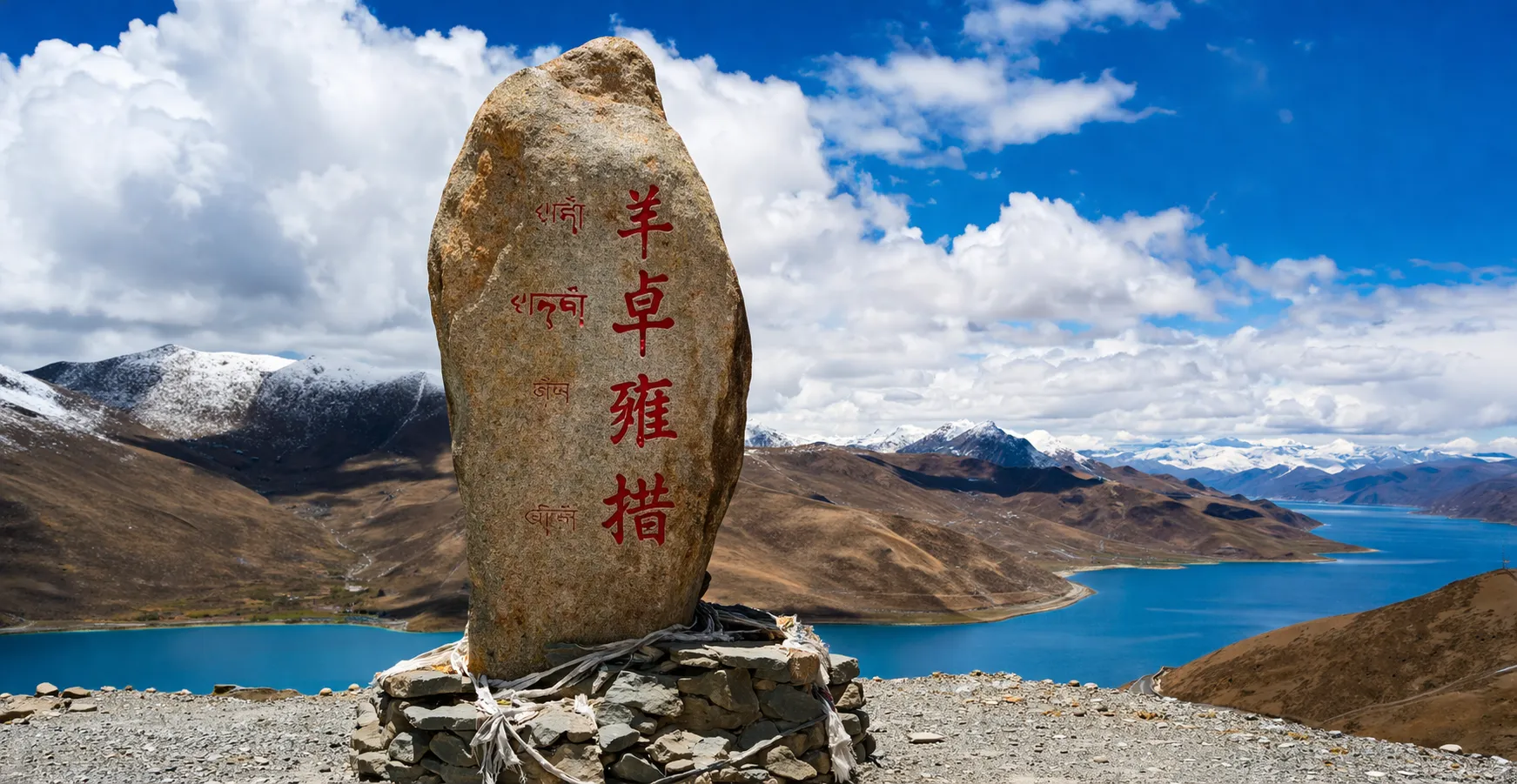
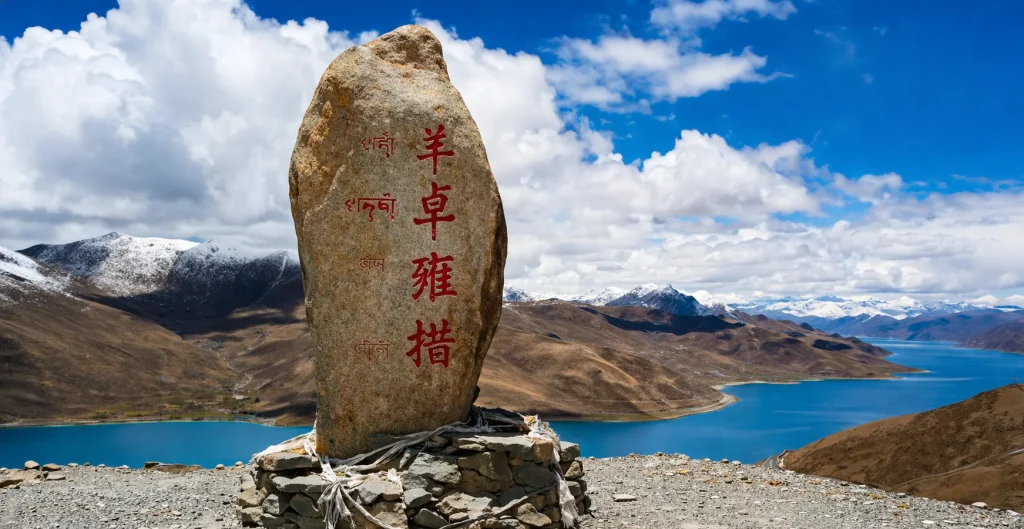
Yamdrok Lake, commonly known as Yamdrok Tso, is one of the three largest sacred lakes in Tibet, alongside Namtso and Lake Manasarovar. In Tibetan, “Yamdrok” means “upper pasture,” “Yong” roughly translates to “jade,” and “Tso” means “lake” — together, it beautifully signifies the “jade lake of the upper pastures.” Unlike the vast, ocean-like expanse of Namtso, the beauty of Yamdrok lies in its winding, irregular shape. Nestled among the majestic Himalayan mountains, its network of waterways resembles the delicate branches of a massive coral reef. From no single vantage point can you see the lake in its entirety.
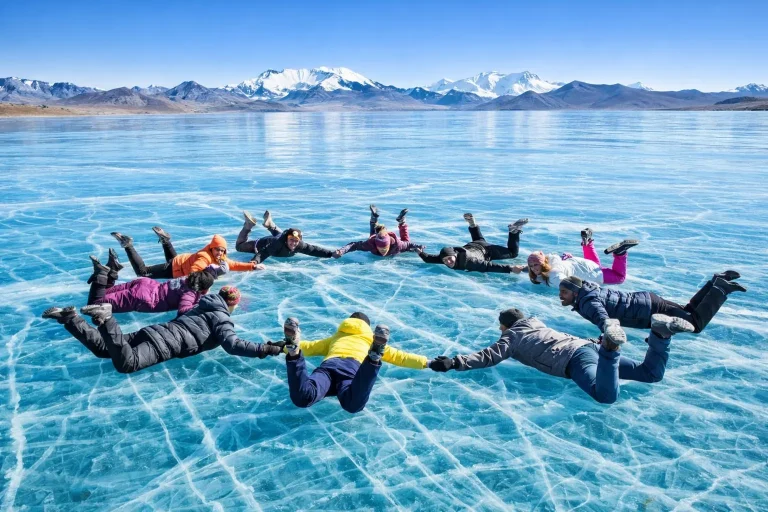
The most astonishing feature of Yamdrok Lake is its unearthly, shifting watercolor. Depending on the angle of sunlight, the movement of clouds, and the changing seasons, the water continuously transforms through an incredibly rich spectrum of blues — from pale turquoise and peacock blue to deep sapphire. Flowing like a necklace of the world’s finest gemstones, the calm surface perfectly reflects the surrounding snow-capped peaks and the brilliant azure sky on clear days. This breathtaking purity has earned it the reputation as “the most beautiful water in the world.”
Beyond its scenic splendor, Yamdrok acts as a vital sanctuary for wildlife. Its several islands serve as natural summer pastures for the local herders’ yaks, and during the winter months, tens of thousands of migratory birds (such as bar-headed geese and ruddy shelducks) flock here, making it a vibrant lake of life.
↺ History
In ancient Tibetan mythology, Yamdrok Lake is believed to be the tears shed by a heavenly fairy, or the incarnation of a goddess herself. The water here is revered as profoundly sacred by the local people. Swimming, washing, or catching fish in the lake is strictly forbidden. Every year, thousands of devoted pilgrims journey over mountains and valleys to circumambulate its shores in prayer, seeking spiritual merit and divine blessings.
Within the religious system of Tibetan Buddhism, Yamdrok Lake holds a desperately crucial role, particularly in the sacred process of identifying the reincarnations of high lamas, such as the Dalai Lama. After the passing of a Grand Lama, senior monks are dispatched to Yamdrok Lake. By devoutly chanting sutras and gazing intently into the lake’s reflective surface, they seek to observe miraculous visions and reflections that provide divine clues and guidance regarding the birthplace of the reincarnated soul.
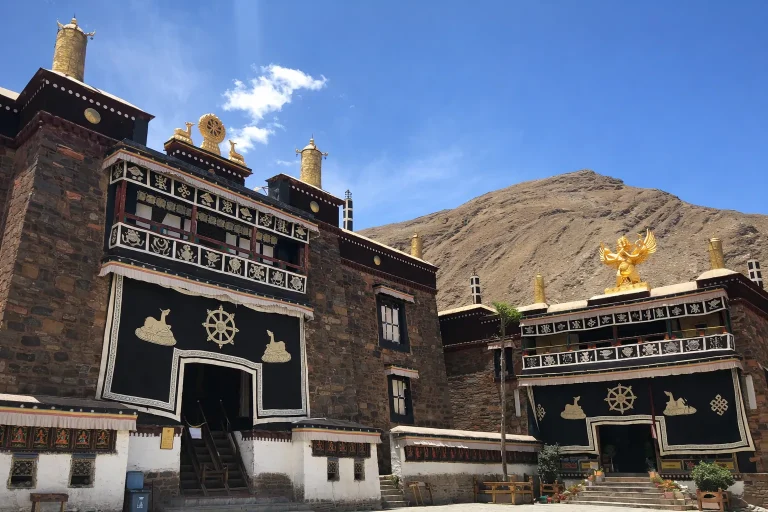
Located on a peninsula near the southern shore of the lake is the unique Samding Monastery. It is highly notable as the only Tibetan monastery presided over by a female reincarnate lama — the Dorje Pakmo. For centuries, Samding Monastery and Yamdrok Lake have accompanied each other day and night, jointly guarding the magic and beauty of this snow-covered plateau.
Recommended Tours
View All
6 Days / 5 Nights ★ 4.8
6 Days Tibet Panorama Tour with Nyingchi, Everest & Namtso
3 Days / 2 Nights ★ 4.8
3 Days Nyingchi Grand Canyon & Basum Tso Tour
3 Days / 2 Nights ★ 4.8
3 Days Everest Base Camp Tour from Lhasa
How To Get There
Yamdrok Lake is located in Nagarze County within the Shannan Prefecture, approximately 100 kilometers southwest of the capital city, Lhasa. Due to its accessibility, it is the classic first major highlight on the popular southern route traveling from Lhasa toward Gyantse, Shigatse, and eventually Mount Everest.
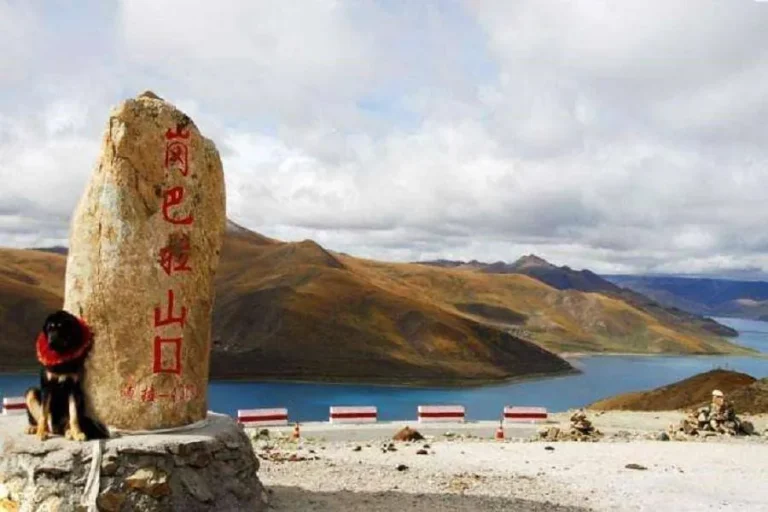
The most common way to visit Yamdrok Lake is by chartering a vehicle, joining a carpool, or participating in a local tour group departing from Lhasa. The journey follows the Yarlung Tsangpo River southwest before beginning a steep, winding ascent up the mountain roads. After driving for about 2 to 2.5 hours, vehicles reach the 4,790-meter-high Kampala Pass.
The Kampala Pass serves as the absolute premier observation deck — where the vast majority of travelers catch their unforgettable “first glimpse” of the lake from high above. From this spectacular vantage point, the iconic heart-shaped (or coral-shaped) blue expanse is laid out perfectly before you. Following the photo stop at the pass, the road descends sharply, eventually bringing you right to the water’s edge, allowing for an intimate, zero-distance encounter with the pure waters of the holy lake.
ⓘ Travel Tips
- Best Time: The climate is optimal from May to October. The lake's shocking, vibrant blue is entirely dependent on bright sunshine; visiting on a heavily overcast or rainy day will result in a grayish, drastically diminished view.
- Warm Clothing: Kampala Pass (4,790m) is famously battered by fierce, freezing winds. Even in the peak of summer, you must wear a windproof, warm jacket (such as a hardshell) when stepping out of the vehicle to take photos.
- Photography Scams: At both the mountain pass and the lakeside viewing areas, local Tibetans will be waiting with beautifully decorated Tibetan mastiffs, white yaks, or baby lambs for tourist photos. You must explicitly agree on the price (usually charged per person or per photo) BEFORE taking any pictures. Do not secretly snap photos of the animals, as this frequently leads to highly unpleasant disputes.
- Altitude Warning: Ascending rapidly from Lhasa (3,650m) to Kampala Pass (4,790m) within just two hours presents a high risk for altitude sickness. Limit your stay at the windy pass to 20 minutes maximum, and absolutely do not run or jump out of excitement. Once you descend to the lakeside (4,441m), your body will generally feel much more comfortable.
Enjoy Visa-Free Travel To China & Tibet
China has expanded visa-free entry policies for more countries. Our team can help confirm your route, permits, and documents before departure.
Gallery