About Tsurphu Monastery
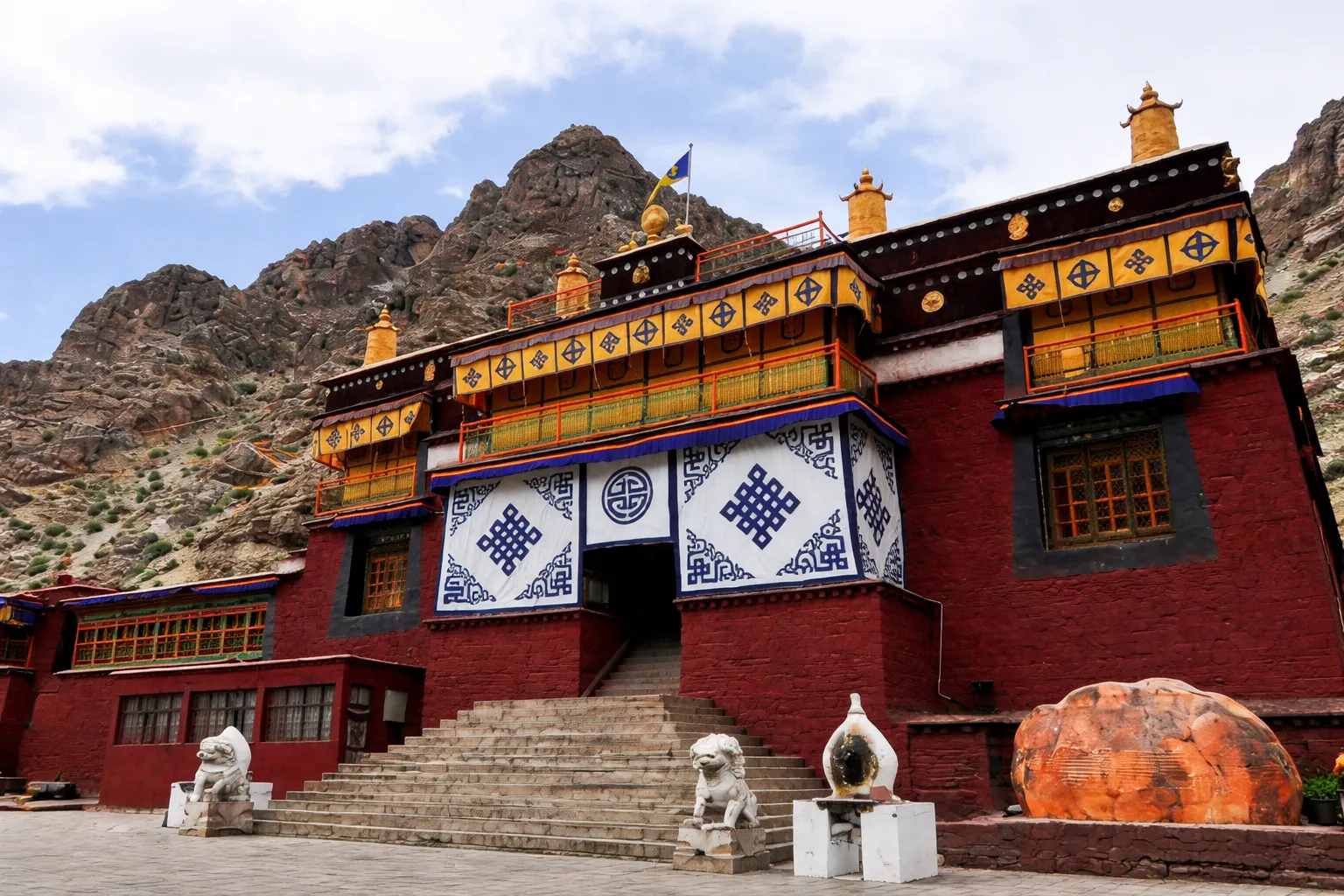
Tsurphu Monastery is one of the most important monasteries of the Kagyu school of Tibetan Buddhism and the traditional seat of the Karmapa lineage. Located about 70 km northwest of Lhasa in a remote valley, it offers ...
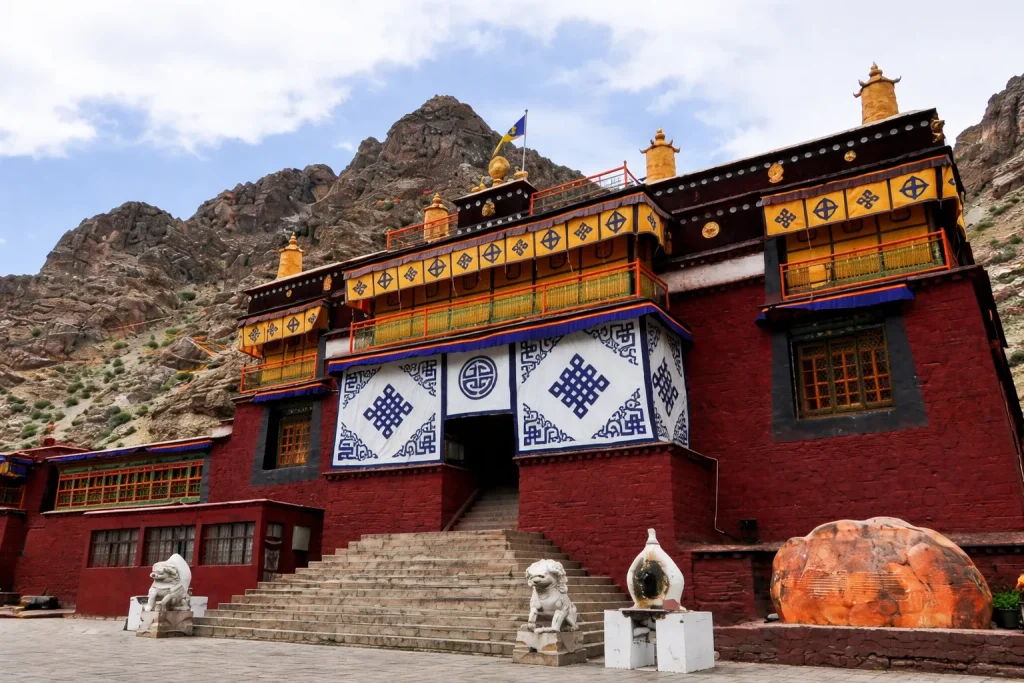
Tsurphu Monastery is one of the most important monasteries of the Kagyu school of Tibetan Buddhism and the traditional seat of the Karmapa lineage. Located about 70 km northwest of Lhasa in a remote valley, it offers a peaceful and authentic experience away from the crowds of central Lhasa.
Surrounded by rugged mountains and untouched landscapes, the monastery is not only a spiritual destination but also a gateway to one of Tibet’s most famous trekking routes—the Tsurphu to Yangpachen trek.
↺ History
Tsurphu Monastery was founded in the 12th century by Düsum Khyenpa, the First Karmapa and founder of the Karma Kagyu school.
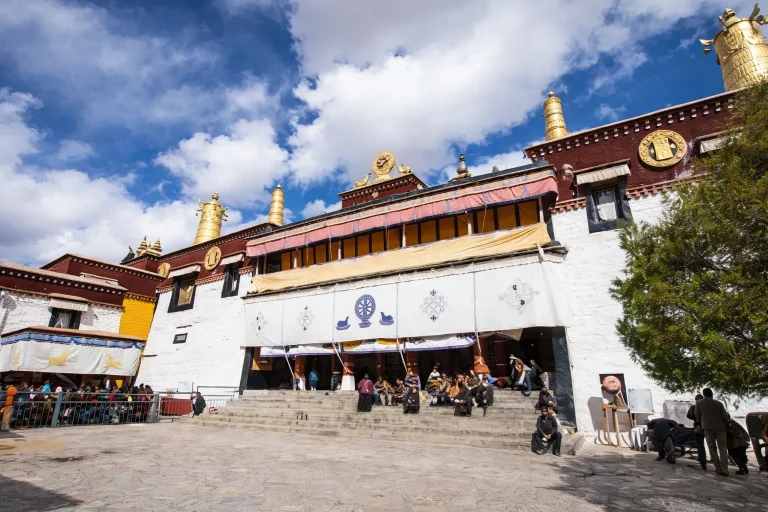
For centuries, it has served as the main seat of the Karmapa lineage, one of the most influential traditions in Tibetan Buddhism. The monastery houses stupas of past Karmapas and preserves valuable religious artifacts, murals, and scriptures.
Despite undergoing periods of destruction and reconstruction, Tsurphu Monastery remains an important center for religious practice and pilgrimage today.
Recommended Tours
View All
6 Days / 5 Nights ★ 4.8
6 Days Tibet Panorama Tour with Nyingchi, Everest & Namtso
3 Days / 2 Nights ★ 4.8
3 Days Nyingchi Grand Canyon & Basum Tso Tour
3 Days / 2 Nights ★ 4.8
3 Days Everest Base Camp Tour from Lhasa
How To Get There
📍 Location:
Tsurphu Valley, about 70 km northwest of Lhasa, Tibet, China
🚗 Transportation:
- From downtown Lhasa: 1.5–2 hours by car
- From Lhasa Railway Station: حوالي 1.5 hours
- From Lhasa Gonggar Airport: about 2 hours
🚕 Getting There:
- Private car or guided tour (highly recommended)
- Limited public transportation
- Starting point for trekking routes
👉 Tip: Combine your visit with a trekking adventure or a day trip from Lhasa.
ⓘ Travel Tips
- 1. Prepare for Remote Travel
- The monastery is located in a remote area with limited facilities—bring essentials like water and snacks.
- 2. Ideal for Trekking Enthusiasts
- Tsurphu is the starting point of the popular Tsurphu–Yangpachen trek, suitable for experienced hikers.
- 3. Respect Religious Practices
- Maintain silence and be respectful to monks and pilgrims.
- 4. Photography Rules
- Outdoor photography is usually allowed, but indoor photography may be restricted.
Enjoy Visa-Free Travel To China & Tibet
China has expanded visa-free entry policies for more countries. Our team can help confirm your route, permits, and documents before departure.
Gallery