About Zongjiao Lukang Park
Zongjiao Lukang Park is the most popular urban park in central Lhasa, nestled directly behind (north of) the magnificent Potala Palace. The park's centerpiece is the shimmering Dragon King Pool (Longwangtan), a tranqu...
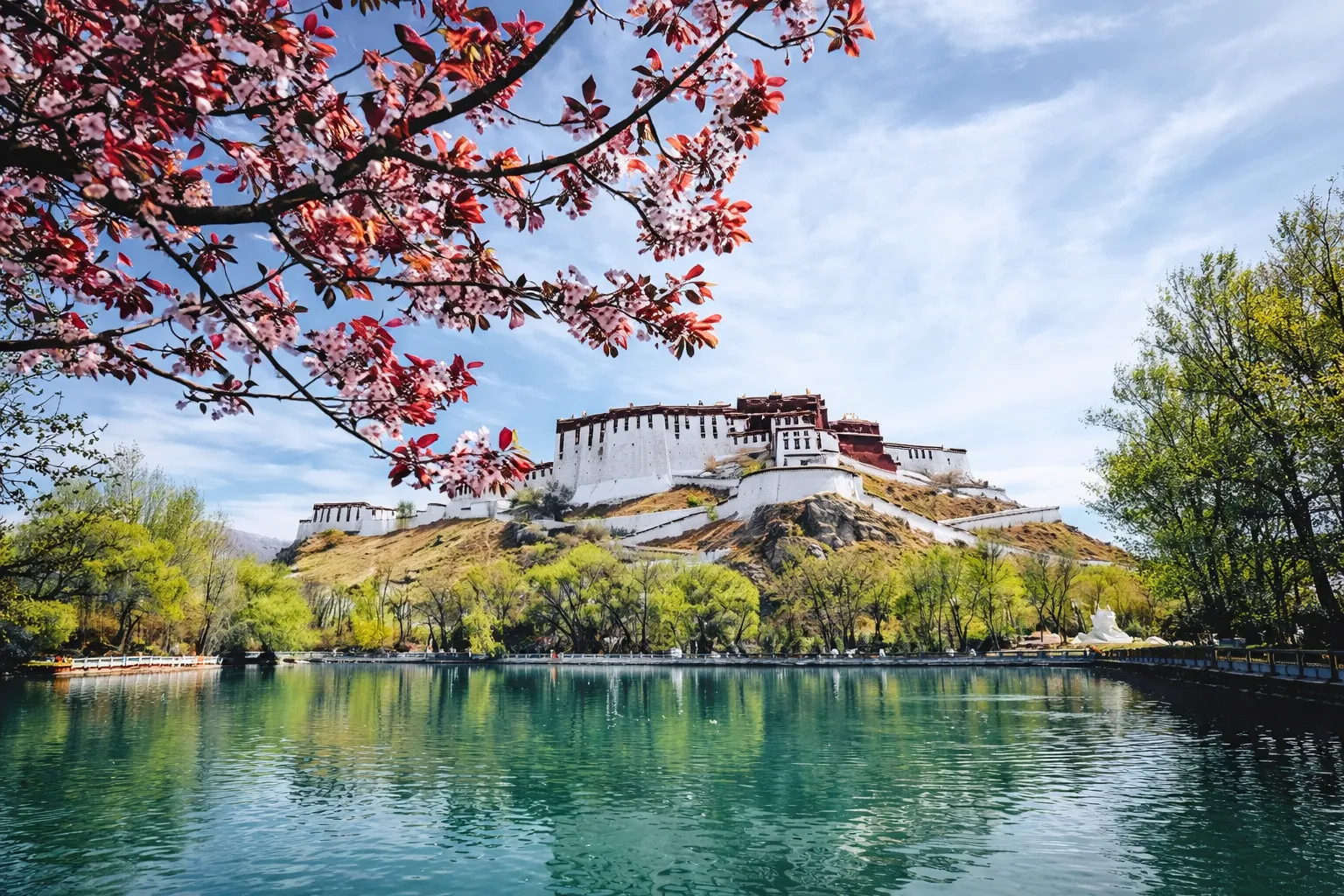
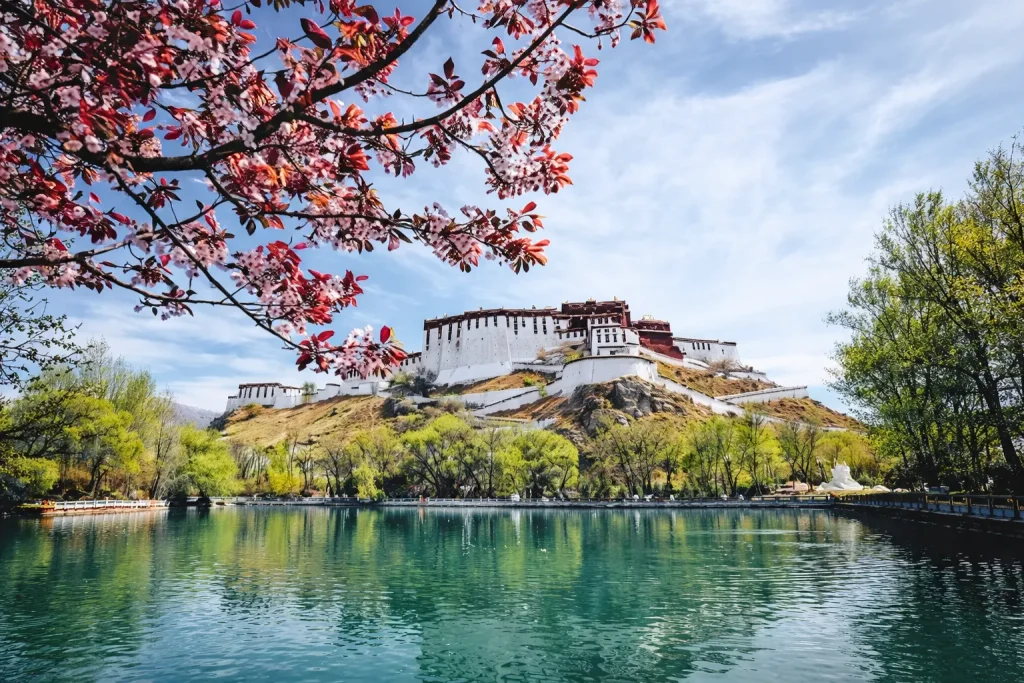
Zongjiao Lukang Park is the most popular urban park in central Lhasa, nestled directly behind (north of) the magnificent Potala Palace. The park’s centerpiece is the shimmering Dragon King Pool (Longwangtan), a tranquil lake whose mirror-still surface perfectly reflects the towering silhouette of the Potala Palace — creating one of Lhasa’s most iconic and breathtaking photographic compositions. The name “Lukang” means “Palace of the Dragon King,” and on a small island at the center of the lake stands an exquisite Dragon King Temple, its golden eaves gleaming through the surrounding canopy of willow trees.
This is Lhasa’s favorite gathering place for daily leisure. In the early morning, elderly pilgrims stroll along the lakeshore spinning prayer wheels; during the day, people play chess, walk, and children play under the shade of ancient willows; in the evening, locals gather to perform the joyous Guozhuang circle dance, their laughter and songs echoing across the water. Unlike most of Lhasa’s solemn religious sites, Zongjiao Lukang Park reveals the city’s most vibrant, warm, and everyday side of life.
For visitors, this is not only the premier spot for photographing the Potala Palace’s reflection, but also the ideal place to experience Lhasa’s celebrated “slow life.” Strolling along the lakeside, breathing in the crisp highland air, watching white clouds drift lazily above the Potala — you begin to understand why Lhasa is called the “City of Sunshine.” Sunlight, blue skies, green willows, and the sacred palace all converge perfectly within this intimate little park.
↺ History
The history of Zongjiao Lukang is inseparable from the construction of the Potala Palace itself. In the 17th century, when the 5th Dalai Lama undertook the massive reconstruction of the Potala Palace, workers excavated enormous quantities of earth from this area to build the palace walls. The deep pits left behind gradually filled with water, eventually forming the lake known as Dragon King Pool. Legend holds that the 6th Dalai Lama, Tsangyang Gyatso — Tibet’s beloved poet-monk — built the Dragon King Temple (Lukang) on the lake’s central island to honor the Naga spirits and pray for favorable weather. The Lukang temple still preserves extraordinary murals depicting the Naga realm and tantric Buddhist practices, considered masterworks of exceptional artistic value.
Throughout its history, the Dragon King Pool area served as the private garden of successive Dalai Lamas, strictly off-limits to ordinary people. The grounds were planted with rare flowers and exotic trees imported from Nepal and India, and stocked with precious birds and animals gathered from across Tibet — a remarkable paradise on the high plateau. During major festivals such as the Shoton Festival and Tibetan New Year, the Dalai Lama would host grand celebrations by the lakeside, inviting nobles and monks to enjoy Tibetan opera performances and boat races.
After 1959, Dragon King Pool was converted into a public urban park and renamed Zongjiao Lukang Park. Through multiple rounds of renovation and landscaping improvements, the park has become a lush, well-equipped recreational haven beloved by Lhasa residents and visitors alike. A major renovation completed in 2018 further enhanced the park’s landscape quality and visitor experience, while carefully preserving its historical character.
Recommended Tours
View All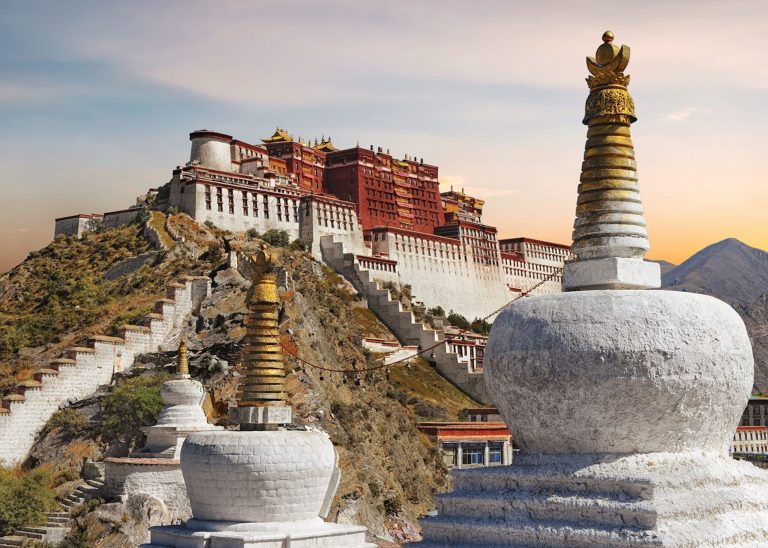
6 Days / 5 Nights ★ 4.8
6 Days Tibet Panorama Tour with Nyingchi, Everest & Namtso
3 Days / 2 Nights ★ 4.8
3 Days Nyingchi Grand Canyon & Basum Tso Tour
3 Days / 2 Nights ★ 4.8
3 Days Everest Base Camp Tour from Lhasa
How To Get There
Zongjiao Lukang Park is located in the Chengguan District of Lhasa, at the foot of the northern slope of the Potala Palace hill, adjacent to Beijing Middle Road. The park is separated from the Potala Palace by just a wall, enjoying an exceptionally prime location as a key component of Lhasa’s core tourism district.
From the Potala Palace Square, walk north around either the western or eastern side of the Potala Palace hill — the park entrance is approximately a 10-minute walk away. From the Jokhang Temple and Barkhor Street area, it is about a 20-minute walk or a ¥10 taxi ride. Multiple bus routes including lines 6, 17, and 24 have stops nearby. It is highly recommended to visit the Potala Palace and Zongjiao Lukang Park on the same day — tour the Potala in the morning, then relax and take photos in the park during the afternoon. This is the classic combination.
The park has several entrances, with the main entrance on the Beijing Middle Road side. The park is compact — a complete loop around the lake takes about 30-40 minutes of walking, and with photography stops and rest breaks, a full visit takes approximately 1-2 hours.
ⓘ Travel Tips
- Best Time to Visit: May through October is the ideal visiting season, when the lake is full and the willows provide lovely shade, offering the best conditions for photographing the Potala Palace's reflection. The golden hour for reflection photography is early morning between 7:00-9:00 AM — the lake surface is at its calmest and most mirror-like, the light is soft, and there is almost no wind, producing the most perfect symmetrical reflections. The hour before sunset is also excellent, when golden light paints the Potala in warm tones.
- Altitude Precautions: At 3,650 meters, the park is flat and requires minimal physical exertion, making it perfectly suited for newly arrived visitors as an acclimatization activity. Take a gentle stroll along the lake, sit on a bench and soak in the sunshine — this is the most relaxing way to adjust to the altitude.
- Cultural Etiquette: The Dragon King Temple within the park is a religious site — please remove your hat and maintain silence when entering. Local people circumambulating the lake follow a clockwise direction; please respect this custom. You may encounter residents performing Guozhuang circle dances in the park — you are welcome to join in, but please ask politely before photographing.
- Photography Tips: The eastern and southeastern shores of the lake offer the best vantage points for capturing the full Potala Palace reflection panorama. Use a wide-angle lens (smartphone wide-angle mode works well), and crouch low to maximize the lake surface area in your frame. Calm, windless mornings are optimal; if a breeze creates ripples on the surface, simply wait a few moments for it to settle.
- Practical Tips: The park is free and open to the public with no tickets required. Public restrooms and benches are available throughout, but there are no food or drink facilities inside — bring your own water and snacks. Summer UV radiation in Lhasa is extremely intense, so wear sunscreen even under tree shade. In winter, the lake may partially freeze, reducing reflection quality, but the snow-dusted Potala Palace offers its own unique charm.
Enjoy Visa-Free Travel To China & Tibet
China has expanded visa-free entry policies for more countries. Our team can help confirm your route, permits, and documents before departure.
Gallery