About Nagenla Pass
Nagenla Pass is a crucial gap in the Nyainqentanglha mountain range at a towering altitude of 5,190 meters — the highest point that all travelers must cross when heading from Lhasa to Namtso Lake. This extreme-altit...
Nagenla Pass is a crucial gap in the Nyainqentanglha mountain range at a towering altitude of 5,190 meters — the highest point that all travelers must cross when heading from Lhasa to Namtso Lake. This extreme-altitude zone is a life-forbidden area where fierce winds howl relentlessly and temperatures plummet. Yet it is simultaneously a place of unforgettable visual awe.
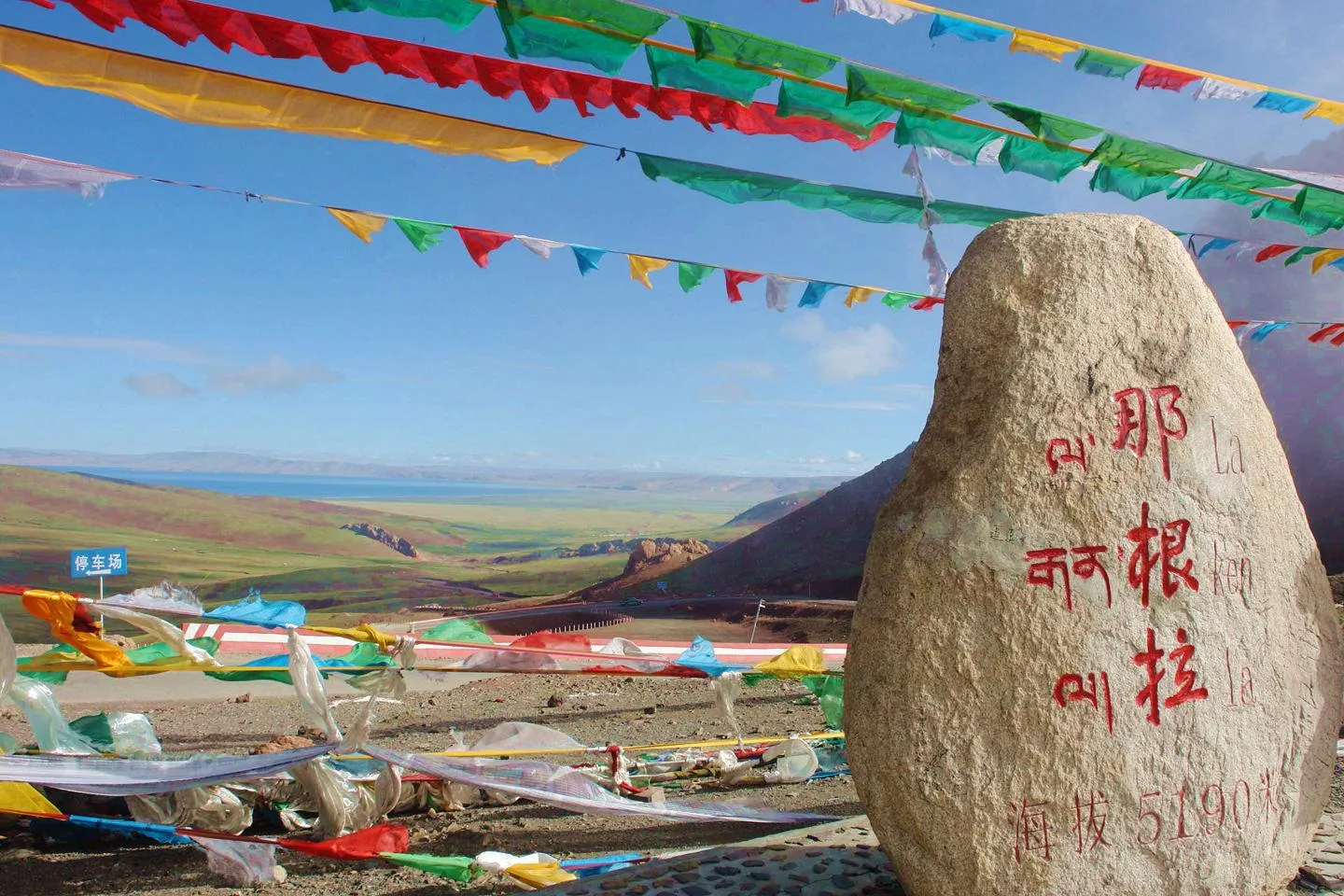
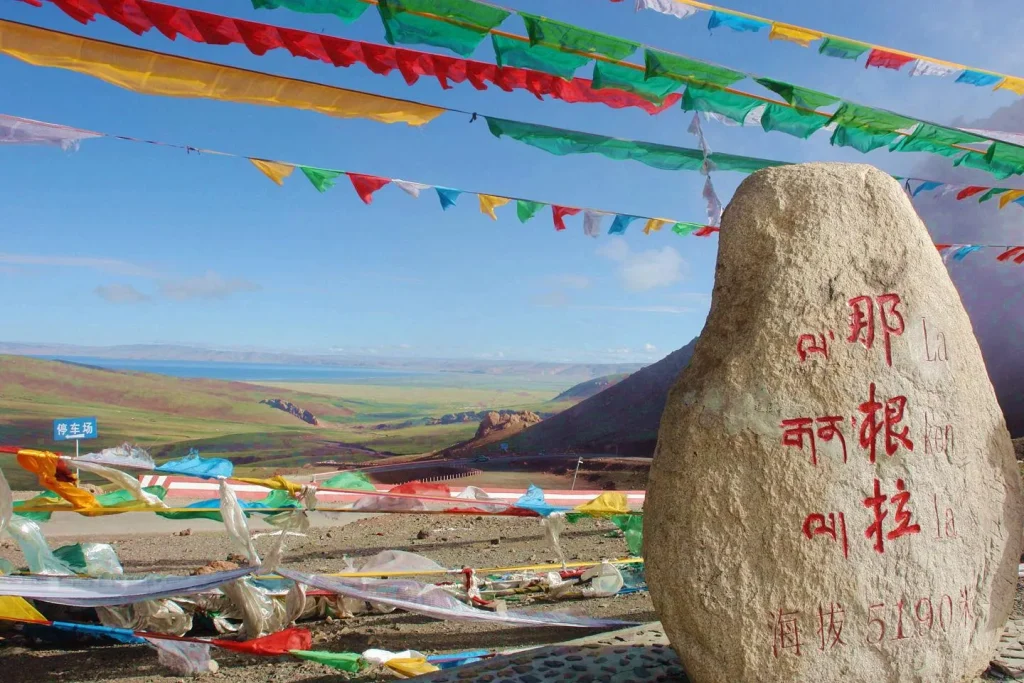
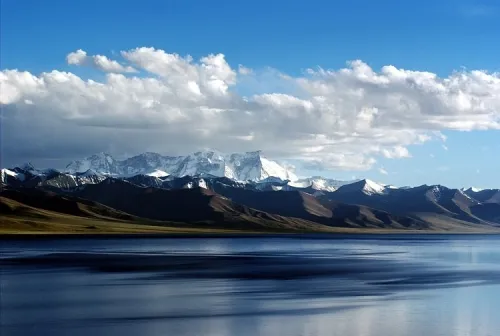
Standing at the pass, you are rewarded with the legendary “first glimpse of Namtso” — the holy lake appears in the distance like a shimmering blue ribbon laid along the edge of the sky, framed by barren mountains and endless wilderness. This moment of sudden revelation, after enduring the arduous climb through thin air, is universally regarded as the single most moving instant of the entire Namtso journey.
At the summit stands a massive stone monument inscribed with “Nagenla — Altitude 5,190 meters.” Surrounding the monument and spreading across the entire mountainside are thousands upon thousands of colorful prayer flags, densely layered and wildly dancing in the fierce wind. Their fluttering creates a constant, powerful sound — as if broadcasting the prayers of countless believers to the heavens and the holy lake below. The scene is simultaneously magnificent, solemn, and deeply moving.
↺ History
Before modern winding mountain roads were constructed, crossing Nagenla Pass was a genuine life-and-death ordeal for northern Tibetan nomads, trade caravans, and pilgrims making their way to Namtso for sacred circumambulation. The pass was perpetually covered in snow, with brutally harsh weather conditions and frequent, sudden blizzards that could trap travelers for days. In those times, people could only rely on yaks and their own legs to trudge through the wind and snow.
In Tibetan tradition, mountain passes (“La”) are believed to be places where deities reside — the points closest to the sky and therefore the most effective locations from which to transmit prayers to the gods. Every traveler who successfully crossed Nagenla would throw handfuls of wind horse paper (lungta — colorful paper squares printed with sacred text) into the air, or hang fresh prayer flags on the existing lines, and shout “Lha Gyalo!” or “So So So!” (meaning “Victory to the Gods!” or “May Blessings Come!”) while facing the direction of the holy lake, expressing gratitude for divine protection during the perilous crossing. Over centuries upon centuries, these accumulated acts of devotion created the spectacular sea of mani stones and prayer flags that blankets the pass today.
Thanks to the comprehensive upgrading and paving of the Namtso National Park tourism road in recent years, today’s visitors can safely reach this once-terrifying life-forbidden zone by comfortable tour buses, traveling along smooth switchback roads. While the journey is now infinitely easier, the raw spiritual power of the pass remains completely undiminished.
Recommended Tours
View All
6 Days / 5 Nights ★ 4.8
6 Days Tibet Panorama Tour with Nyingchi, Everest & Namtso
3 Days / 2 Nights ★ 4.8
3 Days Nyingchi Grand Canyon & Basum Tso Tour
3 Days / 2 Nights ★ 4.8
3 Days Everest Base Camp Tour from Lhasa
How To Get There
Nagenla Pass is located in Damxung County, Lhasa Municipality. It is accessed by turning off the main G109 highway onto the dedicated Namtso scenic route from Damxung county town.
Riding in either the park’s eco-shuttle buses or permitted self-drive vehicles, visitors ascend along a winding mountain road with numerous switchbacks. The climb from the Namtso park entrance gate takes approximately 1 to 1.5 hours to reach the summit. After crossing the pass, a scenic 40-minute downhill drive leads directly to Tashi Peninsula on the shore of Namtso Lake.
Nagenla Pass is a standard and universally recognized photo stop on all Namtso itineraries. Every tour bus, chartered vehicle, and self-drive car stops here to allow passengers to disembark, take photos with the altitude monument, and gaze upon the first breathtaking panoramic view of the holy lake stretched out below.
ⓘ Travel Tips
- CRITICAL — Extreme Altitude Warning: At 5,190 meters, the oxygen level here is approximately only half that of sea level. The vast majority of visitors will experience noticeable shortness of breath, rapid heartbeat, and possibly headaches. Under absolutely no circumstances should you run, jump, or make any sudden vigorous movements. When exiting the vehicle, move with extreme deliberation — as if in slow motion. Every step should be measured and purposeful.
- Strict Time Limit: For your personal safety, your stay at Nagenla Pass should absolutely not exceed 15 to 20 minutes . Take your photographs, absorb the magnificent view, and then return promptly to the warmth of your vehicle. If you experience severe headaches, blue-tinged lips, extreme gasping, or dizziness, return to the car immediately and instruct your driver to begin descending in altitude without delay. Do not attempt to tough it out.
- Extreme Wind and Cold: The pass functions as a natural wind tunnel, channeling powerful gusts that blow with extraordinary force year-round. Even in the height of August summer, the wind-chill effect can drive the perceived temperature well below freezing. Before stepping out of your vehicle, ensure your windproof jacket is fully zipped, your hood is up, and your ears are completely covered. Rapid heat loss from an exposed head is one of the fastest triggers for severe altitude sickness.
- Road Closure Risk: During the long winter months from November through April, Nagenla Pass is highly susceptible to heavy snowfall and ice formation. When road conditions become dangerously icy, traffic police and park management will completely close the road, making Namtso Lake inaccessible. Winter travelers must constantly monitor local traffic control announcements and have flexible backup plans.
Enjoy Visa-Free Travel To China & Tibet
China has expanded visa-free entry policies for more countries. Our team can help confirm your route, permits, and documents before departure.
Gallery