About Laigu Glacier
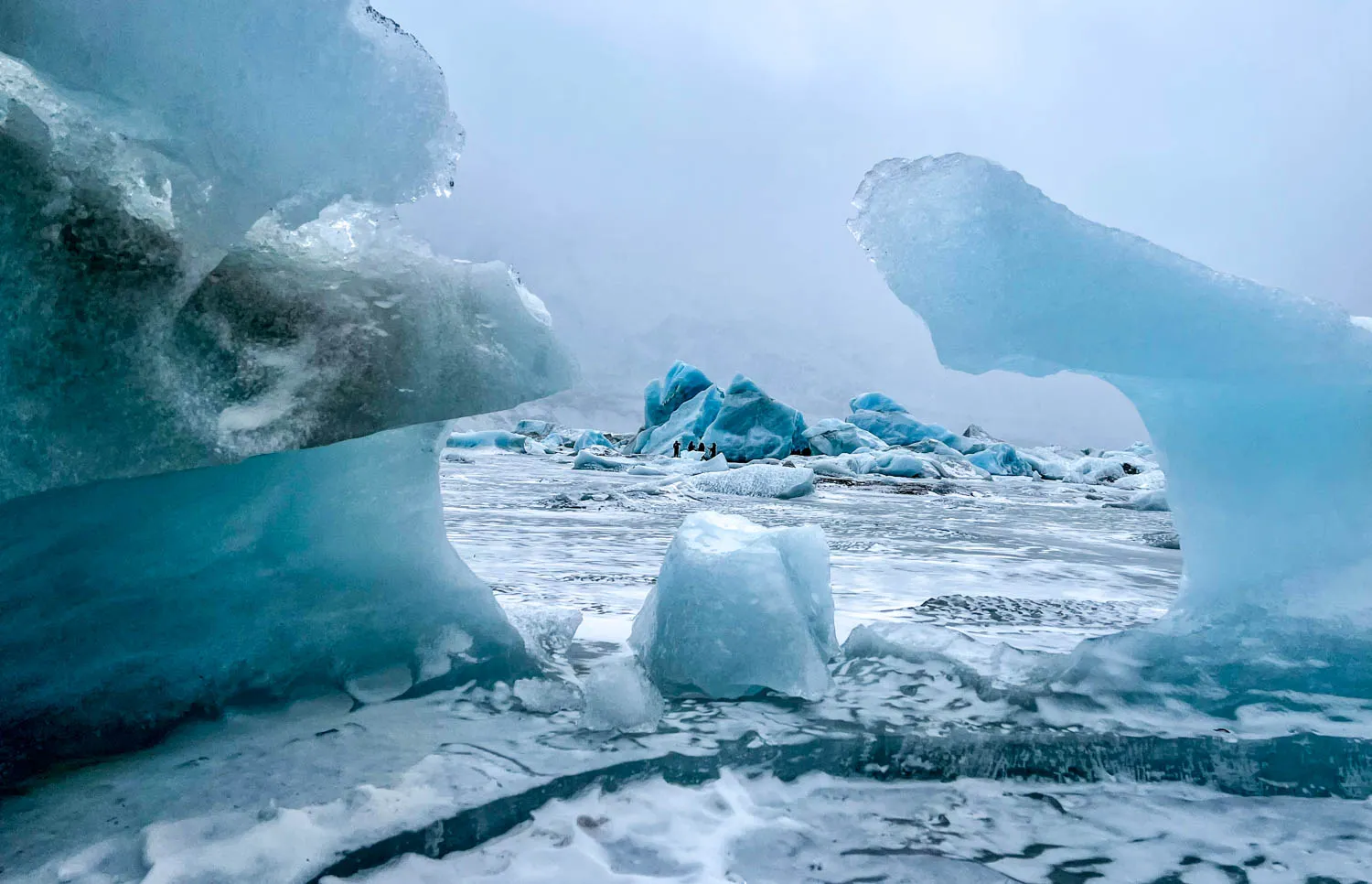
Laigu Glacier, situated within the breathtaking然乌 (Ranwu) Basin region of Basu County, Nyingchi Prefecture, is one of the largest and most accessible marine-type glacier clusters in all of China. The name "Laigu" ...
Laigu Glacier, situated within the breathtaking然乌 (Ranwu) Basin region of Basu County, Nyingchi Prefecture, is one of the largest and most accessible marine-type glacier clusters in all of China. The name “Laigu” derives from a small, remote Tibetan village nestled at the foot of the glacier — a tiny settlement of stone houses and prayer flags that has gazed upon these colossal rivers of ice for centuries. Unlike the forbidding, inaccessible glaciers perched high on 7,000–8,000-meter Himalayan peaks, Laigu’s massive ice tongues descend to an astonishingly low altitude of around 4,000 meters, making them remarkably approachable for ordinary travelers.
The glacier complex consists of multiple enormous ice flows cascading down from the Gangrigabu Range, including the Yalong, Ruijie, Mexi, and Dongga glaciers. Together, they cover an awe-inspiring total area of over 130 square kilometers. Each glacier terminates in its own stunning, milky turquoise proglacial lake — natural dam reservoirs where colossal chunks of calved ice drift silently like ghostly sculptures. The contrast between the brilliant white and deep blue ice, the ethereal turquoise meltwater lakes, the surrounding dark granite peaks, and the lush subtropical forests clinging to the lower valleys creates one of the most visually surreal and otherworldly landscapes on the entire Tibetan Plateau.
What makes Laigu truly exceptional is its dramatic ecological layering. Within the span of just a few kilometers, the terrain transitions from dense, primeval old-growth forests and rhododendron thickets at lower elevations, through alpine meadows carpeted with wildflowers, to the stark, brutal world of bare rock, blinding blue ice, and perpetual snow. This vertical compression of ecosystems — from subtropical to polar within walking distance — is a geological and ecological marvel rarely found anywhere else on Earth.
↺ History
The geological story of Laigu Glacier stretches back millions of years to the dramatic tectonic collision between the Indian and Eurasian plates that thrust the Tibetan Plateau skyward. The Gangrigabu Range, the glacier’s source massif, is one of the most heavily glaciated mountain chains in southeastern Tibet, with peaks exceeding 6,600 meters. During the last major glacial period (approximately 20,000 years ago), these glaciers were vastly larger than today, extending dozens of kilometers further down the valleys and carving out the characteristic U-shaped troughs and moraines visible throughout the region.
For the tiny Tibetan village of Laigu, the glacier has been an inseparable part of life and spiritual cosmology since the settlement’s founding centuries ago. The local inhabitants have long regarded the glacier as the abode of mountain deities and protector spirits. Seasonal rituals involving the burning of juniper incense and the hanging of fresh prayer flags at elevated viewpoints facing the ice are still performed to appease the spirits and ensure favorable weather for their yak herds and barley fields. The villagers possess generations of accumulated, intimate knowledge about the glacier’s seasonal rhythms — when crevasses widen, when meltwater floods peak, and when the ice groans and shifts.
In recent decades, Laigu Glacier has become a critically important site for Chinese glaciological research. Scientists from the Chinese Academy of Sciences have established monitoring stations to track the glacier’s alarming rate of retreat — a stark, visible barometer of global climate change. Studies have documented significant ice mass loss and terminal retreat over the past 30 years, making Laigu both a place of extraordinary natural beauty and a sobering scientific warning about the future of Earth’s cryosphere.
Recommended Tours
View All
3 Days / 2 Nights ★ 4.8
3 Days Nyingchi Grand Canyon & Basum Tso Tour
6 Days / 5 Nights ★ 4.8
6 Days Tibet Panorama Tour with Nyingchi, Everest & Namtso
3 Days / 2 Nights ★ 4.8
3 Days Everest Base Camp Tour from Lhasa
How To Get There
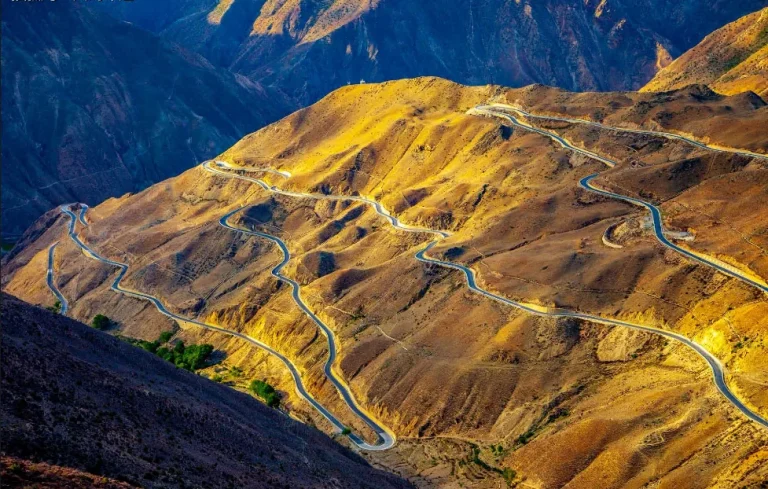
Laigu Glacier is located in Basu County, Nyingchi Prefecture, in the southeastern corner of the Tibet Autonomous Region. It lies along the legendary Sichuan-Tibet Highway (G318), approximately 38 kilometers from the famous Ranwu Lake and about 760 kilometers from Lhasa — a formidable overland journey of roughly two to three days by road.
From the G318 highway near Ranwu town, travelers must turn off onto a rugged, unpaved village road heading south toward Laigu Village. This 28-kilometer dirt track, traversing river crossings and loose gravel, takes approximately 1.5 to 2 hours by four-wheel-drive vehicle. The road conditions are extremely variable — during the summer monsoon season (July-August), heavy rainfall frequently causes mudslides and washouts that can make the road temporarily impassable. A capable 4WD vehicle with high ground clearance and an experienced local driver are absolutely essential.
For those traveling the classic Sichuan-Tibet overland route from Chengdu to Lhasa, Laigu Glacier and neighboring Ranwu Lake form one of the most spectacular highlight stops on the entire journey. Many overland travelers plan to spend one to two full days in the Ranwu-Laigu area, using either basic guesthouses in Ranwu town or the simple homestays in Laigu Village as their base camp for glacier exploration.
ⓘ Travel Tips
- Best Time to Visit: The optimal seasons for visiting Laigu Glacier are April through June (spring, when wildflowers bloom across the alpine meadows and glacial lakes are at their most vivid turquoise) and September through November (autumn, offering crystal-clear skies, golden larch forests, and superb visibility of the ice formations). July and August bring the monsoon, with heavy rain, persistent fog, and a high risk of road closures. Winter (December-March) offers dramatic frozen landscapes but extreme cold and potentially snowbound roads.
- Altitude and Physical Preparedness: Laigu Village sits at approximately 4,200 meters, and glacier viewpoints can reach 4,500 meters or higher. While not as extreme as places like Namtso or Everest Base Camp, the altitude is still very significant. Ensure you are well-acclimatized before visiting — ideally having spent several days in Nyingchi (3,100m) or along the G318 corridor first. Carry portable oxygen, stay hydrated, and move slowly, especially when trekking on uneven moraine terrain near the glacier.
- Glacier Safety — Critical: Under no circumstances should you attempt to walk directly onto the glacier surface without professional mountaineering equipment and an experienced guide. The ice is riddled with hidden crevasses, unstable seracs, and treacherous meltwater channels. Ice calving events — where huge blocks of ice suddenly collapse into the proglacial lake — occur without warning and can generate dangerous waves. Maintain a safe distance of at least 200 meters from the glacier terminus and lake edge at all times.
- Accommodation and Supplies: Laigu Village offers a handful of very basic Tibetan homestays and simple guesthouses. Do not expect hot showers, reliable heating, or stable electricity. Bringing your own sleeping bag liner, high-calorie snacks, and a headlamp is highly recommended. The nearest proper town with restaurants and ATMs is Ranwu, about 1.5 hours away by rough road. Stock up on all essentials before heading to Laigu.
- Environmental Protection: Laigu is a fragile, pristine glacial ecosystem. All trash must be carried out with you — absolutely no littering. Do not disturb the glacier's natural drainage channels or remove any rocks, ice samples, or plant material. If you see fellow travelers leaving litter behind, kindly remind them. The preservation of this extraordinary natural wonder depends on the conscientious behavior of every single visitor.
Enjoy Visa-Free Travel To China & Tibet
China has expanded visa-free entry policies for more countries. Our team can help confirm your route, permits, and documents before departure.
Gallery