About Shalu Monastery
Shalu Monastery quietly hides in a tranquil village approximately 20 kilometers southeast of Shigatse city's outskirts. It proudly serves as the ancestral monastery of the Shalu (or Bulug) sect of Tibetan Buddhism. Am...
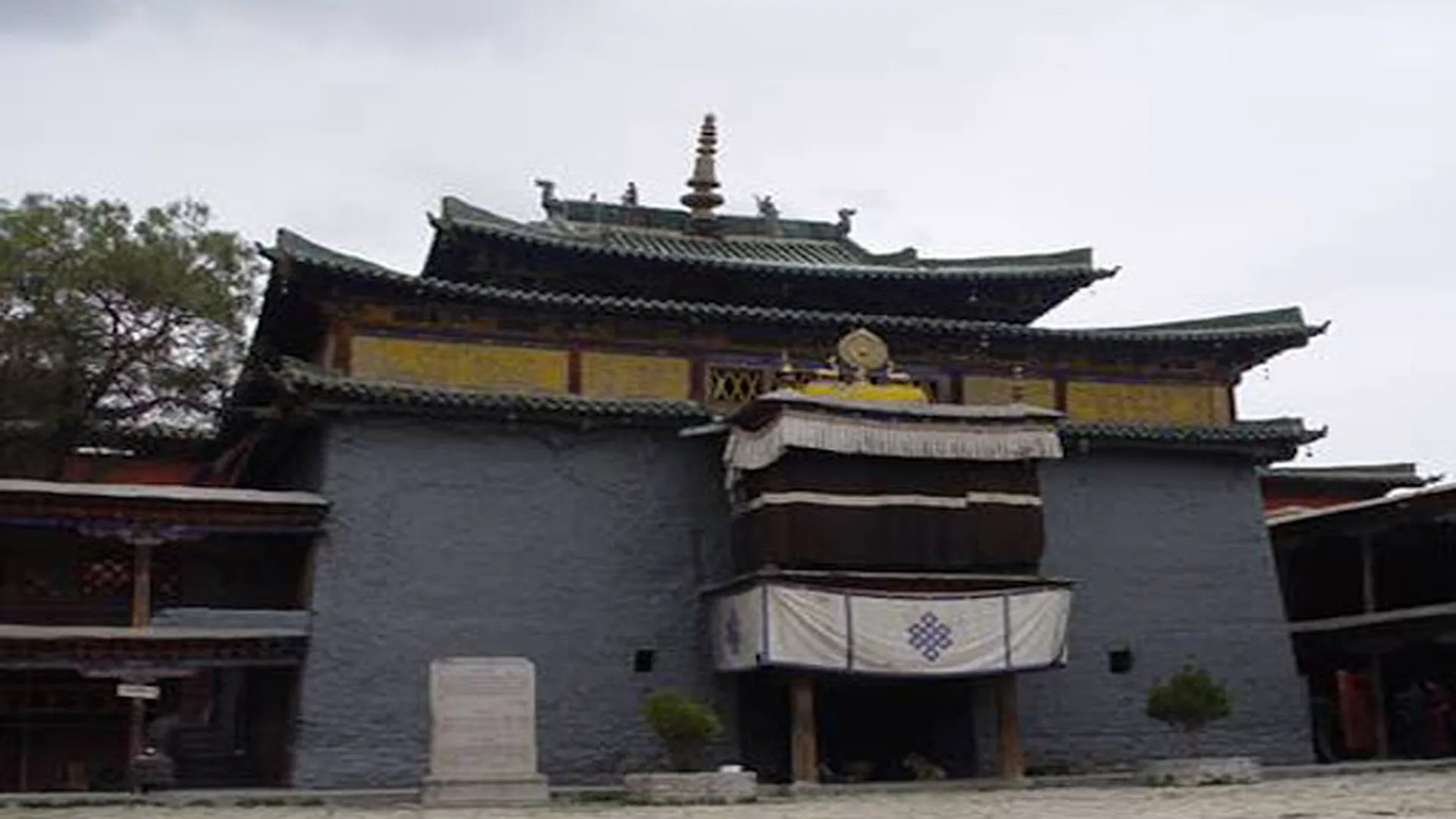
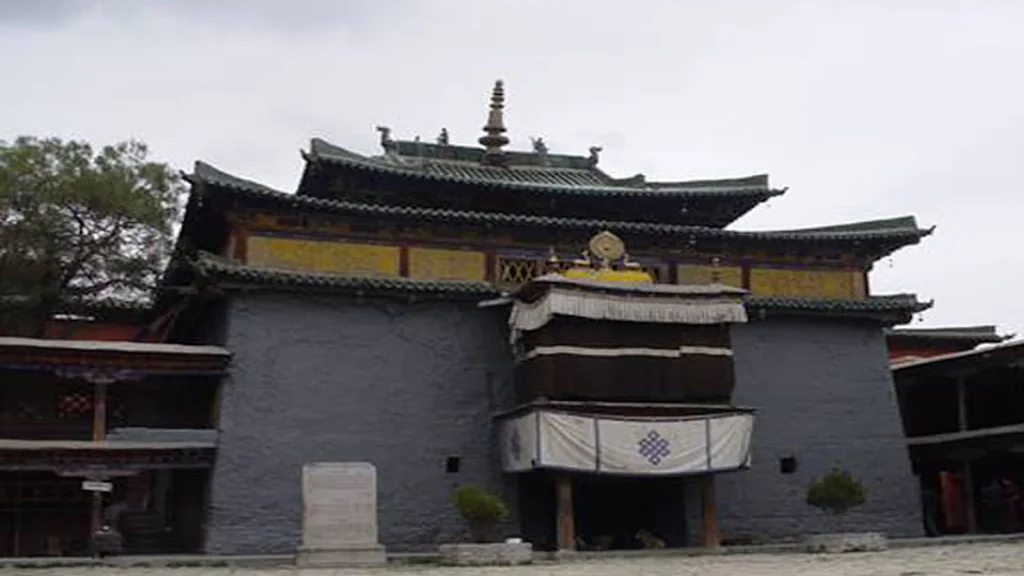
Shalu Monastery quietly hides in a tranquil village approximately 20 kilometers southeast of Shigatse city’s outskirts. It proudly serves as the ancestral monastery of the Shalu (or Bulug) sect of Tibetan Buddhism. Among the thousands of similarly styled, red-and-white walled temples across Tibet, Shalu’s architectural style stands out as phenomenally unique and visually striking. While its main body consists of massive, traditional Tibetan stone walls, the main assembly hall is crowned with a spectacular, sloping green-glazed tile roof featuring sweeping, upturned flying eaves. This roof is a textbook example of traditional Han Chinese palatial architecture (specifically from the Yuan Dynasty era), seamlessly blending two entirely distinct classical architectural arts into one masterpiece.
Beyond its bizarre, magnificent Sino-Tibetan hybrid architecture, what truly draws art historians and cultural enthusiasts from around the globe to Shalu Monastery are its unbelievably well-preserved murals dating from the 11th to the 14th centuries. These murals represent an absolutely critical turning point and absolute zenith in the developmental history of Tibetan Buddhist art. The paintings flawlessly interweave the classical aesthetics of the Indian Pala dynasty and Nepalese traditions with the flowing, elegant brushwork and compositional layouts of Han Chinese painting. With colors still vibrantly bursting after many centuries and figures rendered with lifelike dynamism, these murals are universally recognized as priceless treasures of Tibetan artistic heritage.
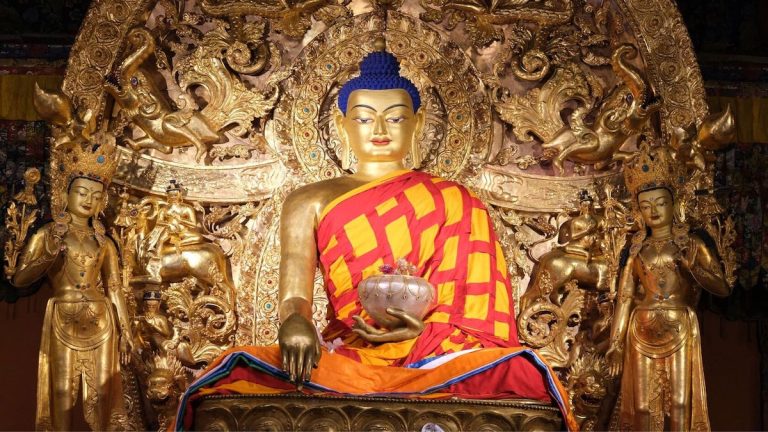
Furthermore, Shalu Monastery houses the legendary “Four Sacred Treasures of the Monastery’s Founding” (a sutra printing board, a holy water brass urn, a face-washing stone basin, and a stone foundation tablet). The most famous of these is the brass urn sealed with a red cloth; ancient legend dictates that the holy water inside is replaced only once every 12 years, yet miraculously, it never dries up or spoils, adding an aura of deep religious mysticism to the monastery.
↺ History
Shalu Monastery boasts a history spanning nearly a millennium, having been originally founded in 1040 AD by the esteemed monk Chetsun Sherab Jungnay during the later dissemination period of Tibetan Buddhism.
However, the true golden age of Shalu Monastery arrived in the year 1320 AD. During this period, one of the absolute greatest Buddhist masters in Tibetan history — Buton Rinchen Drub (often simply called Buton Thamchen) — became the abbot of the monastery. Buton was not only a monk of profoundly high spiritual attainment but also an intellectual giant and genius scholar. It was here, within the walls of Shalu, that he dedicated his life’s energy to the agonizingly rigorous task of proofreading, classifying, and compiling the impossibly vast and chaotic sea of Tibetan Buddhist scriptures. His monumental effort produced the most authoritative compilation of the Tibetan Buddhist Canon (divided into the Kangyur and Tengyur), single-handedly laying the structural foundation of Tibetan scriptures used to this day and cementing Shalu’s supreme academic status in the Buddhist world.
During Buton’s era, which coincided with the Yuan Dynasty (Mongol Empire) in China, the monastery received massive financial backing from both the ruling Sakya regime in Tibet and the Mongol Emperor himself. This extraordinary wealth funded a colossal expansion project. It was during this specific 14th-century expansion that the monastery acquired its iconic Han-style glazed roof and enlisted top-tier master painters from Han China, Nepal, and local Tibet to collaboratively paint the murals, entirely resulting in the spectacular, one-of-a-kind, multicultural artistic sanctuary we see today.
Recommended Tours
View All
3 Days / 2 Nights ★ 4.8
3 Days Everest Base Camp Tour from Lhasa
6 Days / 5 Nights ★ 4.8
6 Days Tibet Panorama Tour with Nyingchi, Everest & Namtso
3 Days / 2 Nights ★ 4.8
3 Days Nyingchi Grand Canyon & Basum Tso Tour
How To Get There
Shalu Monastery is located in Jiading Township, Samzhubzê District of Shigatse City (roughly 20 to 26 kilometers deep into a river valley southeast of the urban center). Because it is not situated directly on the bustling main thoroughfare of National Highway 318, visiting requires turning off the main highway and driving a short distance into the rural village interior.
Since there is no direct, scheduled public transportation to the site, the absolute most convenient way to reach Shalu Monastery is by chartering a vehicle or taking a taxi directly from downtown Shigatse. Departing from the city, driving along the wide, flat roads heading southeast takes merely 30 to 45 minutes to reach this tranquil, worldly-detached ancient village.
Shalu Monastery serves not only as an exceptional half-day excursion destination from Shigatse city but also functions perfectly as an enriching, deeply cultural, 1-to-1.5-hour detour for road-trippers traveling the popular southern route between Gyantse and Shigatse.
ⓘ Travel Tips
- Absolutely Essential Gear — A High-Beam Flashlight: The majority of Shalu Monastery's ancient chapels have deliberately avoided excessive modern commercial renovations. Consequently, the interior spaces (especially the circumambulation circumferences and mural galleries) are extremely dark. If you genuinely want to appreciate the exquisite, centuries-old details of these priceless murals, bringing your own powerful, high-beam flashlight is absolutely mandatory (a standard smartphone flashlight is often insufficient in the cavernous, high-ceilinged halls).
- Claustrophobia Warning: The circumambulation path (kora route) tightly squeezing between the double walls surrounding the main ground-floor statues is incredibly ancient, dark, narrow, and low-ceilinged. You must walk extremely slowly to avoid brushing against and damaging the murals on the walls. If you suffer from severe claustrophobia, please mentally prepare yourself before entering the deepest sections of this enclosed passageway.
- Experience the Unmatched Serenity: In stark contrast to the massive, bustling crowds of pilgrims and tourists swarming Tashilhunpo Mosque in the city center, Shalu Monastery receives only a fraction of visitors. The silence here is so profound that you can clearly hear your own breathing and the rustle of leaves in the courtyard outside. If you possess a deep interest in religious history and classical Buddhist art, or simply wish to find an untouched place to quietly absorb the weight of centuries past, Shalu Monastery is an absolute, unmissable hidden gem.
Enjoy Visa-Free Travel To China & Tibet
China has expanded visa-free entry policies for more countries. Our team can help confirm your route, permits, and documents before departure.
Gallery