About Tashilhunpo Monastery
Tashilhunpo Monastery, majestically situated at the foot of Mount Drolmari in Shigatse (Tibet's second-largest city), is one of the six great monasteries of the Gelug school (Yellow Hat sect) of Tibetan Buddhism. In T...
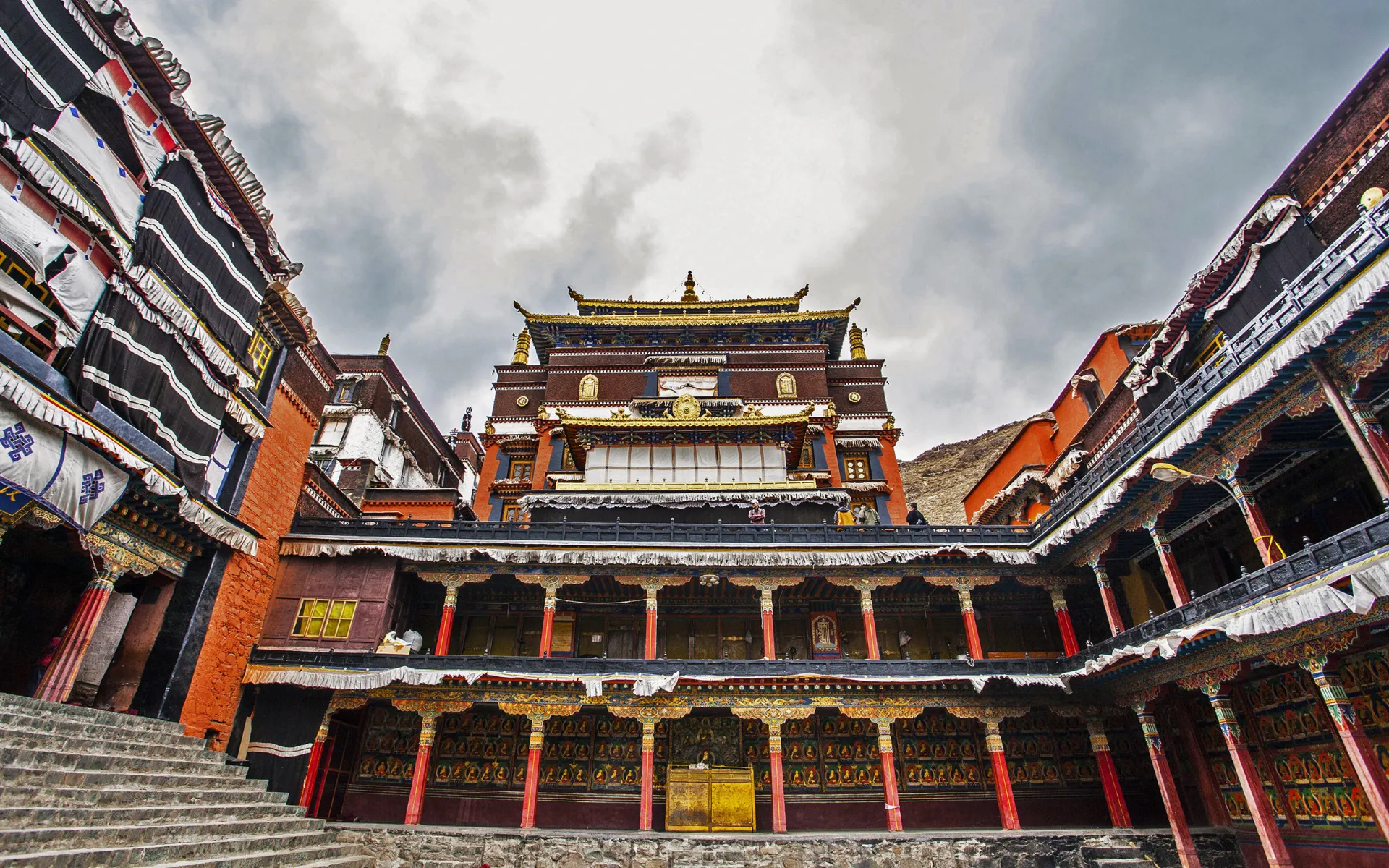
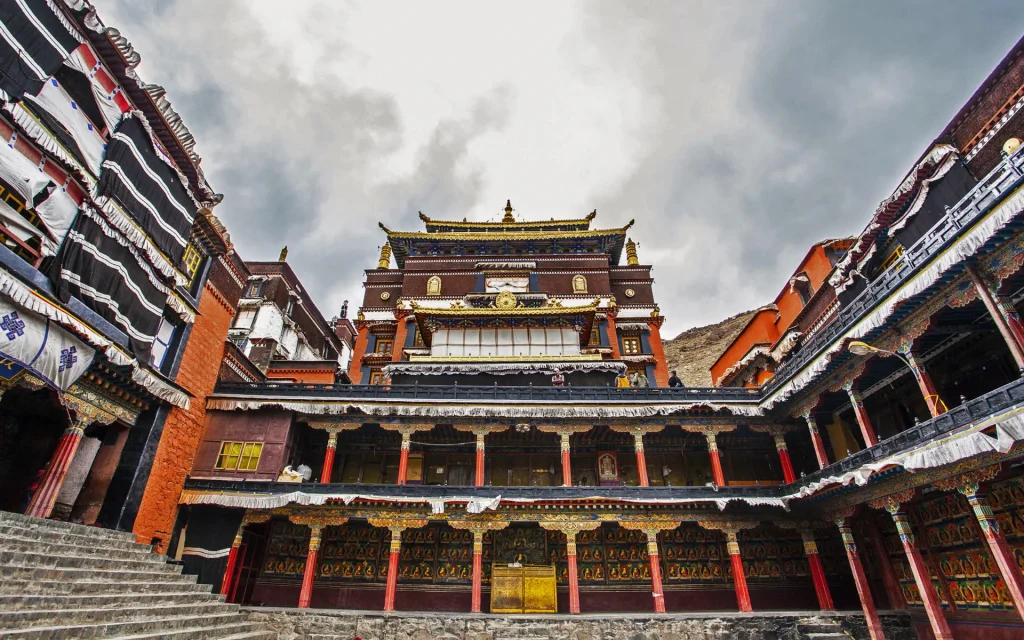
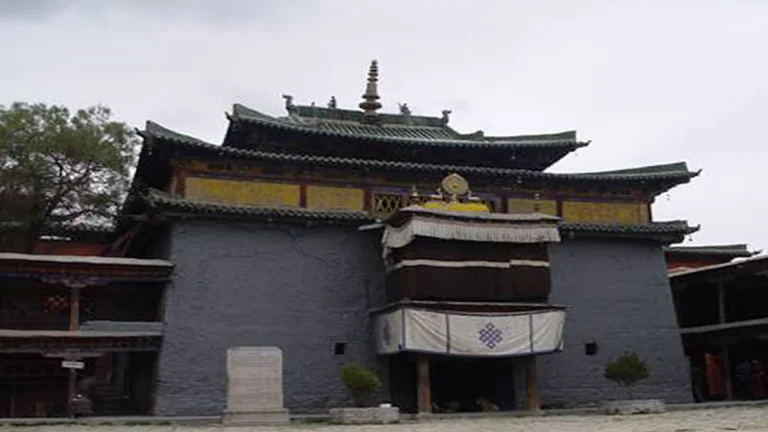
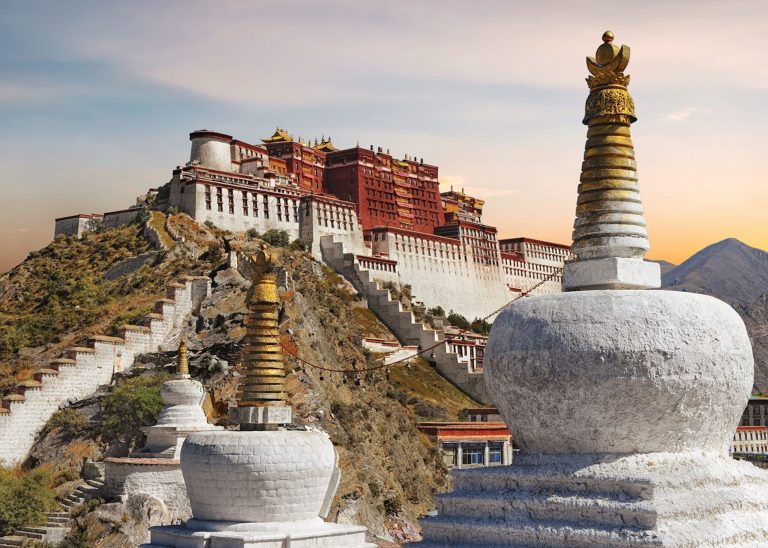
Tashilhunpo Monastery, majestically situated at the foot of Mount Drolmari in Shigatse (Tibet’s second-largest city), is one of the six great monasteries of the Gelug school (Yellow Hat sect) of Tibetan Buddhism. In Tibetan, “Tashilhunpo” translates beautifully to “All Fortune and Happiness Gathered Here,” or the “Auspicious Mount Meru.” The sprawling, city-like monastic complex is an architectural marvel. Its striking red and white walls, topped with blindingly brilliant golden roofs, create a scene of overwhelming grandeur against the stark mountain backdrop. If the Potala Palace represents the spiritual heart of the U (front Tibet) region, Tashilhunpo Monastery is undeniably the absolute political and religious center of the Tsang (rear Tibet) region.
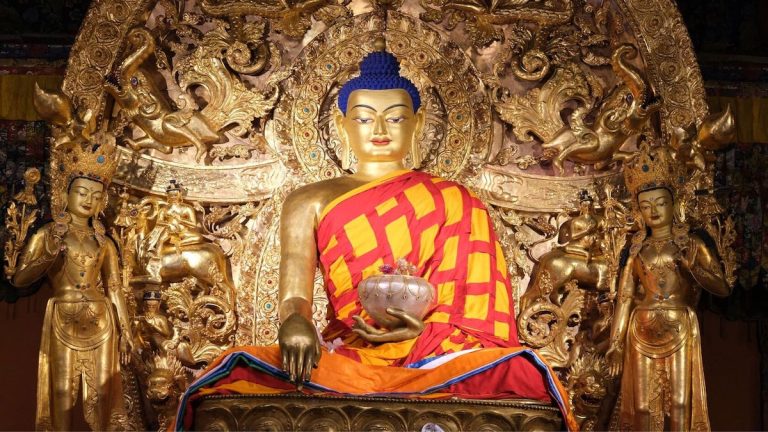
As the traditional and historical seat of successive Panchen Lamas, Tashilhunpo houses an incalculable wealth of historical artifacts and priceless treasures. The most awe-inspiring masterpiece within the monastery is the gargantuan, 26-meter-high gilded bronze statue of Maitreya (the Future Buddha) housed in the Jamkhang Chenmo chapel. Recognized as the largest indoor bronze sitting Buddha statue in the world, it was crafted using a staggering amount of pure gold and copper. The Buddha’s brow alone is inlaid with countless diamonds, pearls, amber, and coral, radiating an unparalleled aura of divine majesty and breathtaking luxury.
Wandering through the labyrinthine, stone-paved alleyways of Tashilhunpo, passing between towering whitewashed walls while listening to the deep, resonant sound of dharma horns and the rhythmic clapping of monks engaged in rigorous philosophical debate, you will be deeply immersed in the profound, solemn religious atmosphere that this centuries-old sanctuary exudes.
↺ History
Tashilhunpo Monastery was founded in 1447 by Gendun Drup, a prominent disciple of entirely revered Buddhist reformer Tsongkhapa. Gendun Drup was later retrospectively recognized as the First Dalai Lama. For its first two centuries, the monastery steadily expanded, gradually establishing itself as the premier center for religious practice, monastic education, and Buddhist philosophy in the Tsang region.
In the early 17th century, the Fourth Panchen Lama, Lobsang Chokyi Gyaltsen, became the 16th abbot of Tashilhunpo and initiated massive expansions of the complex. From his reign onward, Tashilhunpo officially became the permanent seat of the Panchen Lamas. Over the long centuries, successive Panchen Lamas have poured immense effort and resources into the monastery, constructing grandiose sutra halls and magnificent stupa-tombs.
Today, the monastery perfectly preserves the monumental stupas containing the physical remains of the 4th through the 10th Panchen Lamas. These massive reliquaries are entirely sheathed in thick layers of pure gold and silver, and are encrusted with tens of thousands of exceptionally rare rubies, sapphires, turquoises, and dzi beads. They stand not only as the supreme holy relics in the hearts of Tibetan Buddhist devotees but also as peerless masterpieces representing the absolute highest level of ancient Tibetan metallurgy and jewelry inlay craftsmanship.
Recommended Tours
View All
3 Days / 2 Nights ★ 4.8
3 Days Everest Base Camp Tour from Lhasa
6 Days / 5 Nights ★ 4.8
6 Days Tibet Panorama Tour with Nyingchi, Everest & Namtso
3 Days / 2 Nights ★ 4.8
3 Days Nyingchi Grand Canyon & Basum Tso Tour
How To Get There
Tashilhunpo Monastery boasts an exceptionally convenient location right at the western edge of the urban center of Shigatse City (Samzhubzê District) in the Tibet Autonomous Region.
There are several ways to travel from Lhasa to Shigatse. The fastest and most comfortable method is taking the Lhasa-Shigatse Railway train, which completes the journey in just about 2.5 hours. Alternatively, traveling by tourist bus, chartered vehicle, or self-driving along the National Highway 318 (the Sino-Nepal Friendship Highway), or taking the scenic southern route via Yamdrok Lake and Gyantse, typically takes between 4 to 6 hours or more.
Because Tashilhunpo is virtually integrated into the downtown area of Shigatse, accessing it is incredibly easy. No matter which hotel you stay at within the city proper, a short walk, a quick local taxi ride, or a charming pedal-tricycle trip will comfortably deliver you to the monastery’s grand plaza entrance within 10 to 15 minutes.
ⓘ Travel Tips
- The Ultimate Kora Experience: If your physical condition permits and you have ample time, taking the "outer kora" (circumambulation path) around Tashilhunpo Monastery is highly recommended. This sacred path winds its way up the slopes of Mount Drolmari directly behind the monastery complex. Standing high on this path, you are rewarded not only with a phenomenal bird's-eye view of Tashilhunpo's sprawling, golden-roofed architecture but also with a breathtaking panoramic vista of the entire city of Shigatse sprawling across the valley below.
- Strict Internal Photography Rules: Tashilhunpo Monastery enforces extremely strict regulations regarding indoor photography. Almost all chapels (especially the Maitreya Buddha Hall and the Panchen Lama Stupa Halls) absolutely prohibit photography by default. If you have a specific need to take photos inside, you must explicitly ask the supervising monk and pay an extraordinarily high "photography fee" (often easily reaching several hundred RMB per individual chapel). Never attempt to sneak a photo with your phone without permission; it is considered a massive offense.
- Etiquette and Time Management: Exploring this colossal, 300,000-square-meter architectural labyrinth takes significant time. Please allocate at least 2 to 3 hours for your visit. Always walk in a clockwise direction inside the chapels. Never step on the high wooden door thresholds; step over them. Automatically remove your hat and sunglasses before entering any sacred hall.
- Climate and Sun Protection: Shigatse's altitude is roughly similar to Lhasa (around 3,800 meters), but the air here is often noticeably drier, and the ultraviolet radiation is piercingly intense. When walking through the monastery's open plazas and high-walled alleys, a sun hat, sunglasses, and high-SPF sunscreen are absolutely essential.
Enjoy Visa-Free Travel To China & Tibet
China has expanded visa-free entry policies for more countries. Our team can help confirm your route, permits, and documents before departure.
Gallery