About Tibet Museum
Tibet Museum is the only comprehensive national first-class museum in the Tibet Autonomous Region, situated in the heart of Lhasa between the Potala Palace and Norbulingka. The new museum building, fully completed and...
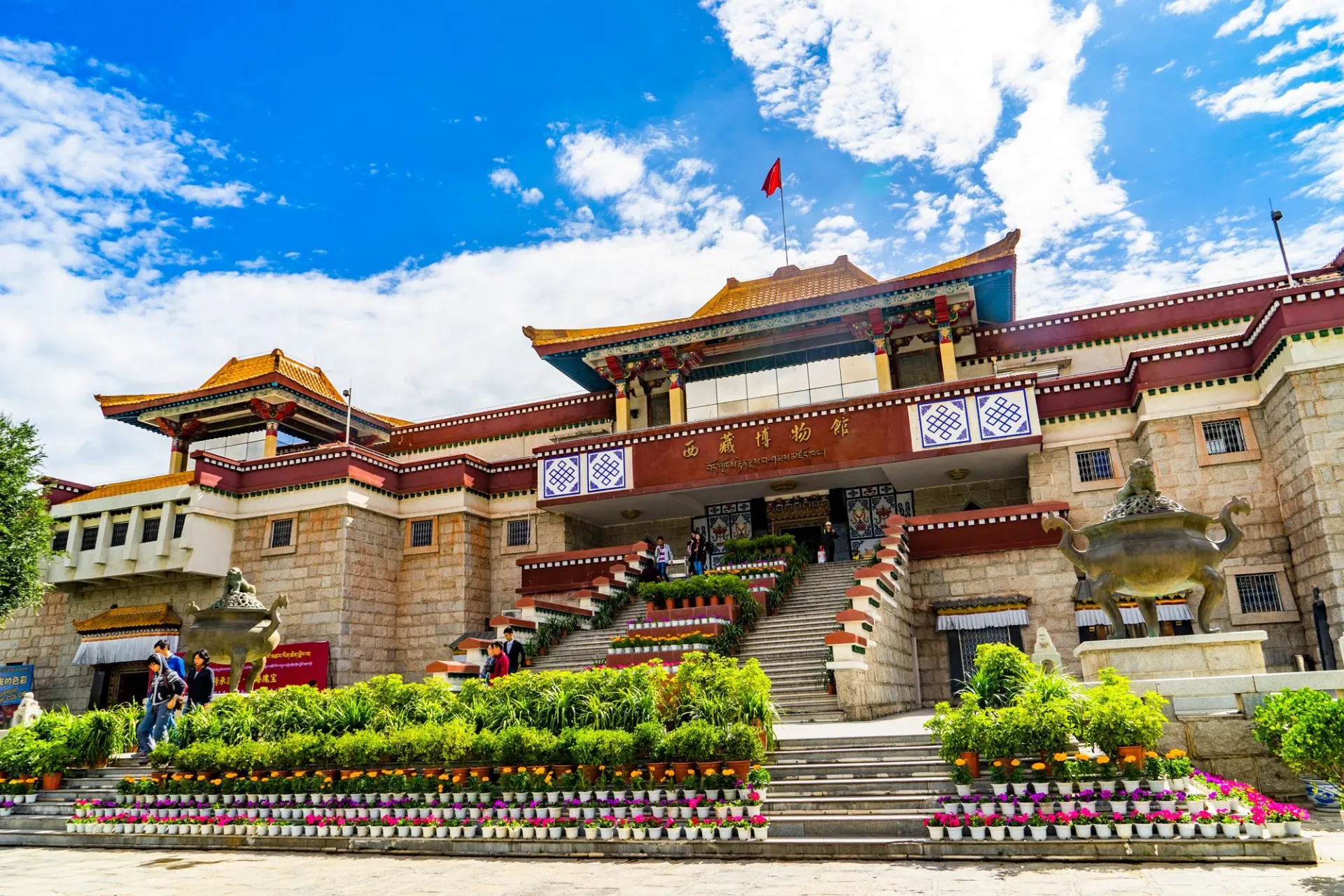
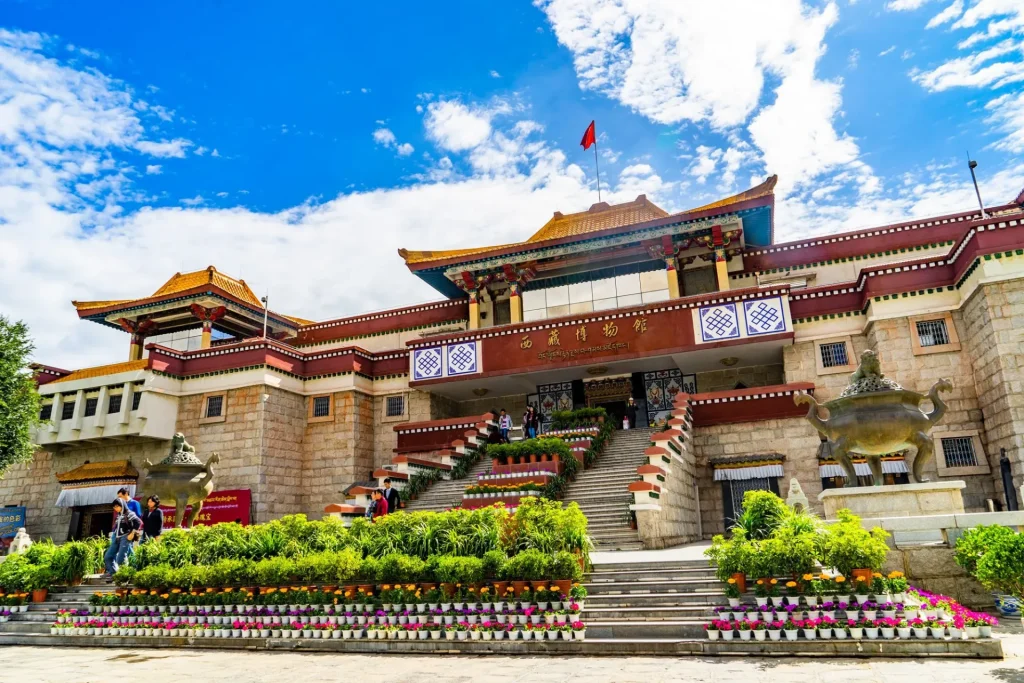
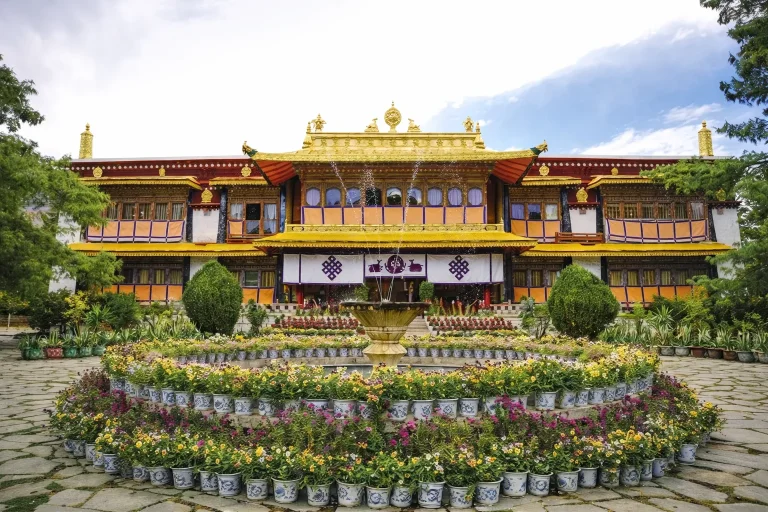
Tibet Museum is the only comprehensive national first-class museum in the Tibet Autonomous Region, situated in the heart of Lhasa between the Potala Palace and Norbulingka. The new museum building, fully completed and opened in 2022, is an architectural marvel that seamlessly blends modern design with traditional Tibetan style — featuring one of the largest-span golden rooftops in Tibet, grey stone walls adorned with exquisite Tibetan eaves, columns, and colorful painted decorations.
The museum houses an extraordinary collection of over 520,000 precious artifacts spanning prehistoric cultural relics, exquisite thangka paintings, Tibetan Buddhist statues, ancient gold and silver vessels, rare mineral specimens, and invaluable historical documents from successive dynasties. From the ancient civilizations of the Stone Age to modern social transformations, the museum’s systematic exhibitions trace the complete arc of Tibetan Plateau civilization, offering visitors an unparalleled window into the full breadth of Tibetan culture.
The new museum is celebrated for its “breathing hall” — large expanses of natural-light glass and automatic ventilation skylights make brilliant use of Lhasa’s abundant sunshine, creating exhibition spaces bathed in soft, natural illumination. Interactive multimedia zones allow visitors to experience Tibetan nomadic life, religious rituals, and festival culture in immersive detail. Whether your interests lie in history, art, or ethnography, the Tibet Museum is the ideal starting point for understanding this remarkable highland civilization.
↺ History
The Tibet Museum was officially inaugurated in 1999 as a landmark project commemorating the 40th anniversary of democratic reform in Tibet, and it was the region’s first museum equipped with modern facilities and functions. The original building featured a dignified traditional Tibetan architectural style with a symmetrical central axis, covering approximately 54,000 square meters.
As the collection grew and visitor demand increased, a major expansion project was launched in 2017. The new museum was completed and opened free to the public in 2022, with a total floor area of 65,000 square meters — more than three times the size of the original building. The expansion preserved the old museum building (now renamed the “Tibet Million Serfs Emancipation Memorial Hall”), connecting old and new structures through covered walkways to form a unified complex. The new building inherits the Tibetan architectural vocabulary of its predecessor while incorporating advanced climate-control systems, rooftop solar thermal arrays, and other modern technologies that bring artifact preservation and exhibition conditions to international standards.
As a National First-Class Museum, the Tibet Museum fulfills three core missions: collection and preservation, academic research, and public education. Among its treasures are national-level artifacts including precious thangkas from the Langse Lin Manor, gold and silver wares from the Tubo Kingdom period, and golden seals and imperial edicts bestowed upon Tibet by the Yuan, Ming, and Qing dynasty central governments — vivid testimonies to Tibet’s long history as an integral part of China.
Recommended Tours
View All
6 Days / 5 Nights ★ 4.8
6 Days Tibet Panorama Tour with Nyingchi, Everest & Namtso
3 Days / 2 Nights ★ 4.8
3 Days Nyingchi Grand Canyon & Basum Tso Tour
3 Days / 2 Nights ★ 4.8
3 Days Everest Base Camp Tour from Lhasa
How To Get There
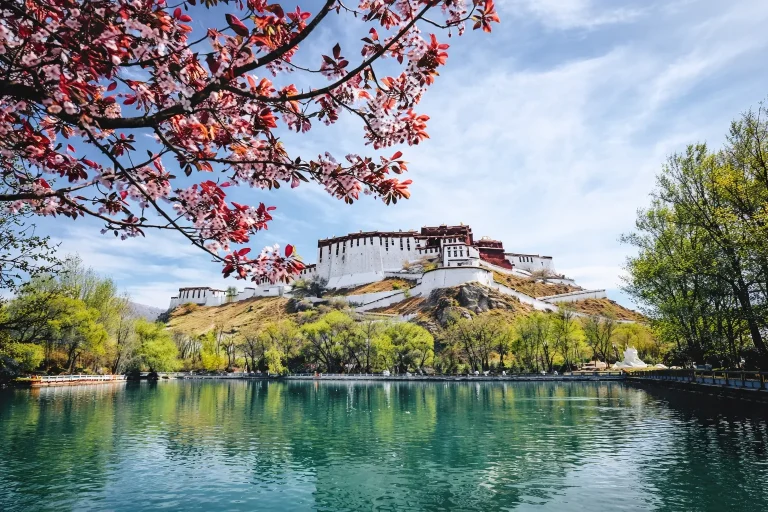
The Tibet Museum is located on Norbulingka Road in the Chengguan District of Lhasa, adjacent to Norbulingka (the Dalai Lama’s Summer Palace) and approximately 1.5 kilometers southwest of the Potala Palace. The museum sits within Lhasa’s core cultural zone, surrounded by rich tourism resources and easily accessible by multiple transportation options.
From the Potala Palace, a pleasant 15-20 minute walk westward along Beijing Middle Road will bring you directly to the museum. Taxis from most city center hotels cost around ¥10 and take about 5 minutes. Public bus routes 1, 2, and 14 stop at Norbulingka Station, from which the museum is just a 3-minute walk. Rideshare apps like Didi are readily available throughout Lhasa. From Lhasa Gonggar Airport (approximately 65 km away), take the airport shuttle bus to the city center and transfer to a local bus or taxi — total journey time is approximately 1.5 to 2 hours.
The museum’s main entrance faces east onto Norbulingka Road. It is highly recommended to visit the Tibet Museum and the adjacent Norbulingka on the same day — spend the morning at the museum to build cultural context, then stroll through Norbulingka in the afternoon to experience the living heritage firsthand. A complete museum visit takes approximately 2-3 hours.
ⓘ Travel Tips
- Best Time to Visit: May through October offers the most pleasant weather for visiting. The museum is open year-round (closed on Mondays), and its indoor exhibitions are unaffected by weather, making it an excellent choice on rainy days or particularly cold ones. Arrive shortly after the 10:00 AM opening to avoid the afternoon crowds.
- Altitude Precautions: At 3,650 meters, the altitude is comparable to central Lhasa. Museum visits are primarily indoors with moderate walking, making this a very newcomer-friendly activity for those who have just arrived — a perfect way to ease into the high-altitude experience with a cultural warm-up in climate-controlled exhibition halls before venturing out to explore temples and mountain passes.
- Visitor Information: Admission is free; a valid ID is required to collect entry tickets. Daily visitor numbers are limited, and during peak season (July-August) advance booking through official channels is recommended. Flash photography is prohibited throughout the museum, and some special exhibition areas may prohibit all photography. Please do not touch exhibits or display cases. Large backpacks and beverages must be checked at the entrance.
- Cultural Experience Tips: Chinese and English guide materials are available inside the museum; following the exhibition route in sequence is recommended. The Thangka Gallery and the Tibetan Buddhist Statuary Hall deserve special attention — these national-treasure-level pieces rarely seen elsewhere provide an extraordinary window into Tibetan religious art. If time permits, the second-floor temporary exhibition halls frequently host high-quality themed exhibitions that should not be missed.
- Practical Tips: The museum features a café and a creative merchandise store with beautifully designed cultural products — an excellent place to find unique souvenirs. Exhibition halls maintain a comfortable, constant temperature, but be mindful of the temperature difference when entering and exiting. Clean public restrooms are available inside. The museum is closed on Mondays, with special arrangements for public holidays — confirm opening information before your visit.
Enjoy Visa-Free Travel To China & Tibet
China has expanded visa-free entry policies for more countries. Our team can help confirm your route, permits, and documents before departure.
Gallery