About Norbulingka
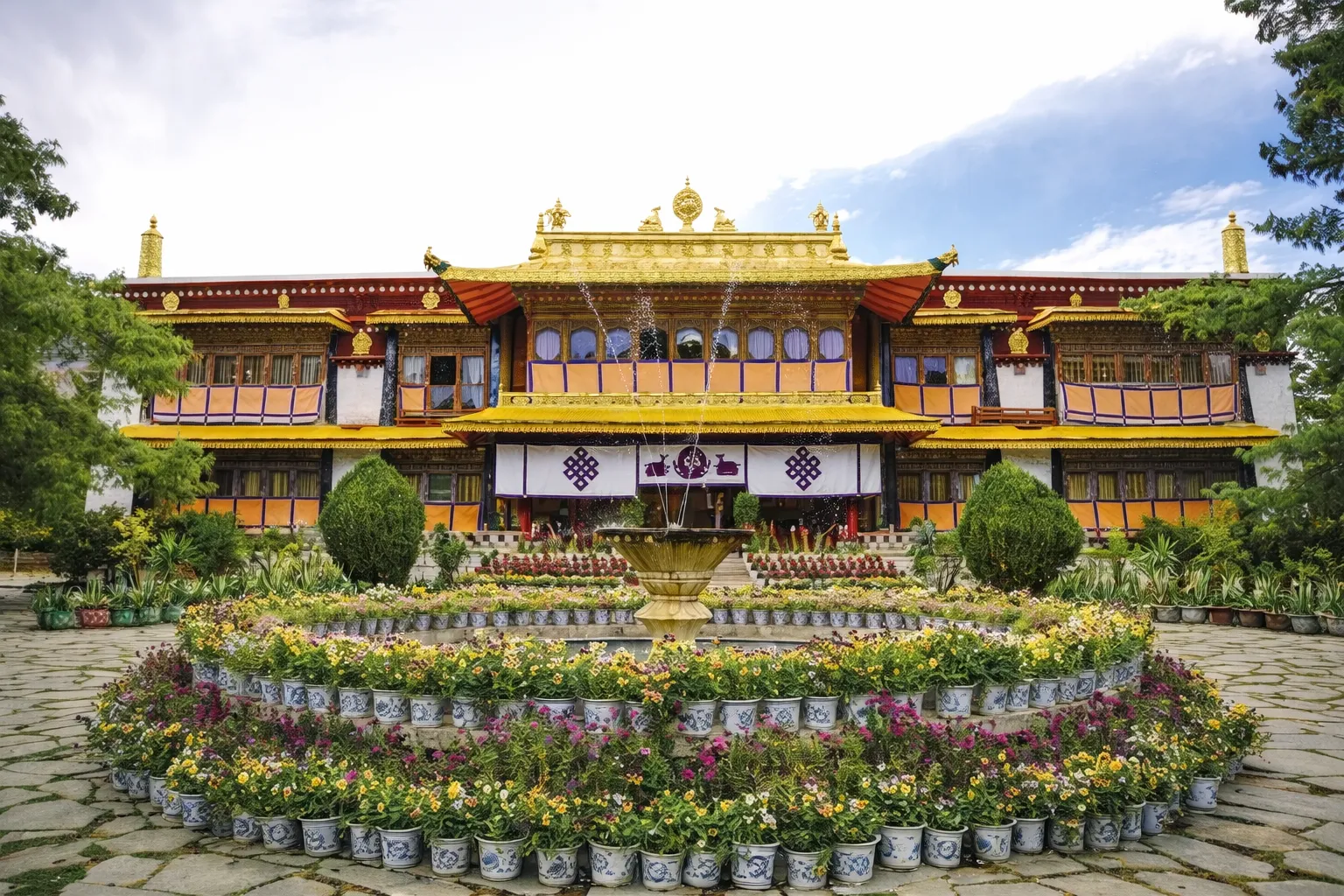
Norbulingka, meaning "The Jewel Park" in Tibetan, is the largest and most beautiful man-made garden in Lhasa and served as the traditional summer palace of successive Dalai Lamas. Covering an impressive 360,000 square...
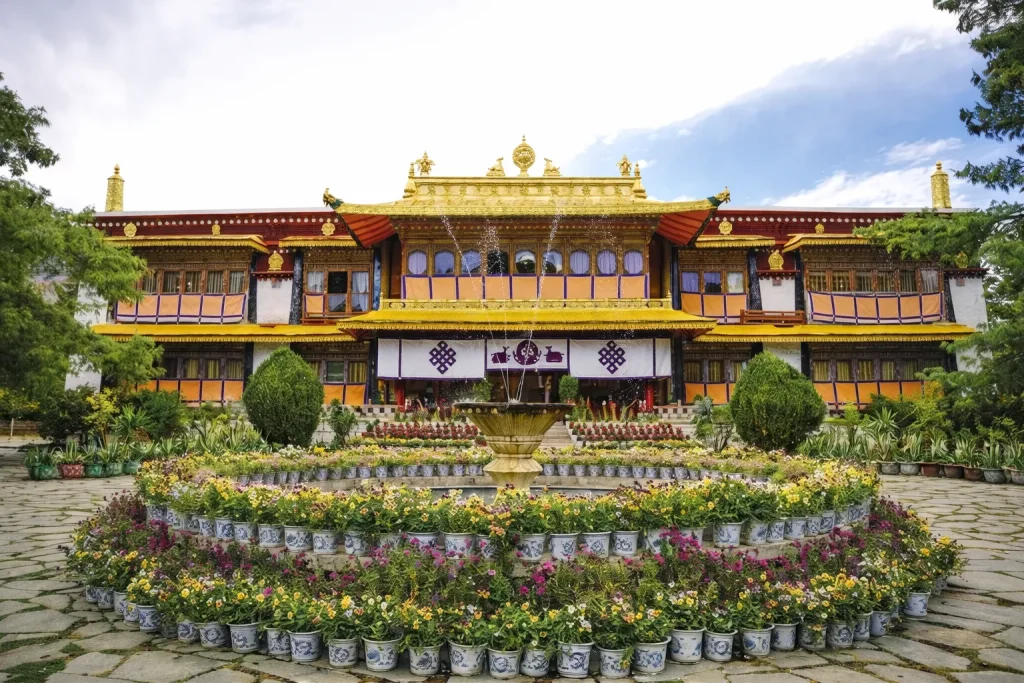
Norbulingka, meaning “The Jewel Park” in Tibetan, is the largest and most beautiful man-made garden in Lhasa and served as the traditional summer palace of successive Dalai Lamas. Covering an impressive 360,000 square meters, this royal garden was first established in 1755 and represents the pinnacle of Tibetan landscape architecture, seamlessly blending palatial buildings, exquisite gardens, and rich religious culture. It was designated a National Key Cultural Heritage Site in 1959 and inscribed as a UNESCO World Heritage Site in 2001.
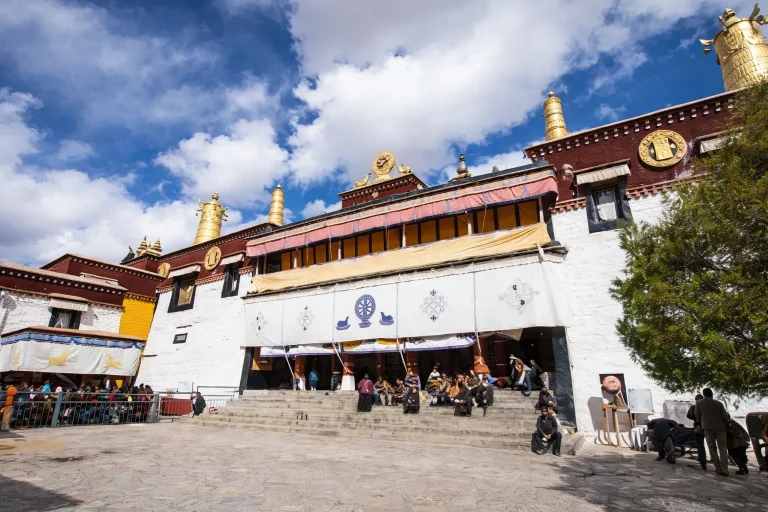
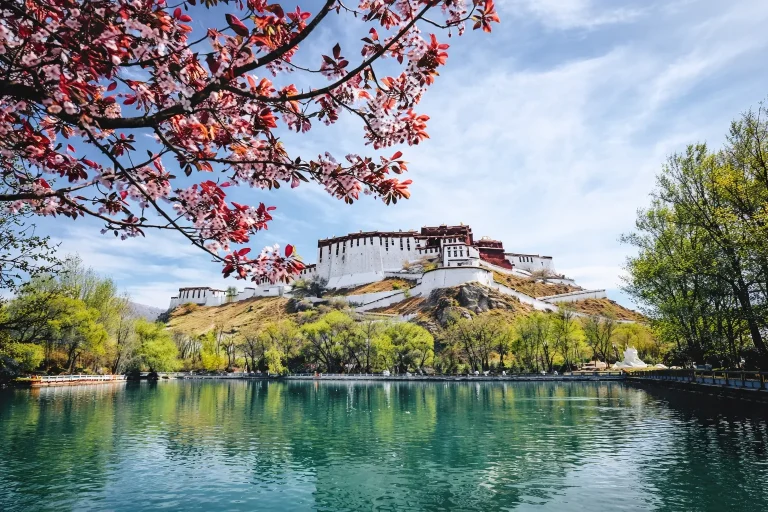
Unlike the imposing grandeur of the Potala Palace winter residence, Norbulingka reveals a more relaxed and refined side of Tibetan royal life. The grounds are lush with towering trees, vibrant flowers, and tranquil ponds, with elegant pavilions and palaces nestled among the greenery. During summer, it transforms into Lhasa’s most beloved recreational retreat, where local families spread carpets beneath the shade of ancient trees, enjoy picnics, sing traditional songs, and dance — offering visitors a wonderfully intimate glimpse into the warmest and most joyful aspects of Tibetan daily life.
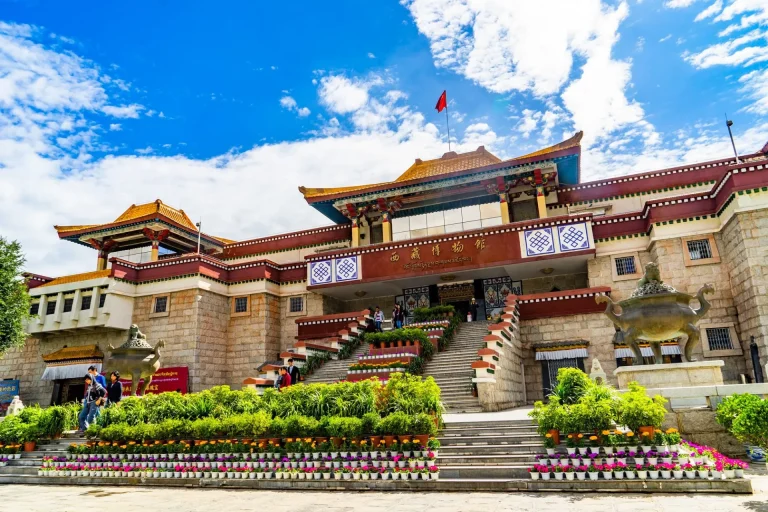
The crown jewel of the complex is the New Palace (Takten Migyur Potrang), built by the 14th Dalai Lama in the 1950s. Its interior houses extraordinary murals that depict Tibetan history, Buddhist narratives, and natural landscapes with breathtaking artistry. These murals masterfully blend traditional Tibetan painting techniques with modern influences and are widely regarded as the last great masterpieces of Tibetan mural art.
↺ History
Norbulingka’s story began with a patch of wild scrubland and a natural hot spring. In 1755, the 7th Dalai Lama, Kelsang Gyatso, who suffered from chronic illness, frequently visited the hot spring for therapeutic bathing. The Qing Dynasty’s imperial representative in Tibet ordered the construction of a small palace beside the spring for the Dalai Lama’s comfort and convenience — this modest structure became the seed from which the entire Norbulingka complex would grow. Over the next two centuries, each successive Dalai Lama from the 7th through the 14th expanded and embellished the grounds, gradually transforming it into a magnificent royal summer retreat.
The 8th Dalai Lama undertook the first major expansion, building the Kelsang Potrang (Sunshine Palace) and establishing the garden’s water features and landscaped grounds. The 13th Dalai Lama added the Golden Potrang in the early 20th century and introduced Tibet’s first electric generator and first automobile to the complex — both of which remain on display today as fascinating artifacts of Tibet’s earliest encounters with modernity. The New Palace, built by the 14th Dalai Lama, represents the architectural pinnacle of Norbulingka and was the last major structure added to the complex.
Norbulingka holds a uniquely special place in the Tibetan heart — it is not merely a symbol of religion and politics, but a concentrated expression of Tibetan secular culture and aesthetic sensibility. Every year during the Shoton Festival (Yogurt Festival), Norbulingka hosts grand Tibetan opera performances and celebrations, drawing tens of thousands of Lhasa residents into the park to continue traditions that have endured for centuries. In 2001, Norbulingka was inscribed on the UNESCO World Heritage List as an extension of the Potala Palace historic ensemble.
Recommended Tours
View All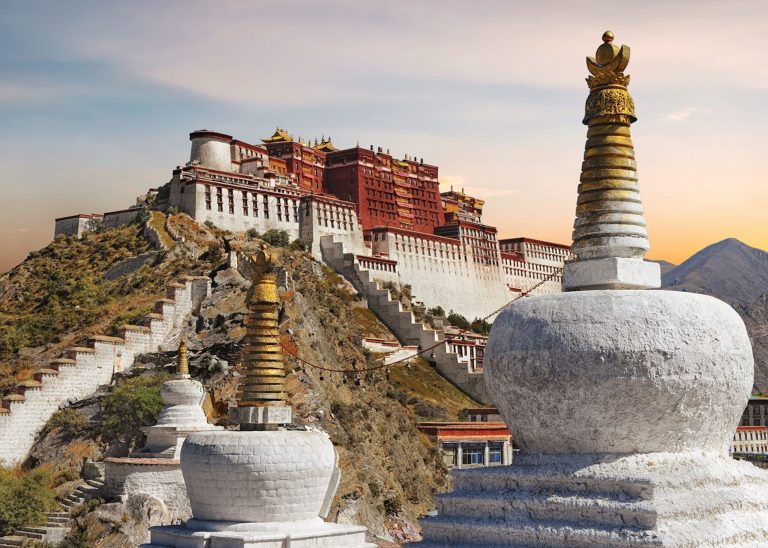
6 Days / 5 Nights ★ 4.8
6 Days Tibet Panorama Tour with Nyingchi, Everest & Namtso
3 Days / 2 Nights ★ 4.8
3 Days Nyingchi Grand Canyon & Basum Tso Tour
3 Days / 2 Nights ★ 4.8
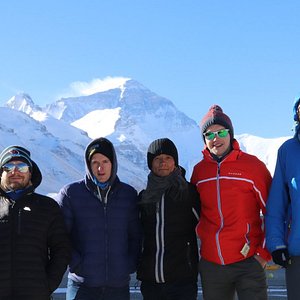
3 Days Everest Base Camp Tour from Lhasa
How To Get There
Norbulingka is located on Norbulingka Road in the Chengguan District of Lhasa, in the western part of the city center, approximately 2 kilometers southwest of the Potala Palace. The garden borders the Lhasa River to the south and Minzu Road to the north, enjoying an excellent central location with very convenient access.
From the Potala Palace, a pleasant 20-25 minute walk westward along Beijing Middle Road will bring you to the entrance, passing through Lhasa’s busiest commercial district along the way. Taxis from most city center hotels cost around ¥10 and take about 5 minutes. Public bus routes 1, 2, and 14 all stop at Norbulingka. Cycle rickshaws offer a fun and traditional way to reach the park, typically costing ¥10-15. From Lhasa Gonggar Airport (approximately 65 km away), take the airport shuttle bus to the city center, then transfer to a local bus or taxi — total journey time is approximately 1.5 to 2 hours.
The main entrance faces east onto Norbulingka Road. It is recommended to enter through the main gate and explore from east to west, visiting the Kelsang Potrang, Golden Potrang, and New Palace in sequence. A complete walking tour of the grounds takes approximately 2-3 hours.
ⓘ Travel Tips
- Best Time to Visit: June through September is the ideal time to visit Norbulingka, when the gardens are in full bloom and the trees provide wonderful shade — truly living up to its name as "The Jewel Park." A visit during the Shoton Festival (typically late August to early September) is particularly recommended, as the park comes alive with grand Tibetan opera performances and a festive atmosphere. During winter (November to March), some areas of the park may be closed, and the bare trees diminish the scenic appeal.
- Altitude Precautions: At 3,650 meters, the altitude is comparable to central Lhasa. The park is quite large and requires considerable walking, so it is advisable to spend 1-2 days acclimatizing in Lhasa before visiting. Carry drinking water, walk at a relaxed pace, and take breaks often. The grounds have numerous pavilions and benches where you can sit and rest.
- Cultural Etiquette: Remove your hat and maintain silence when entering the palace buildings. The interior murals and artifacts are extremely precious — touching is strictly prohibited. Photography is forbidden inside some palace halls; please observe all posted signs. If you encounter Tibetan pilgrims performing kora within the grounds, please show respect and give them space.
- Photography Tips: Norbulingka's garden landscapes are exceptionally photogenic. Lighting is best between 10:00 AM and 2:00 PM. The exterior of the New Palace and the park's lakes and flower gardens offer the finest compositions. Autumn (September to October), when the leaves turn golden against the backdrop of Tibetan architecture, creates a stunning color contrast and is considered the golden period for photography.
- Practical Tips: The grounds are extensive, so wear comfortable walking shoes. Lhasa's summer sun is intense — bring sunscreen, a sun hat, and sunglasses. Small shops and rest areas are available within the park, and you are welcome to bring your own food for a picnic on the lawns, which is a beloved local tradition. Entry to the interior of the New Palace requires an additional ticket (approximately ¥10).
Enjoy Visa-Free Travel To China & Tibet
China has expanded visa-free entry policies for more countries. Our team can help confirm your route, permits, and documents before departure.
Gallery