About Barkhor Street
Barkhor Street is the oldest and most sacred kora (circumambulation) route in Lhasa, and Tibet's most iconic street. This octagonal ancient road encircling the Jokhang Temple boasts over 1,300 years of history and ser...
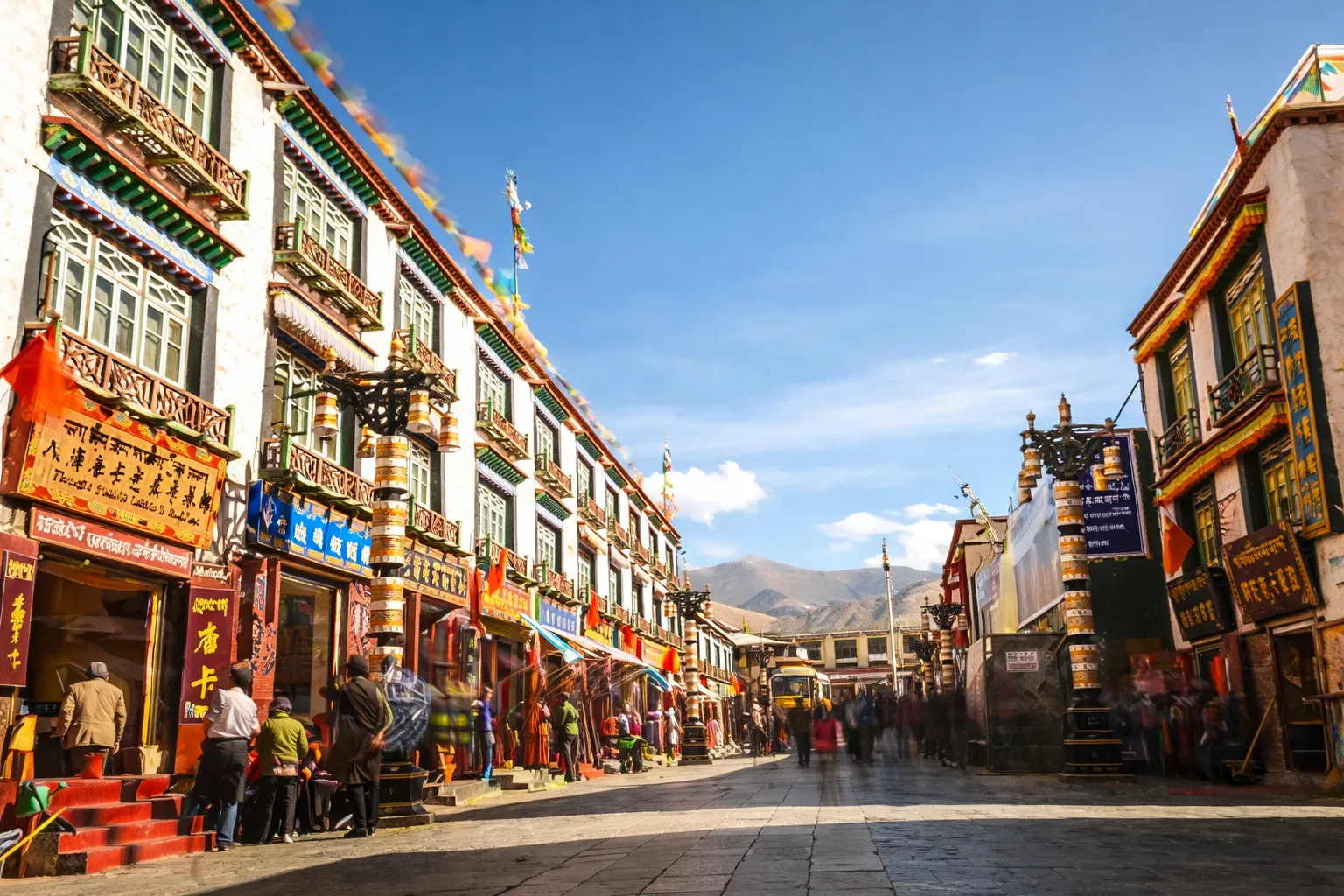
Barkhor Street is the oldest and most sacred kora (circumambulation) route in Lhasa, and Tibet’s most iconic street. This octagonal ancient road encircling the Jokhang Temple boasts over 1,300 years of history and serves as the essential pilgrimage path where countless Tibetan devotees walk clockwise in prayer, day after day. From dawn to dusk, pilgrims clad in traditional Tibetan robes walk slowly along this ancient street, prayer wheels spinning in hand, chanting the sacred six-syllable mantra — a scene unchanged for a millennium and one of the world’s most moving religious spectacles.
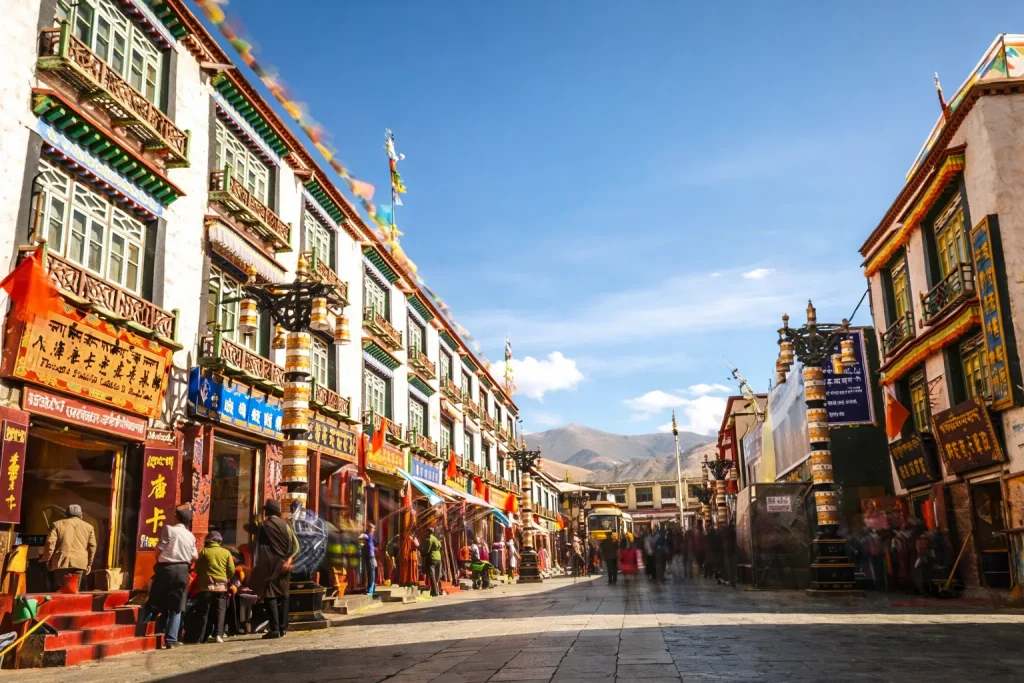
Yet Barkhor Street is far more than a religious path. It is simultaneously Lhasa’s most vibrant commercial center and cultural hub. Hundreds of shops line both sides of the street, selling exquisite thangka paintings, handcrafted silver jewelry, turquoise gems, Tibetan incense, cashmere shawls, and an array of Tibetan handicrafts. The air is rich with the scent of butter tea and Tibetan incense, accompanied by the calls of vendors and the quiet murmur of pilgrims. The ancient flagstone road teems with people — faith and daily life coexist here in the most harmonious way imaginable.
Strolling along Barkhor Street, you will pass several historic noble residences and small temples, each carved wooden door potentially concealing a legendary tale. The area preserves Lhasa’s most complete collection of traditional Tibetan architecture — white walls, black window frames, and colorful prayer flags compose an exquisite highland cityscape.
↺ History
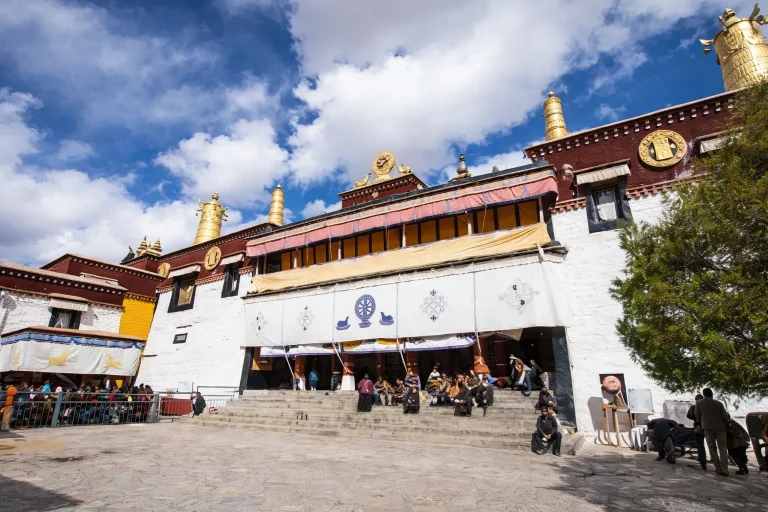
The history of Barkhor Street is inseparable from the Jokhang Temple. In 647 AD, Songtsen Gampo, emperor of the Tubo Dynasty, built the Jokhang Temple to house the precious Jowo Shakyamuni statue — a life-sized image of the 12-year-old Buddha brought from Chang’an by Princess Wencheng. After the temple’s completion, pilgrims flocked to the site, and the circumambulation path around the Jokhang gradually took shape — this was the genesis of Barkhor Street. “Barkhor” means “middle circumambulation route” in Tibetan, distinguishing it from the inner route (“Nangkhor”) around the temple’s main hall and the outer route (“Lingkhor”) around old Lhasa.
As pilgrims increased in number, commercial activity naturally arose along both sides of the Barkhor. By the 11th-12th centuries, it had developed into Lhasa’s most important commercial district. The Kashag government of successive Dalai Lamas established administrative offices here, and many noble families built grand mansions along the route. In the 18th century, one of Lhasa’s oldest sweet tea houses was established at the southeastern corner of Barkhor Street — still operating today as a living fossil of old Lhasa’s urban culture.
In recent years, the Lhasa municipal government has undertaken careful conservation and restoration of the Barkhor district, improving infrastructure while preserving the traditional Tibetan architectural character. In 2012, the Barkhor Historic District was designated as a Famous Historical and Cultural Street of China. Today, Barkhor Street is both a core component of a National 5A-rated scenic area and the place that travelers worldwide consider most representative of Tibet’s soul.
Recommended Tours
View All
6 Days / 5 Nights ★ 4.8
6 Days Tibet Panorama Tour with Nyingchi, Everest & Namtso
3 Days / 2 Nights ★ 4.8
3 Days Nyingchi Grand Canyon & Basum Tso Tour
3 Days / 2 Nights ★ 4.8
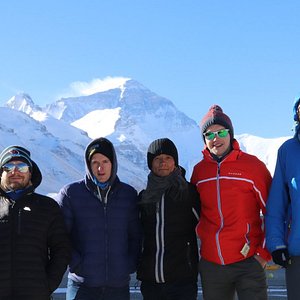
3 Days Everest Base Camp Tour from Lhasa
How To Get There
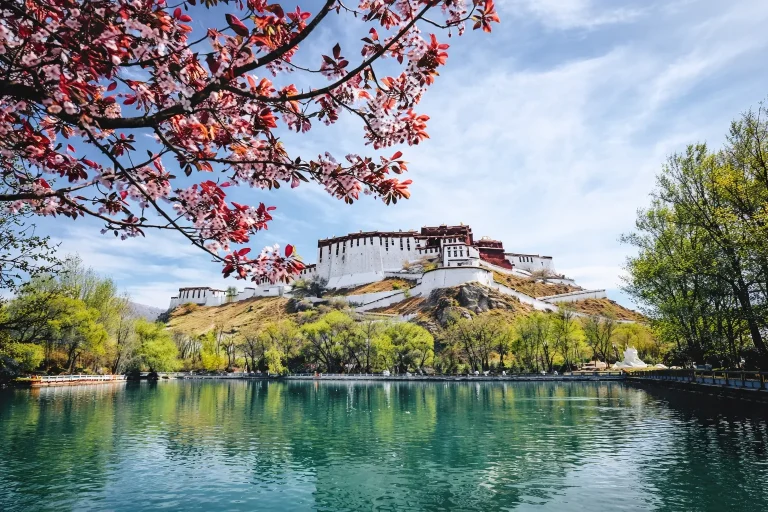
Barkhor Street is located in the heart of old Lhasa’s Chengguan District, forming a roughly 1-kilometer loop around the Jokhang Temple. It is approximately 1.5 kilometers east of the Potala Palace, about a 15-20 minute walk.
From the Potala Palace, walk eastward along Beijing East Road to reach the western entrance of Barkhor Street. Taxis from most city hotels cost around ¥10. Bus routes 7, 8, and 20 have stops near Jokhang Square. Note that Barkhor Street and its surrounding area is a pedestrian zone — vehicles cannot enter, so the final approach must always be on foot.
It is recommended to enter from the western entrance and walk clockwise (following the pilgrim circumambulation direction) for a complete circuit. One loop takes approximately 30-40 minutes, but if you stop to shop, photograph, and explore the alleys, you can easily spend half a day here.
ⓘ Travel Tips
- Best Time to Visit: Barkhor Street can be visited year-round. May through October offers the most pleasant weather. Early morning (7:00-9:00 AM) is the best time to experience the pilgrim atmosphere — this is when devotees are most concentrated, creating a scene of profound devotion. Shops begin opening after 10:00 AM, and the street becomes lively and bustling. At dusk, the setting sun bathes the ancient flagstones in golden light, creating a serene and romantic atmosphere.
- Altitude Precautions: At 3,650 meters, the terrain is flat and walking intensity is low, but please take it slow. If it's your first day in Lhasa, consider sitting down in one of the street's sweet tea houses for a cup of tea and a leisurely acclimatization session.
- Cultural Etiquette: Always walk clockwise — this is the Tibetan Buddhist circumambulation direction, and walking counter-clockwise is considered disrespectful. Prayer wheels along the route should also be spun clockwise. Please politely ask permission before photographing pilgrims. When entering temples along the street, remove your hat, maintain silence, and do not touch Buddhist statues.
- Shopping Tips: Barkhor Street is a wonderful place to purchase Tibetan handicrafts, but bargaining is essential — initial asking prices are typically 2-3 times the actual value. Thangkas, turquoise jewelry, Tibetan silver accessories, and handmade cashmere shawls are the most popular souvenirs. Be discerning about authenticity, and purchase valuable items from reputable, established shops.
- Practical Tips: Security checkpoints are located at Barkhor Street entrances; please carry valid identification. Public restrooms are available within the district. Several traditional sweet tea houses and Tibetan restaurants line the streets — a cup of sweet tea costs just a few cents and is highly recommended. Keep personal belongings secure in crowded areas.
Enjoy Visa-Free Travel To China & Tibet
China has expanded visa-free entry policies for more countries. Our team can help confirm your route, permits, and documents before departure.
Gallery