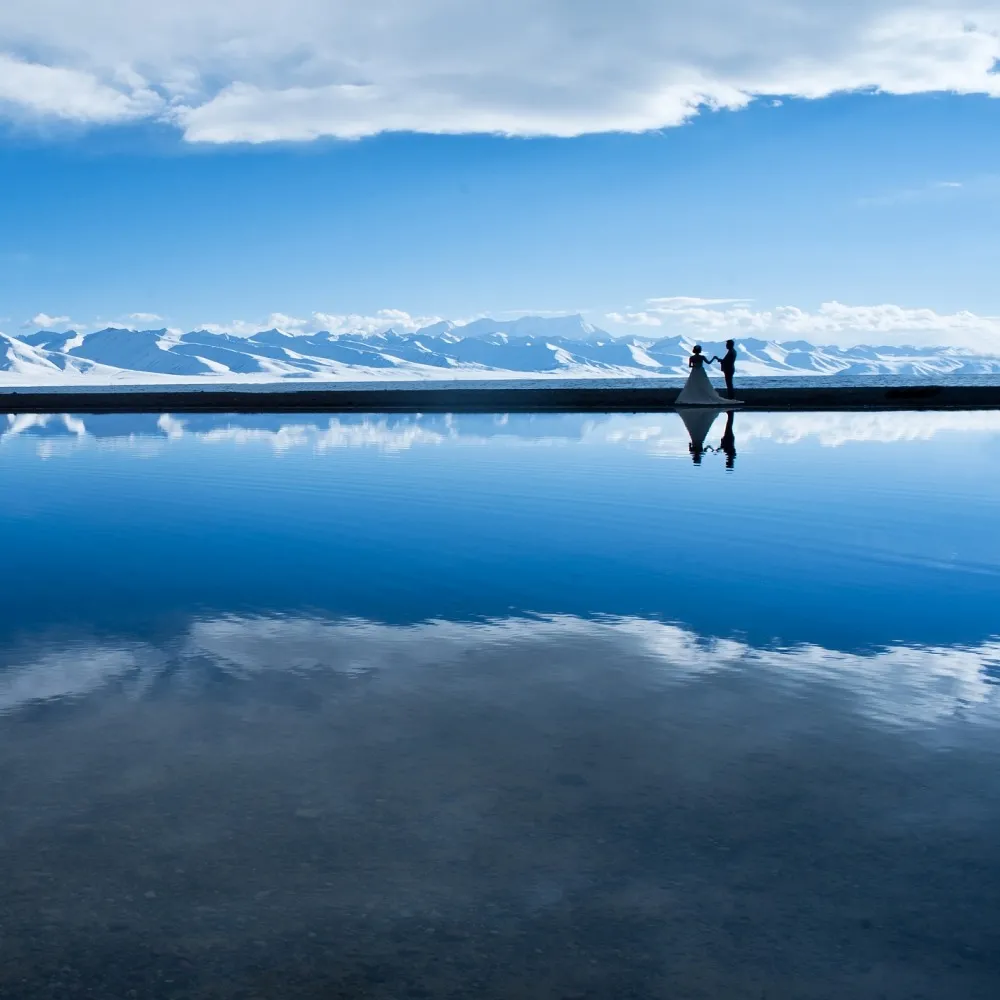
About Shuanghu
Shuanghu, located in Shuanghu County of the Nagqu Prefecture, is the highest county-level administrative district in China, with an average elevation of approximately 4,900 meters. The name "Shuanghu" (meaning "Twin L...
Shuanghu, located in Shuanghu County of the Nagqu Prefecture, is the highest county-level administrative district in China, with an average elevation of approximately 4,900 meters. The name “Shuanghu” (meaning “Twin Lakes”) derives from two adjacent highland lakes—Kangmu Ru Lake and Rejiao Lake—situated near the county seat. Positioned at the very edge of the Changtang uninhabited zone, Shuanghu represents the final frontier between human civilization and extreme wilderness. The county covers an enormous area of approximately 120,000 square kilometers (roughly the size of Zhejiang Province), yet sustains a permanent population of barely over 10,000, making it one of the least densely populated regions in China.
The most significant natural attraction within Shuanghu is the Purog Kangri Glacier, the largest glacier mass on Earth outside of the polar regions, covering approximately 422 square kilometers. The glacier surface features spectacular ice towers, ice caves, and crevasses that refract an ethereal blue glow under sunlight, creating an extraordinarily dramatic visual spectacle. Additionally, Shuanghu County contains numerous highland lakes and vast stretches of desert steppe. It serves as one of the most critical habitats for rare wildlife including Tibetan antelopes (chiru), Tibetan wild asses (kiang), and wild yaks, earning the area the reputation as a “paradise for wild animals.”
↺ History
Shuanghu County has a relatively brief administrative history. Prior to the 1970s, this region was essentially uninhabited wilderness. In 1976, the Tibet Autonomous Region government organized the relocation of herders from other counties in Nagqu to this area, establishing the Shuanghu Administrative Office to begin developing and managing this extreme high-altitude frontier. In 2012, Shuanghu was officially upgraded from a special administrative zone to a full county, formally becoming the highest county in China.
The deeper Changtang interior where Shuanghu is located historically fell within the cultural sphere of the ancient Zhang Zhung civilization and the Bon religion. Before modern times, only scattered nomadic groups briefly visited these harsh lands for summer grazing. The Purog Kangri Glacier was first systematically studied and measured by glaciologists from the Chinese Academy of Sciences around 2000, and its status as the world’s third-largest ice body was subsequently confirmed by the international scientific community. In recent years, due to global warming and ecological conservation needs, the Chinese government has initiated a large-scale ecological relocation program for Shuanghu, with some residents already relocated to lower-altitude areas such as Shannan (Lhoka) Prefecture. This historic migration aims to reduce the pressure of human activity on the fragile ecosystem of the core Changtang region.
Recommended Tours
View All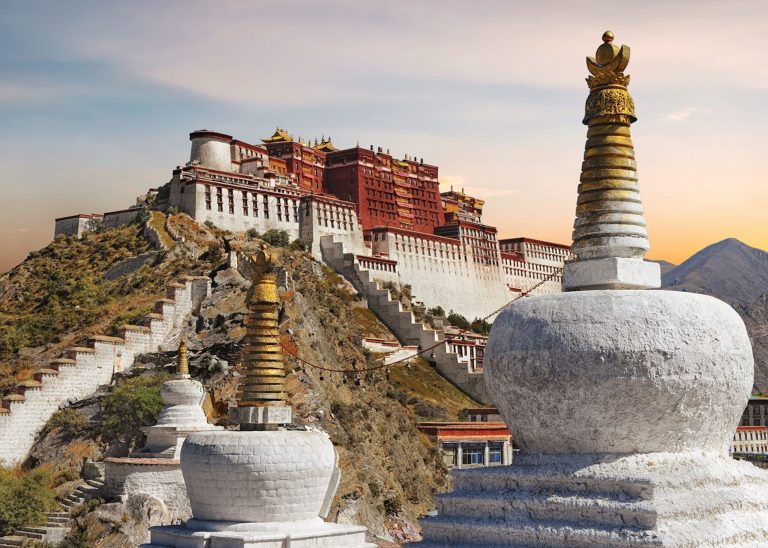
6 Days / 5 Nights ★ 4.8
6 Days Tibet Panorama Tour with Nyingchi, Everest & Namtso
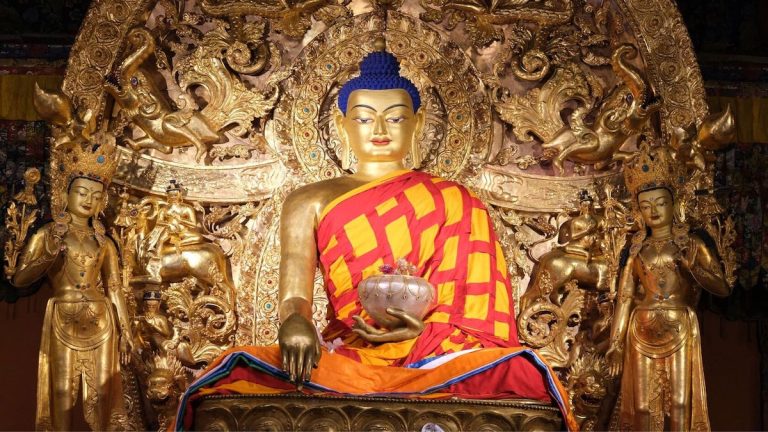
3 Days / 2 Nights ★ 4.8
3 Days Nyingchi Grand Canyon & Basum Tso Tour
3 Days / 2 Nights ★ 4.8
3 Days Everest Base Camp Tour from Lhasa
How To Get There
Shuanghu County is located in the northwestern part of Nagqu Prefecture, approximately 560 kilometers from Nagqu city and about 900 kilometers from Lhasa. From Lhasa, the typical route proceeds north along the G109 National Highway to Nagqu, then westward along the G317 National Highway or local roads through Bangge County and Nyima County toward Shuanghu. The total journey requires approximately 2 to 3 days of driving, with overnight stops recommended in Nagqu and either Bangge or Nyima.
Road conditions to Shuanghu are generally challenging. The Nagqu-to-Bangge section follows a paved national highway in reasonable condition, while portions of the Bangge-to-Shuanghu section consist of dirt roads and basic surfaces that may become muddy or waterlogged during the rainy season. A reliable four-wheel-drive vehicle operated by an experienced driver is strongly recommended throughout. Shuanghu county town offers a small number of guesthouses and restaurants providing basic accommodation and meals under relatively simple conditions. The Purog Kangri Glacier is located approximately 90 kilometers from the county seat, requiring separate vehicle arrangements to visit.
ⓘ Travel Tips
- Extreme High Altitude Risk: Shuanghu county town sits at approximately 4,900 meters, while the Purog Kangri Glacier area exceeds 5,500 meters. This is one of the highest tourist destinations in Tibet, carrying an extremely high risk of altitude sickness. It is recommended to acclimatize in Lhasa for at least 3 to 4 days, followed by 1 to 2 additional days in Nagqu before proceeding. Adequate oxygen equipment and altitude sickness medication must be carried at all times. If severe symptoms develop, immediately return to lower elevations.
- Extreme Climate Conditions: Shuanghu experiences severe cold year-round, with average annual temperatures below zero degrees Celsius. Even at the peak of summer in July and August, maximum daytime temperatures typically reach only 5 to 10 degrees Celsius, while nighttime temperatures can plunge below minus 10 degrees. Strong winds blow persistently throughout the year. The highest-grade cold-weather gear is essential (expedition down jacket, thermal base layers, insulated gloves, neck gaiter, etc.).
- Supplies and Communications: Basic necessities can be purchased in Shuanghu county town, though selection is extremely limited and prices are notably higher. All necessary supplies should be fully stocked in Nagqu or earlier towns before departure. Basic mobile phone signal exists in the county town, but coverage essentially disappears once you leave town and enter the wilderness.
- Glacier Visit Notice: If planning to visit the Purog Kangri Glacier, inquire about current access policies in advance. Due to ecological conservation measures, the glacier area may be subject to restricted or prohibited access. When visiting the glacier, entry into crevasse zones is strictly forbidden; all observation and photography must be conducted from a safe distance.
Enjoy Visa-Free Travel To China & Tibet
China has expanded visa-free entry policies for more countries. Our team can help confirm your route, permits, and documents before departure.
Gallery