About Peiku Tso
Peiku Tso (also spelled Paiku Tso) is the largest alpine lake in the Shigatse region, covering a staggering 300 square kilometers across the vast, windswept wilderness of Nyalam County. Lying at an imposing altitude o...
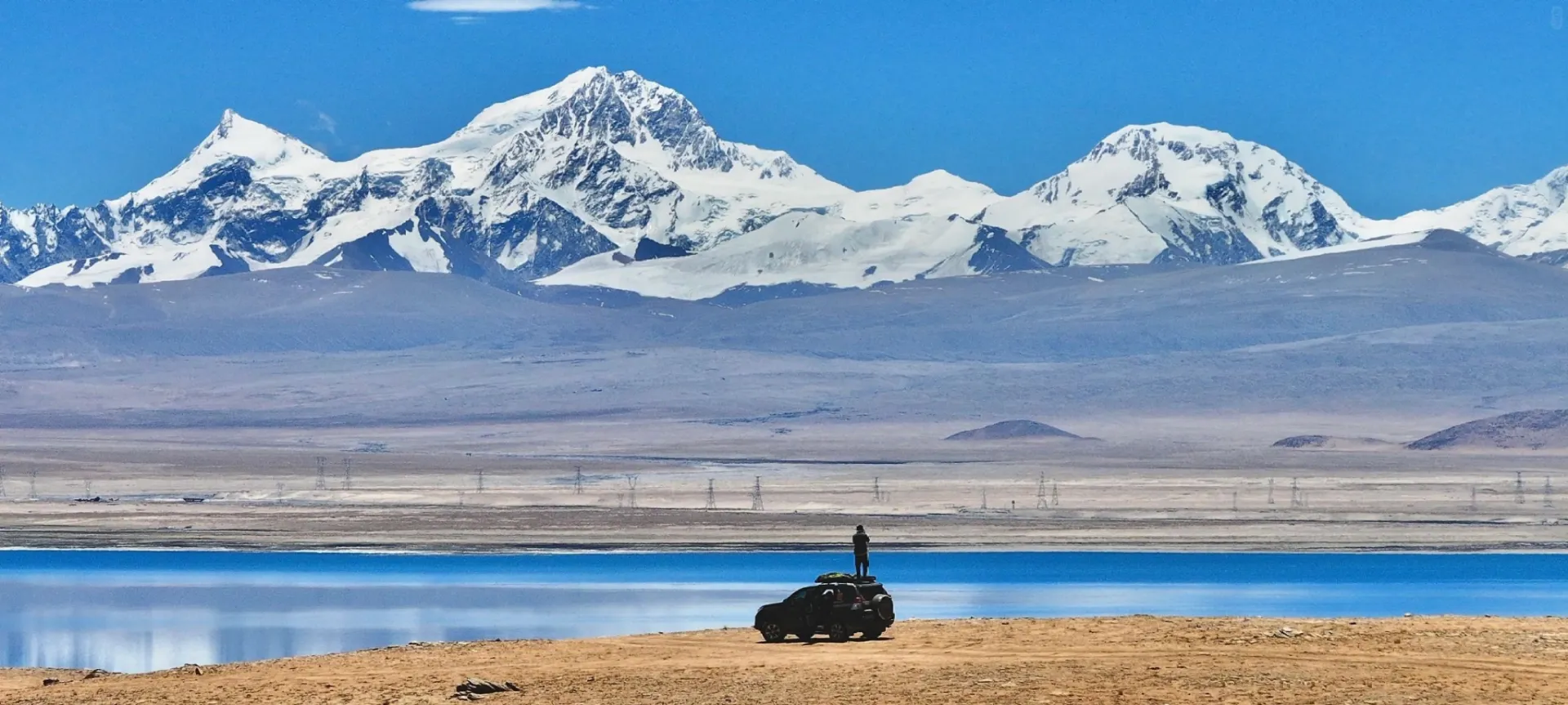
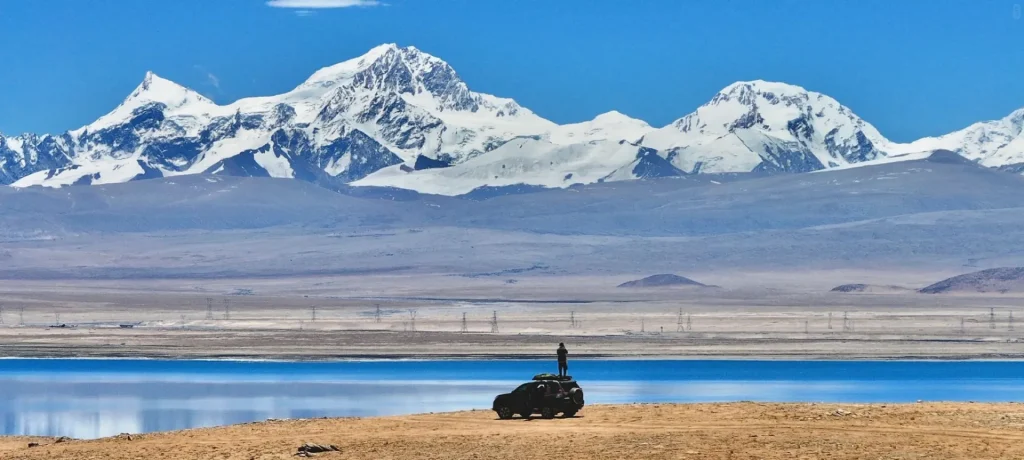
Peiku Tso (also spelled Paiku Tso) is the largest alpine lake in the Shigatse region, covering a staggering 300 square kilometers across the vast, windswept wilderness of Nyalam County. Lying at an imposing altitude of 4,590 meters, it is situated far away from the bustling crowds of classic scenic routes like Namtso or Yamdrok. The beauty of Peiku Tso is stark, primal, and unapologetically brutal—a deep, enormous expanse of sapphire-blue water fiercely contrasting against endless, barren, earth-toned mountains and the limitless horizon of the western Tibetan plateau.
The lake’s absolute claim to global fame lies in its flawless, mirror-like relationship with Mount Shishapangma (8,027 meters). As the 14th highest peak in the world and the only 8,000-meter monolith situated entirely within the borders of China, Shishapangma dominates the southern skyline. On calm days, the colossal, snow-and-ice-covered pyramid of the mountain is perfectly reflected on Peiku Tso’s tranquil azure surface, creating one of the most spellbinding, iconic, and intensely photographed vistas in the entire Himalayas.
Surrounding this massive tectonic depression is a sprawling high-altitude desert steppe. This desolate, completely unpopulated terrain serves as a critical, undisturbed sanctuary for rare Tibetan wildlife. It is incredibly common to witness large, wild herds of Tibetan wild asses (Kiangs), graceful Tibetan gazelles, and soaring black-necked cranes roaming freely along the surreal shores of the lake.
↺ History
Geologically, Peiku Tso is an ancient, landlocked fault lake, forged millions of years ago during the violent, unstoppable tectonic uplift of the Himalayas. Because of its extreme isolation, locked behind formidable mountain barriers, the lake has managed to preserve a pristine, entirely unpolluted prehistoric ecosystem that has thrived for millennia.
Scientifically, Peiku Tso exhibits a highly bizarre and fascinating “dual personality.” It is a massive basin where two entirely different water compositions coexist. The southern section, constantly fed by the pure, melting glacial rivers cascading down from Mount Shishapangma, consists of fresh, sweet water that supports local flora and fish. However, the vast northern expanse of the lake, subjected to immense evaporation in the closed basin, has evolved into a highly alkaline, lifeless saltwater environment. This rare “one lake, two faces” geological phenomenon makes it an invaluable site for ecological research.
In ancient times, long before the advent of paved roads, the shores of Peiku Tso served as vital, life-sustaining summer grazing grounds for the tough nomadic tribes of the deep Tsang region. The treacherous, unpaved trails skirting the lake were also historical lifelines for intrepid Tibetan merchants and yak caravans, who braved freezing blizzards to transport heavy loads of salt and wool toward the ancient trading outposts of Nepal.
Recommended Tours
View All
3 Days / 2 Nights ★ 4.8
3 Days Everest Base Camp Tour from Lhasa
6 Days / 5 Nights ★ 4.8
6 Days Tibet Panorama Tour with Nyingchi, Everest & Namtso
3 Days / 2 Nights ★ 4.8
3 Days Nyingchi Grand Canyon & Basum Tso Tour
How To Get There
Peiku Tso is located deep within Nyalam County, Shigatse Prefecture, essentially in the middle of a phenomenal nowhere. Geographically, it sits roughly 250 kilometers west of Tingri (the gateway to Mount Everest) and about 60 kilometers north of the Nepalese border town of Gyirong (Kyirong).
For the vast majority of travelers, visiting Peiku Tso represents a hardcore, advanced overland expedition. It is typically incorporated as a breathtaking detour or natural extension on two major routes: the epic “Ngari South Line” looping toward the sacred Mount Kailash in far western Tibet, or as a spectacular final landmark for those driving south to the Gyirong Port to cross internationally into Nepal.
The meticulously paved National Highway 219 (G219, part of the legendary Xinjiang-Tibet Highway) perfectly skirts the eastern and southern edges of the lake. While the driving surface itself is remarkably smooth and modern, the environment you drive through is an exceptionally desolate, high-altitude wilderness. Driving from the Everest Base Camp region to Peiku Tso requires at least a grueling half-day behind the wheel, traversing stunning but unforgiving terrain utterly devoid of towns or mechanical support.
ⓘ Travel Tips
- Absolute Wilderness and Zero Commercial Facilities: Peiku Tso is an entirely raw, undeveloped wilderness. Along its tens of kilometers of shoreline, there are zero tourist facilities, no restaurants, no convenience stores, and absolutely no public restrooms. You must be completely self-sufficient. Before setting out, you must stockpile your vehicle with substantial, high-calorie food supplies and abundant drinking water , and be mentally prepared to answer nature's call in the great outdoors.
- Bipolar Weather and Lethal Freezing Winds: The weather across the open plateau at 4,590 meters is notoriously volatile and outright violent. Blistering, burning UV sunshine can instantaneously transform into a terrifying, howling blizzard or a savage hailstorm within 15 minutes. Gale-force winds slamming horizontally across the lake are a constant, dangerous threat. Never walk too far from the safety of your vehicle , and ensure you are armored in expedition-level windproof hardshells before stepping out to admire the reflections of Shishapangma.
- Strict Wildlife Non-Interference Rules: As you drive along the G219 around the lake, you will almost certainly encounter herds of wild Tibetan asses (Kiangs) grazing or galloping across the road. It is absolutely strictly forbidden to honk at, chase, or attempt to feed any of these wild animals. Maintain a deeply respectful distance. Do not leave your vehicle to approach them; instead, prepare a high-quality telephoto lens to capture the pure, undisturbed essence of these incredible creatures in their ancient habitat.
Enjoy Visa-Free Travel To China & Tibet
China has expanded visa-free entry policies for more countries. Our team can help confirm your route, permits, and documents before departure.
Gallery