About Namtso Lake
Namtso, meaning "Heavenly Lake" in Tibetan, is one of the three great holy lakes in Tibet and the highest saltwater lake in the world. Nestled within the mighty embrace of the Nyainqentanglha mountain range, it resemb...
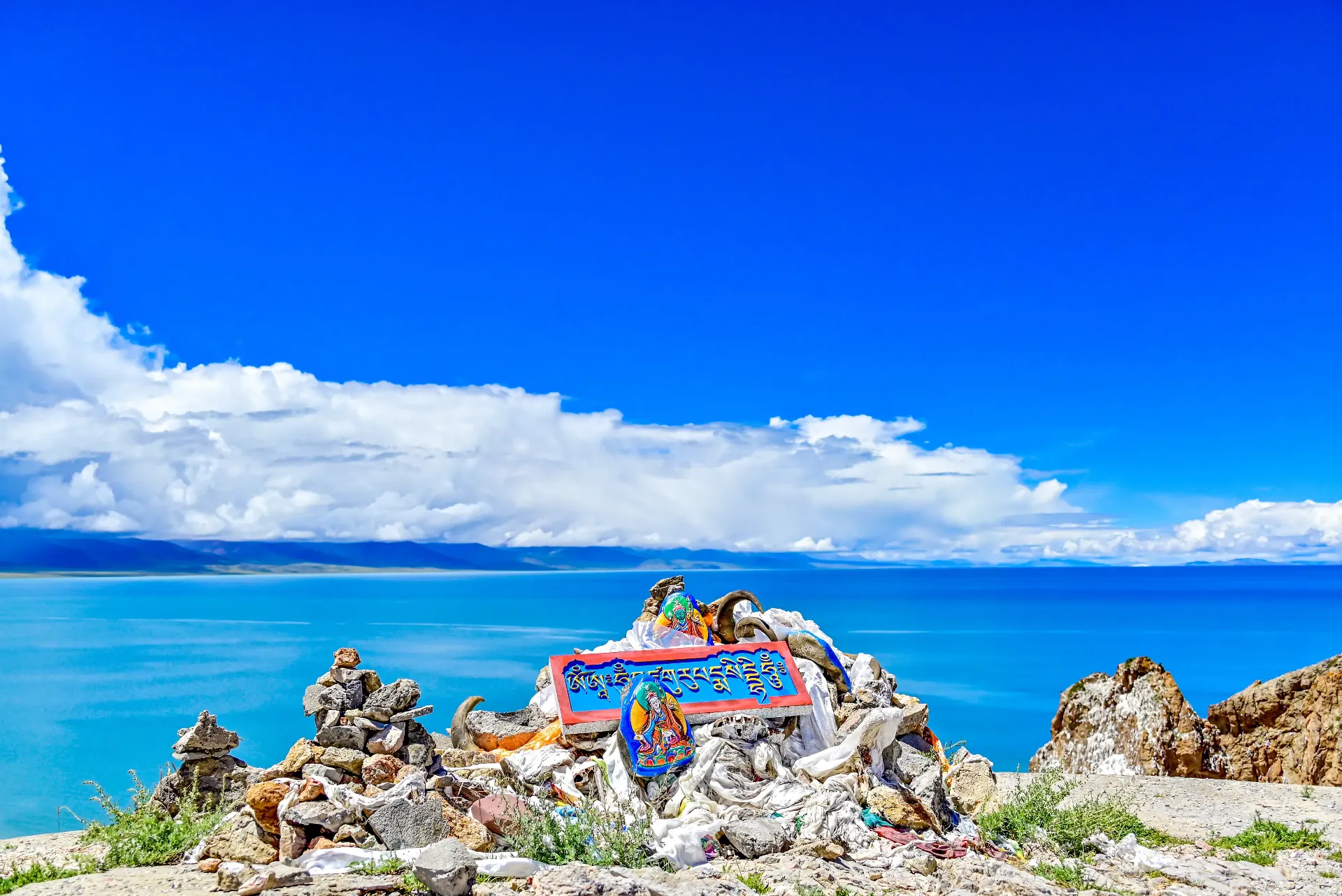
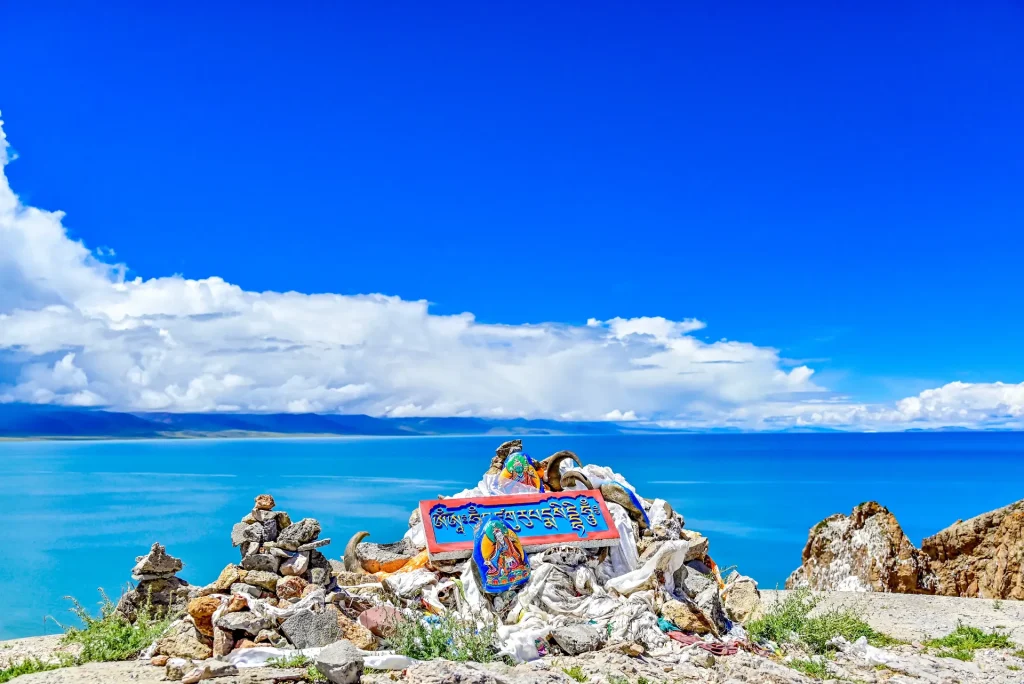
Namtso, meaning “Heavenly Lake” in Tibetan, is one of the three great holy lakes in Tibet and the highest saltwater lake in the world. Nestled within the mighty embrace of the Nyainqentanglha mountain range, it resembles a colossal sapphire set among the highlands. The lake’s impossibly blue waters, combined with the distant snow-clad peaks, the vast azure sky, and drifting white clouds, compose one of the most breathtaking natural panoramas on the entire Qinghai-Tibet Plateau. Anyone who stands on its shore will be profoundly moved by its epic purity and grandeur.
As a renowned sacred site for Tibetan Buddhism, Namtso holds a supreme and unrivaled position in the hearts of believers. Every Tibetan Year of the Sheep, tens of thousands of pilgrims journey from far and wide to circumambulate the lake in prayer, seeking divine blessings. Tashi Peninsula is the core area for visitors, where bizarre rock formations rise from the earth alongside countless mani stone cairns and a sea of colorful prayer flags. The crisp highland air carries the fluttering sound of prayer flags and the soft murmurs of devotees — here, one can deeply feel the perfect union of nature’s raw power and unwavering faith.
The sunrises and sunsets at Namtso are nothing short of legendary. When the first golden rays of dawn or the warm amber glow of dusk strike the summit of Nyainqentanglha, the entire lake surface transforms into a dreamlike canvas of orange and red. On clear nights, the pristine air at this extreme altitude turns Namtso into one of the world’s premier stargazing destinations, where the Milky Way blazes across the heavens in breathtaking brilliance.
↺ History
The formation of Namtso began with tectonic movements during the Tertiary period — it is a geological product of the Himalayan orogeny. Over immense stretches of geological time, climate fluctuations and glacial retreat gradually transformed a once-vast ancient lake into the Namtso we see today. In the mythologies of both the ancient Bon religion and Tibetan Buddhism, Namtso is revered as the daughter of Indra, King of the Gods, and the wife of the mountain god Nyainqentanglha. These two divine beings — sacred mountain and holy lake — have watched over each other for eternity, endowed with deeply personified sacred significance in Tibetan cosmology.
In the 8th century, the great Buddhist master Padmasambhava (Guru Rinpoche) meditated at Namtso. According to legend, he subdued a fearsome water demon dwelling in the lake, thereby consecrating Namtso as a sacred dojo for Vajrayana Buddhist practice. In the late 12th century, Dakpo Kagyu patriarch Talung Thangpa Tashi Pal established a meditation center on the lakeshore and codified the ritual of circumambulating Namtso in every Tibetan Year of the Sheep. In the centuries that followed, eminent monks and spiritual masters came in succession to perform closed retreats here, leaving behind numerous meditation caves and sacred footprints that continue to draw generation after generation of devoted pilgrims.
Historically, the lands surrounding Namtso have always served as vital seasonal pastures for nomadic herders who follow the grass and water. In recent years, as tourism has developed, Namtso has become one of Tibet’s most iconic travel destinations. To protect the lake’s fragile ecosystem, the government has strengthened environmental measures — constructing a unified visitor center and deploying eco-friendly shuttle buses — allowing travelers from around the world to behold the “Heavenly Lake” while preserving the pristine purity of this sacred land to the greatest extent possible.
Recommended Tours
View All
6 Days / 5 Nights ★ 4.8
6 Days Tibet Panorama Tour with Nyingchi, Everest & Namtso
3 Days / 2 Nights ★ 4.8
3 Days Nyingchi Grand Canyon & Basum Tso Tour

3 Days / 2 Nights ★ 4.8
3 Days Everest Base Camp Tour from Lhasa
How To Get There
Namtso is located at the border of Damxung County (Lhasa Municipality) and Baingoin County (Nagqu Prefecture). The Tashi Peninsula, where most visitors spend their time, falls within Damxung County, approximately 240 kilometers from Lhasa city center — a drive of about 4 to 5 hours.
The most common way to reach Namtso is by chartered vehicle or joining a local tour group. Departing from Lhasa, vehicles travel northward along the well-paved Qinghai-Tibet Highway (G109), crossing the expansive northern Tibetan grasslands and passing through Damxung county town. At the Namtso National Park gate, visitors must transfer to the park’s eco-shuttle buses. The buses then climb over the 5,190-meter Nagenla Pass — an extraordinary vantage point offering the first panoramic view of Namtso — before descending to the lakeside Tashi Peninsula.
For travelers with more time who wish to go deeper, a two-day itinerary allows an overnight stay in basic guesthouses near the lake to witness the starry sky and sunrise. Please note that the “full circumambulation” route on the Baingoin County side involves challenging road conditions; if you wish to attempt the complete lake circuit, you must hire a capable 4WD vehicle and ensure your driver has extensive experience driving in Tibetan terrain.
ⓘ Travel Tips
- Best Time to Visit: May through October is the ideal season for visiting Namtso. The weather is relatively warm, the lake surface is completely thawed, and the reflections are at their most beautiful. From November through April, heavy snowfall frequently closes Nagenla Pass, and the lake surface freezes into thick ice — presenting a dramatically different winter wonderland, but with significantly higher travel risks. Always confirm road conditions before attempting a winter visit.
- Altitude Precautions — TOP PRIORITY: Namtso's lake surface sits at 4,718 meters, and the Nagenla Pass en route reaches nearly 5,200 meters, meaning the air is extremely thin. It is strongly recommended to acclimatize in Lhasa or Nyingchi for at least 3 full days before attempting the journey to Namtso. While touring the lake area, walk slowly and steadily — absolutely no running, jumping, or vigorous exercise. Carrying portable oxygen canisters is a wise precaution. If you suffer from serious cardiovascular or respiratory conditions, it is advisable to forgo the trip to Namtso entirely for safety reasons.
- Clothing and Gear: Even in the height of summer (July-August), the day-night temperature difference at Namtso is extreme, and the lakeside wind is biting and relentless. A heavy windproof outer layer (such as a hardshell jacket or down jacket) is an absolute necessity. The intense high-altitude UV radiation can burn skin rapidly, so sunglasses, a wide-brimmed hat, and high-SPF sunscreen are essential.
- Cultural and Photography Etiquette: The lake's shorebirds (especially black-headed gulls) are remarkably tame and approachable — please do not feed them harmful food or scare them away. Along the shore, Tibetan herders offer decorated white yaks for tourist photos — always agree on the price before photographing to avoid disputes. Namtso is a sacred lake: swimming, washing, and littering in or near the water are strictly prohibited. Please approach this holy place with absolute reverence.
- Overnight Tips: If staying overnight at Tashi Peninsula to watch the sunset and stars, be aware that guesthouse conditions are very basic — expect simple beds and limited heating. Bringing a sleeping bag liner for hygiene and a warm hat for sleeping is recommended. The stargazing experience, however, is truly once-in-a-lifetime and well worth the modest discomfort.
Enjoy Visa-Free Travel To China & Tibet
China has expanded visa-free entry policies for more countries. Our team can help confirm your route, permits, and documents before departure.
Gallery