About Changtang Grassland
The Changtang Grassland, located in the Nagqu Prefecture of northern Tibet, is the largest high-altitude pastoral rangeland in China, covering a total area exceeding 600,000 square kilometers with an average elevation...
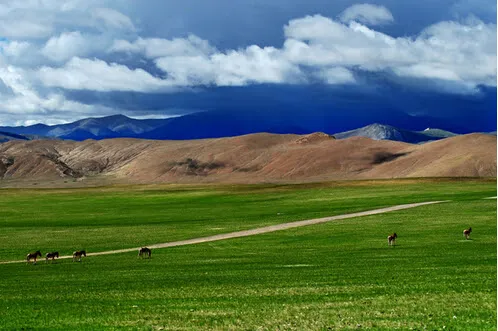
The Changtang Grassland, located in the Nagqu Prefecture of northern Tibet, is the largest high-altitude pastoral rangeland in China, covering a total area exceeding 600,000 square kilometers with an average elevation above 4,500 meters. The name “Changtang” translates from Tibetan as “Northern Plateau” or “Northern Empty Land,” aptly describing this immensely vast, sparsely populated expanse of high-altitude meadows. The grassland features extensive alpine pastures, clusters of lakes, wetlands, and desert zones, with remarkably flat, open terrain and an extraordinarily distant horizon—making it the quintessential place to experience the true meaning of boundless wilderness.
Every summer (June to September), the Changtang Grassland enters its brief golden season. The previously brown landscape rapidly transforms into a vibrant green carpet dotted with colorful wildflowers. Large herds of yaks and Tibetan sheep graze contentedly around nomadic tents, while distant snow-capped peaks frame the panorama under brilliant blue skies. The grassland is also one of China’s most important wildlife habitats, home to Tibetan antelopes (chiru), Tibetan wild asses (kiang), wild yaks, and brown bears living freely across the plateau, making it an ideal destination for nature photography and ecological observation.
↺ History
The Changtang Grassland has been the ancestral homeland of Tibetan nomadic communities since ancient times. Northern Tibetan herders have subsisted for generations on raising yaks and Tibetan sheep, developing a unique high-altitude nomadic culture. Every summer, herders conduct traditional seasonal migrations between pastures based on grassland growth conditions—a way of life that has continued for thousands of years and persists to this day. Around August each year, Nagqu hosts the grand “Changtang Qiaqing Horse Racing Festival,” the largest and most representative traditional celebration in the northern Tibetan region, combining horse racing, archery, traditional song and dance performances, and commercial trade.
In 1993, the Chinese government established the Changtang National Nature Reserve within the core area of the grassland. Covering approximately 298,000 square kilometers, it is the largest nature reserve in China and the second-largest terrestrial nature reserve in the world. The reserve strictly protects the breeding habitats of endangered species including the Tibetan antelope. In recent years, with strengthened conservation efforts, the populations of Tibetan antelopes and other wildlife species have shown significant recovery.
Recommended Tours
View All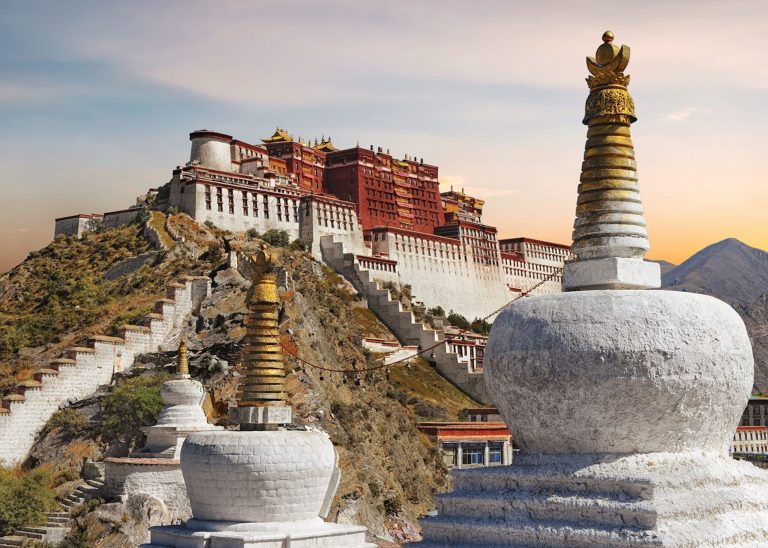
6 Days / 5 Nights ★ 4.8
6 Days Tibet Panorama Tour with Nyingchi, Everest & Namtso
3 Days / 2 Nights ★ 4.8
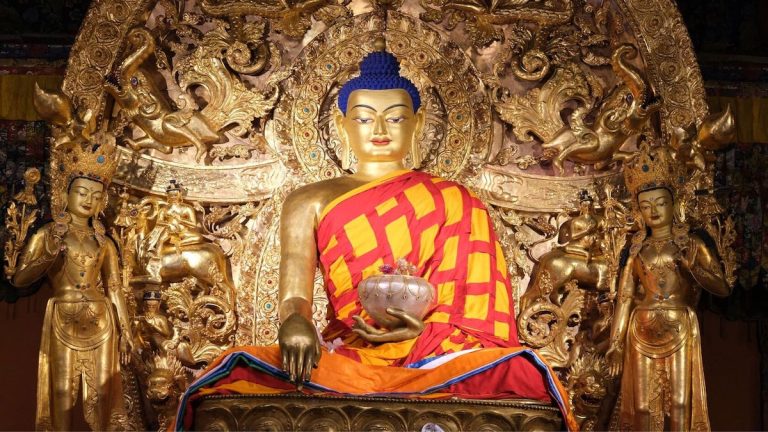
3 Days Nyingchi Grand Canyon & Basum Tso Tour
3 Days / 2 Nights ★ 4.8
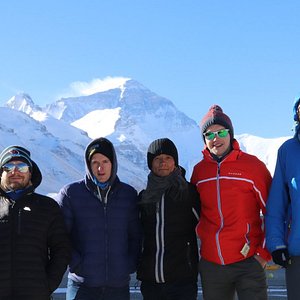
3 Days Everest Base Camp Tour from Lhasa
How To Get There
The core areas of the Changtang Grassland fall within the administrative boundaries of Nagqu Prefecture. Nagqu city is located approximately 330 kilometers north of Lhasa. From Lhasa, travelers can drive north along the G109 National Highway (the Qinghai-Tibet Highway) on fully paved roads in good condition, with the journey to Nagqu city taking approximately 4 to 5 hours. Additionally, the Qinghai-Tibet Railway connects Lhasa and Nagqu, with trains completing the journey in approximately 3 to 4 hours, offering passengers classic views of the northern Tibetan grassland scenery along the way.
From Nagqu city, roads extending in all directions lead directly into the expansive Changtang Grassland. The G317 and G109 National Highways serve as the most commonly traveled grassland sightseeing routes. The Changtang Grassland has no fixed scenic area boundaries or ticketing facilities and is entirely open natural landscape. Visitors can stop along the highway at any point and walk into the grassland to closely observe pastoral scenes and wildlife. Self-driving or chartering a vehicle offers the most flexible touring experience.
ⓘ Travel Tips
- High Altitude Acclimatization: The Changtang Grassland averages over 4,500 meters in elevation with relatively low oxygen levels. Newcomers are susceptible to altitude sickness. It is recommended to spend 2 to 3 days acclimatizing in lower-altitude locations such as Lhasa or Nyingchi before visiting. Carry altitude sickness medication and portable oxygen equipment, maintain a slow activity pace, and avoid strenuous exercise.
- Climate and Clothing: The temperature difference between day and night on the Changtang Grassland is extreme. Summer daytime temperatures may reach 15 to 20 degrees Celsius, but nighttime temperatures can plunge to near freezing. Strong winds persist year-round, making warm outerwear and windproof clothing essential even in midsummer. Sun protection gear (hat, sunglasses, sunscreen) is particularly important under the intense high-altitude UV radiation.
- Wildlife Observation: When encountering Tibetan antelopes, wild asses, or other wildlife on the grassland, please maintain a safe distance. Do not honk horns to startle them, chase them, or attempt to feed them. Using telephoto lenses to photograph from a distance is the ideal approach. Entering the core zones of the Changtang National Nature Reserve requires obtaining relevant permits in advance.
- Supply Reminder: The Changtang Grassland covers an enormous area with considerable distances between towns. Before departing, ensure your vehicle has adequate fuel and stock up on sufficient drinking water and food. Nagqu city provides basic accommodation and dining options, but supply conditions become extremely limited when venturing deep into the grassland interior.
Enjoy Visa-Free Travel To China & Tibet
China has expanded visa-free entry policies for more countries. Our team can help confirm your route, permits, and documents before departure.
Gallery