Why timing matters in Tibet
Tibet is a destination where season has a direct impact on scenery, road access, comfort, and even the style of trip you can enjoy. A spring journey is ideal for soft light and quieter monasteries, while summer brings greener valleys and a fuller festival atmosphere. Autumn is often the most balanced season for clear skies and long-distance mountain views, and winter offers a quieter, more contemplative side of Tibet with lower visitor density.
If you are planning a cultural city break in Lhasa, you have more flexibility. If your goal is a longer overland route to Yamdrok Lake, Shigatse, or Everest Base Camp, season becomes more important because road conditions, temperature swings, and visibility can change quickly.
Spring: March to May
Spring is a strong choice for travelers who want moderate temperatures and a fresh, open feel. Lhasa gradually warms up, prayer flags begin to flutter against brighter skies, and the landscapes around central Tibet start waking up after winter. This period is especially appealing for travelers who want a balanced trip with cultural visits, scenic drives, and comfortable daytime sightseeing.
- Good for first-time visitors who want a lighter crowd level.
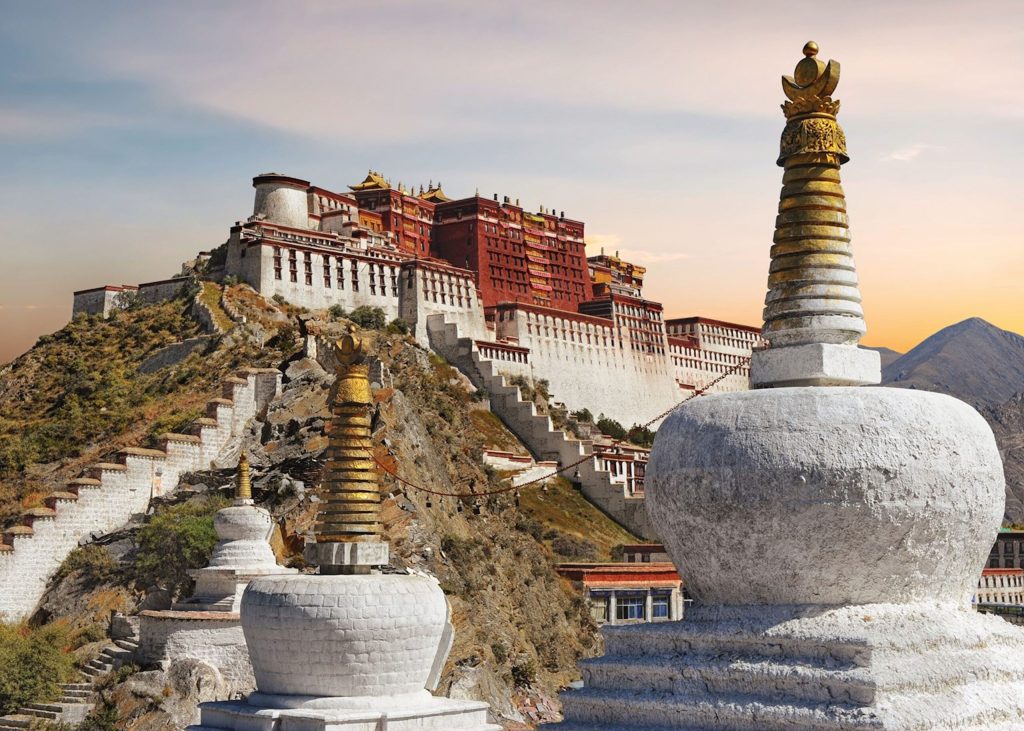
- Comfortable for Lhasa, Potala Palace, Jokhang Temple, and nearby day trips.
- Mountain scenery improves week by week as skies become clearer.
Summer: June to August
Summer is the greenest season and often the most active in terms of tourism. Rainfall in Tibet is still lighter than many other destinations in China, but afternoon showers can happen. The benefit is that valleys, grasslands, and lakes look especially vibrant. This is a popular time for travelers combining nature, local life, and wider road trips through central Tibet.
Because summer is high season, booking transport, permits, and guides early is a smart move. If your itinerary includes popular routes such as Lhasa to Gyantse, Shigatse, and Everest Base Camp, advance planning helps secure better schedules and accommodation.
Autumn: September to October
Many experienced travelers consider autumn the best overall season for Tibet. The skies are often crisp and blue, the mountain views are especially rewarding, and the weather is generally stable. It is a prime season for photography, scenic road travel, and multi-stop itineraries that include sacred lakes, monasteries, and high plateau viewpoints.
- Excellent visibility for long-range Himalayan views.
- Comfortable conditions for overland travel.
- Strong season for couples, photographers, and small-group tours.
Winter: November to February
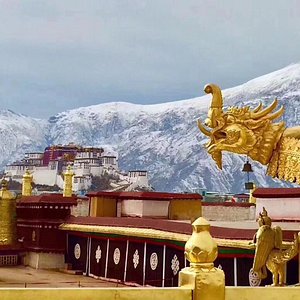
Winter surprises many visitors. While temperatures drop, Lhasa can still have bright sunshine during the day, and the city takes on a peaceful, spiritual mood. Monasteries feel more local, and the streets are less crowded with tour groups. If you are comfortable with cold mornings and evenings, winter can be one of the most memorable times to experience Tibetan culture.
Long-distance trips remain possible, but travelers should prepare for colder road conditions and larger day-to-night temperature differences.
Quick planning table
| Season | Best For | Main Advantage | Watch Out For |
|---|---|---|---|
| Spring | First-time trips | Balanced weather and fewer crowds | Cool mornings |
| Summer | Green scenery and lively travel season | Vibrant lakes and valleys | Higher demand and occasional rain |
| Autumn | Photography and long routes | Clear skies and stable views | Popular booking window |
| Winter | Culture-focused trips | Quiet temples and local atmosphere | Cold nights and early starts |
Our recommendation
If you want the easiest all-around experience, aim for April to June or September to October. If you prefer a quieter and more reflective trip, winter in Lhasa can be deeply rewarding. The best season is not only about weather; it depends on whether you want festivals, mountain views, fewer crowds, or a more spiritual pace. Choosing the right window helps every part of the Tibet experience feel smoother and more memorable.