A classic Tibet route for new travelers
The Lhasa to Everest Base Camp route is one of the most rewarding journeys on the Tibetan Plateau. It combines culture, history, religious heritage, lake views, mountain passes, and one of the world’s most iconic destinations. For first-time visitors, the key is pacing. Tibet should never be rushed, especially when your itinerary includes major altitude changes.
This 7-day outline gives you enough time to acclimatize in Lhasa before moving west through Gyantse and Shigatse toward Everest Base Camp. It is a practical format for travelers who want both headline sights and a manageable rhythm.
Day 1: Arrive in Lhasa and rest
Your first day should be intentionally light. Drink water, walk slowly, and let your body begin adjusting to the altitude. A relaxed hotel evening, a short nearby stroll, and an early sleep are far more valuable than trying to cover too much immediately.
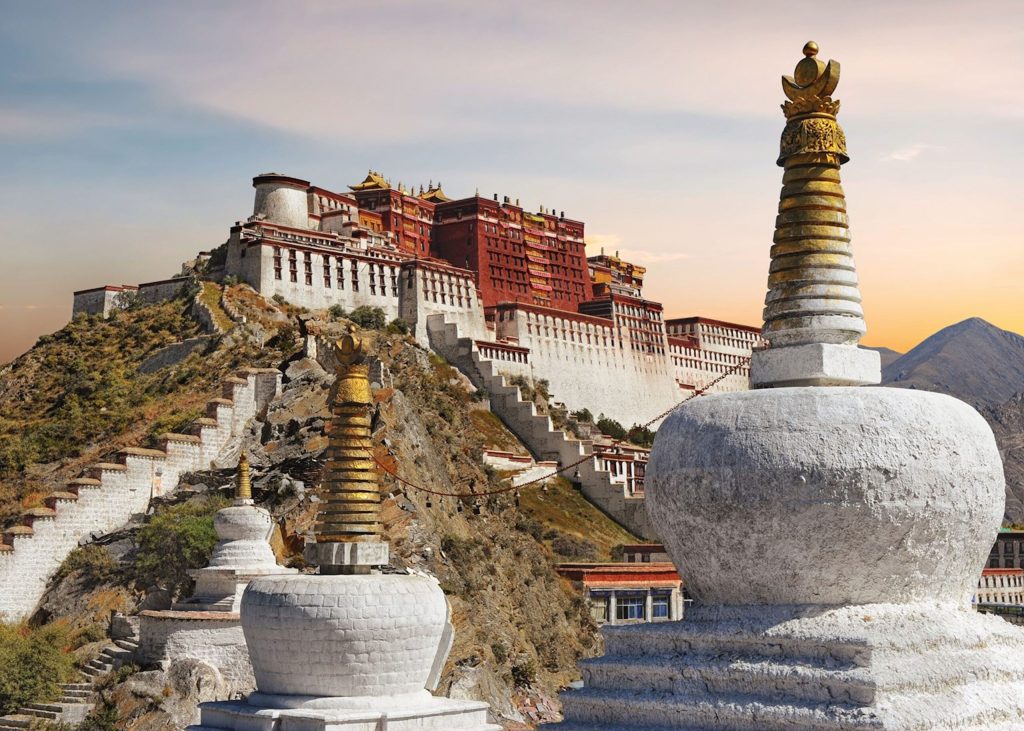
Day 2: Potala Palace and Jokhang Temple
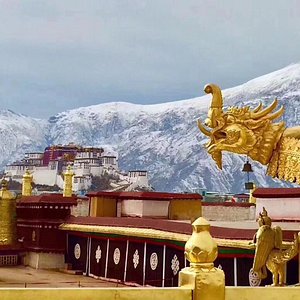
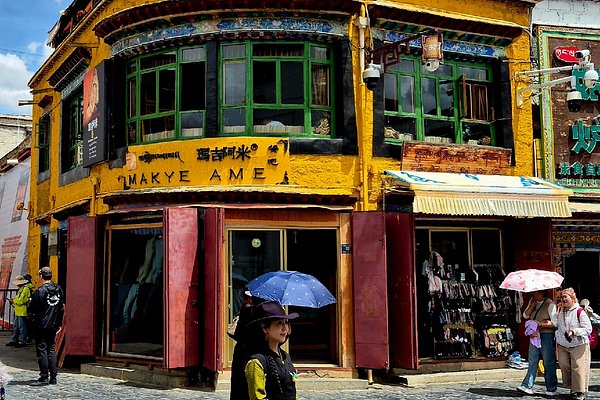
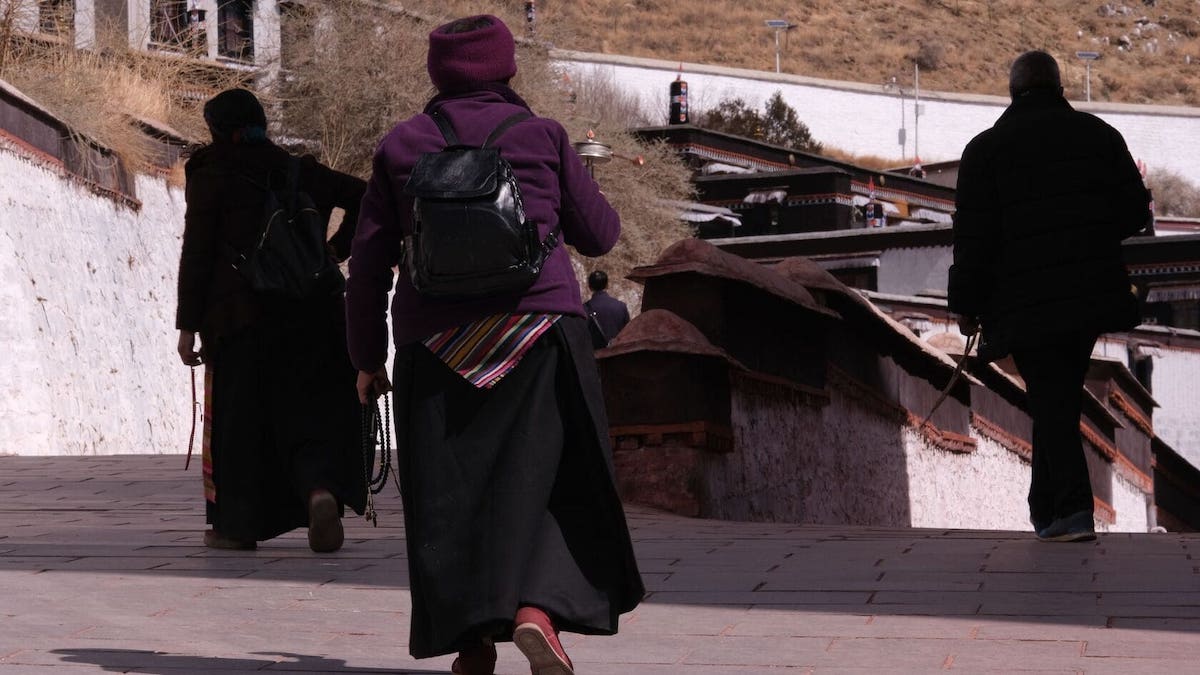
Once you feel stable, begin with the essential landmarks of Lhasa. Potala Palace introduces Tibet’s political and spiritual history, while Jokhang Temple places you inside the devotional heart of the old city. Barkhor Street is ideal for observing pilgrim life, local trade, and the layered rhythm of the city.
Day 3: Drepung or Sera Monastery
A second full day in Lhasa is worth it. Use it to deepen the cultural side of the journey before heading onto higher road routes. Monasteries such as Drepung or Sera help visitors understand monastic life, scholarship, and Tibetan Buddhism beyond the most photographed landmarks.
Day 4: Lhasa to Gyantse via Yamdrok Lake
This is often the day travelers first feel the open scale of Tibet. The road reveals turquoise water at Yamdrok Lake, broad plateau landscapes, and memorable mountain viewpoints. Gyantse adds historical texture with its fortress, monastery, and slower pace compared with Lhasa.
Day 5: Gyantse to Shigatse
The drive to Shigatse is shorter, which makes it a good transition day. Tashilhunpo Monastery is the highlight here, offering a different atmosphere from Lhasa’s religious sites. Shigatse is also an important practical stop for rest, supplies, and preparation before the final push toward Everest.
Day 6: Shigatse to Everest Base Camp
This is the big scenic day. The road climbs through dramatic terrain and high passes before the mountain panorama begins to open. Weather and visibility always shape the experience, but even the approach itself is unforgettable. Arriving near Everest Base Camp is less about long activity and more about absorbing the landscape and scale around you.
Day 7: Return with perspective
Depending on your operator and transport plan, the final day may involve returning toward Shigatse or continuing the onward route. Build in flexibility, keep expectations realistic, and allow the scenery to set the pace. On this road, the journey matters as much as the destination.
Recommended structure
| Day | Overnight | Main Focus |
|---|---|---|
| 1 | Lhasa | Arrival and acclimatization |
| 2 | Lhasa | Potala Palace, Jokhang Temple, Barkhor |
| 3 | Lhasa | Monastery visits and altitude adjustment |
| 4 | Gyantse | Yamdrok Lake and scenic drive |
| 5 | Shigatse | Tashilhunpo Monastery and rest |
| 6 | Everest area | High plateau route and Everest views |
| 7 | Transit | Return journey or onward connection |
Who this route suits best
This itinerary works well for active travelers, photographers, and first-time Tibet visitors who want a strong overview in a single journey. It balances must-see attractions with realistic acclimatization. If you want less driving, stay closer to Lhasa. If you want the iconic plateau experience, this route remains one of Tibet’s finest introductions.